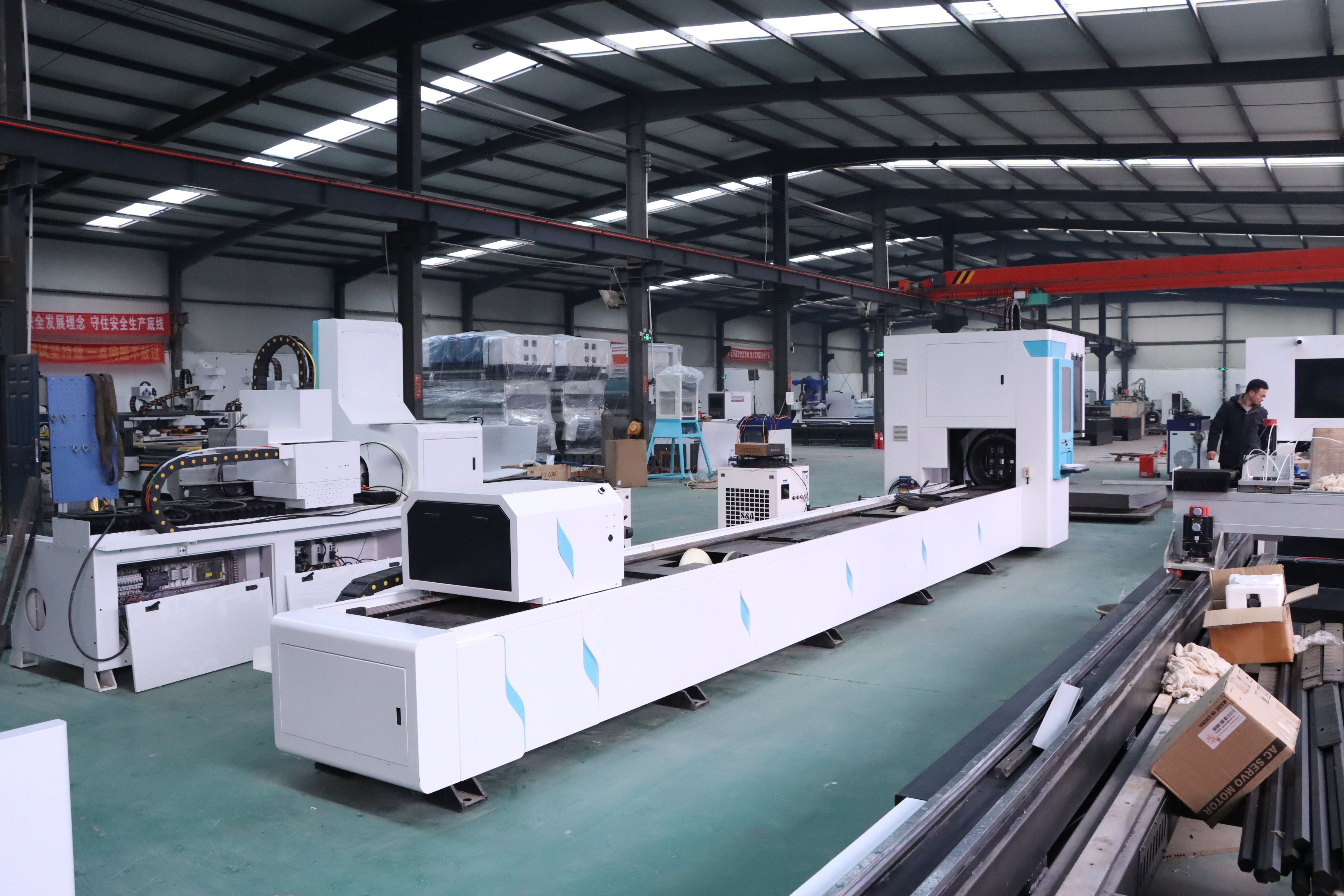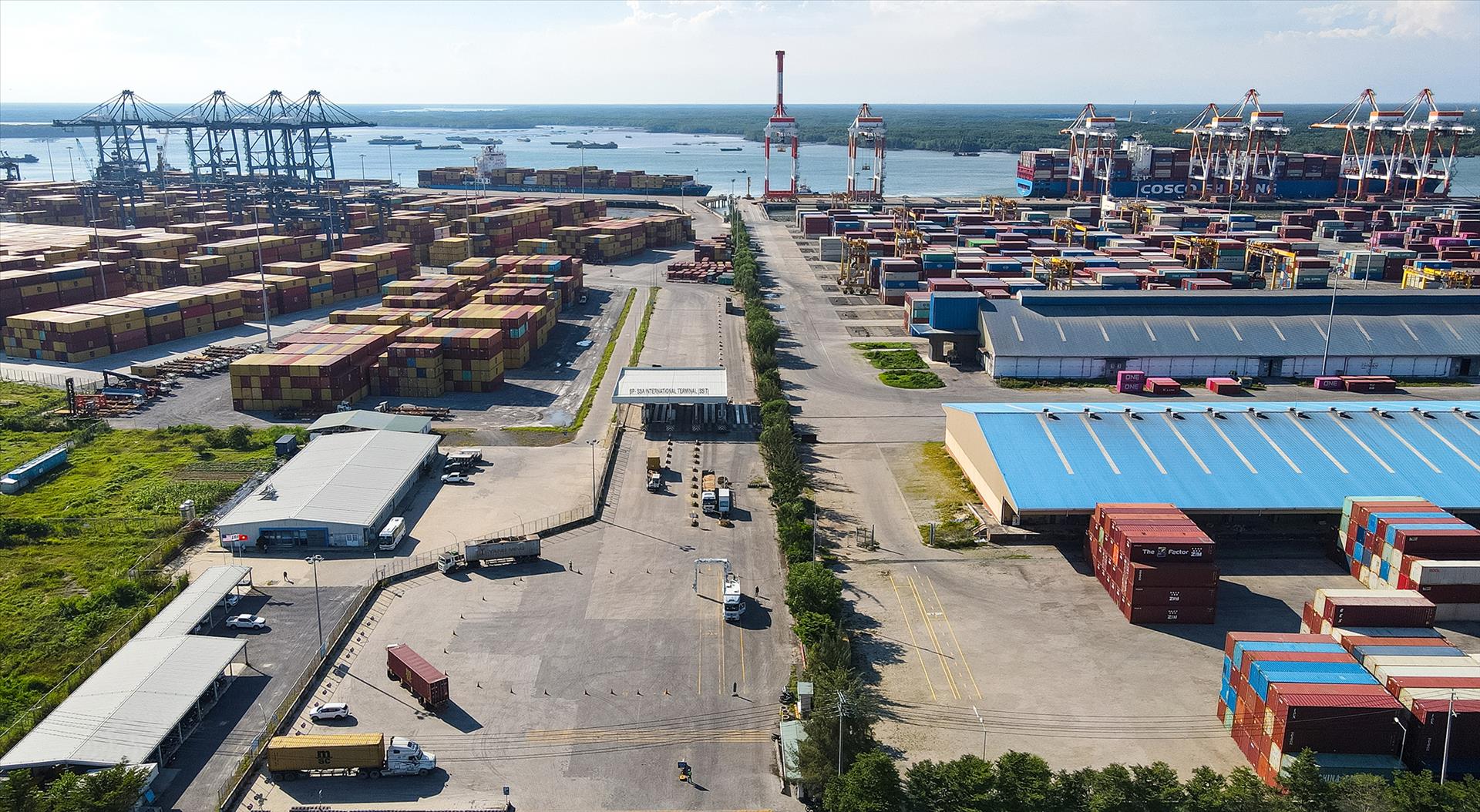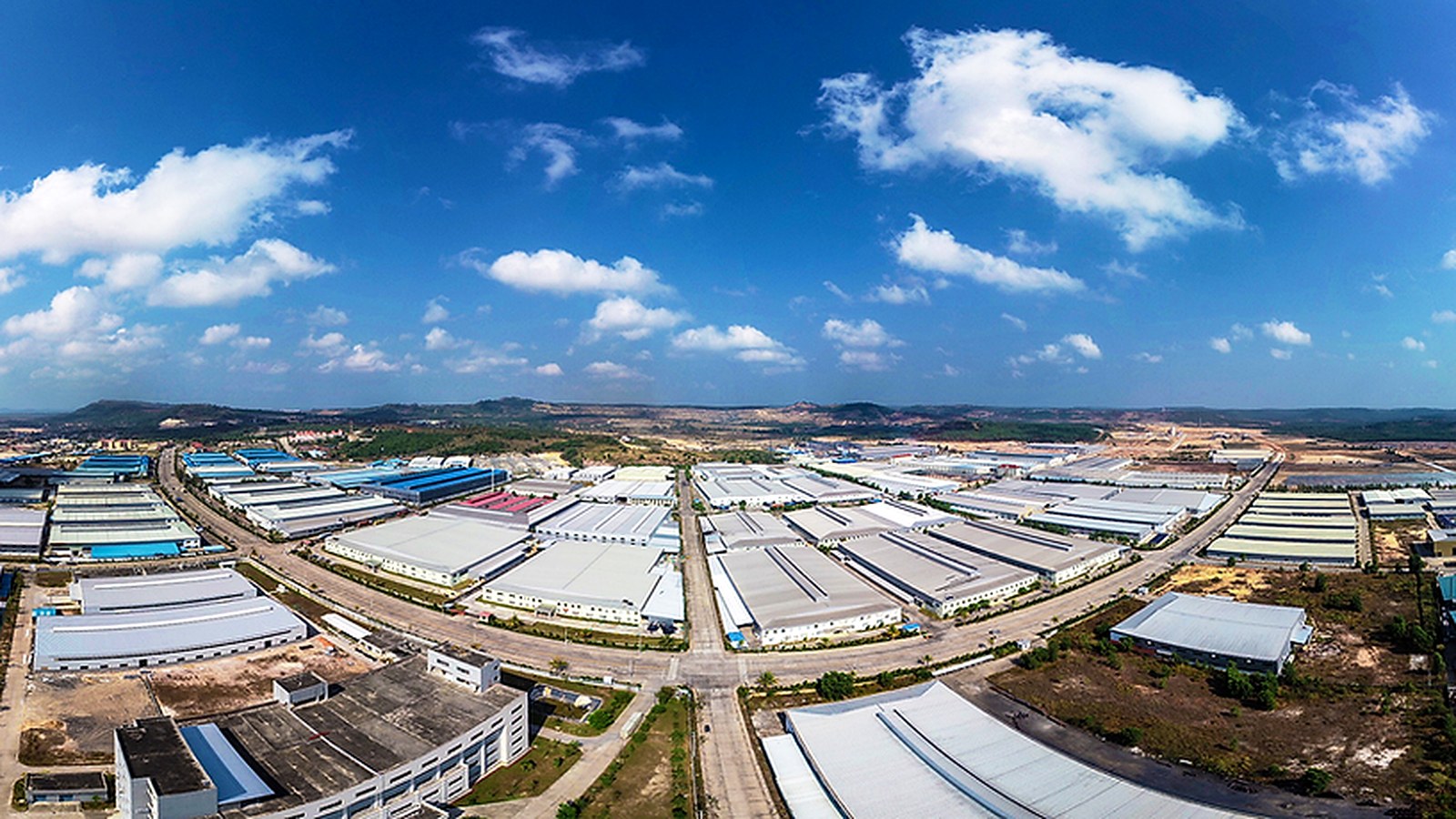
China remains the major reference for industrial production in Asia, particularly due to the density of its network of manufacturers, subcontractors, and component suppliers. This concentration allows companies to rely on a highly integrated supply chain: raw materials, components, assembly, packaging, and logistics are often available within the same province, which facilitates production, reduces lead times, and improves responsiveness.
But for companies selling to the United States, the strategy is evolving: risk diversification, changing tariffs, and the search for new production capacities are pushing importers to look more toward Southeast Asia.
In this context, Cambodia deserves to be studied.
The country does not replace China in all product categories. However, it already has a significant export industry, largely oriented toward the United States, and relies on experienced Asian industrial groups.
So, can manufacturing in Cambodia be an interesting alternative for the US market?
Why are companies looking for alternatives to China?
China retains major industrial advantages: component availability, supplier diversity, specialized subcontractors, integrated supply chain, and developed infrastructure.
For many companies, the goal is therefore not to leave China completely, but rather to diversify their sourcing to reduce dependence on a single country and better distribute risks.
For companies importing into the United States, this diversification also addresses a significant customs issue. Many product categories manufactured in China remain subject to the additional tariffs under Section 301, which are added to the normal customs duties. Producing in other Asian countries can, depending on the product and its origin, reduce the total import cost to the US market.
The right question is therefore not simply "China or Cambodia?" but rather: which country offers the best balance between price, quality, industrial capacity, logistics, and customs cost for the product in question?
An industry already heavily oriented toward the United States
Cambodia already has a significant trade relationship with the US market.
In the first nine months of 2025, the United States accounted for approximately 40% of Cambodia's merchandise exports, making it the country's leading export market.
This orientation is largely based on manufactured goods, including garments, footwear, travel goods, and furniture.
In 2024, Cambodia's garment, footwear, and travel goods sector had 1,555 companies and employed over 918,000 people. Its exports reached $13.6 billion.
For a US buyer, this means that a significant portion of Cambodian manufacturers already work with export constraints: volumes, quality control, documentation, packaging, and logistics.
Which products are interesting to source from Cambodia?
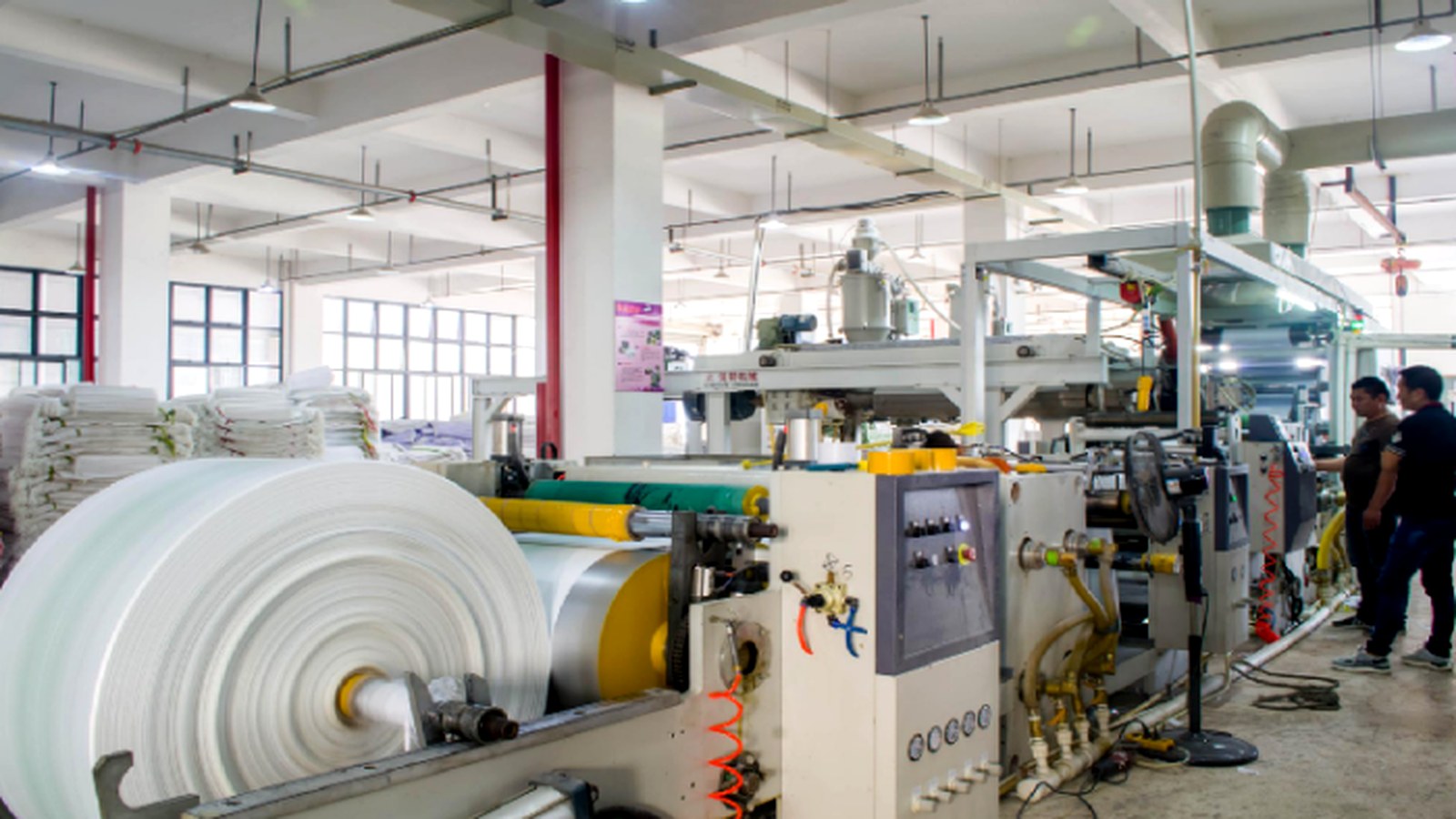
Sourcing in Cambodia is particularly relevant for products requiring a high labor content, especially for cutting, sewing, assembly, and finishing operations.
The most represented categories are:
garments;
footwear;
bags and luggage;
travel goods;
textile accessories;
furniture and decoration;
bicycles and components, etc.
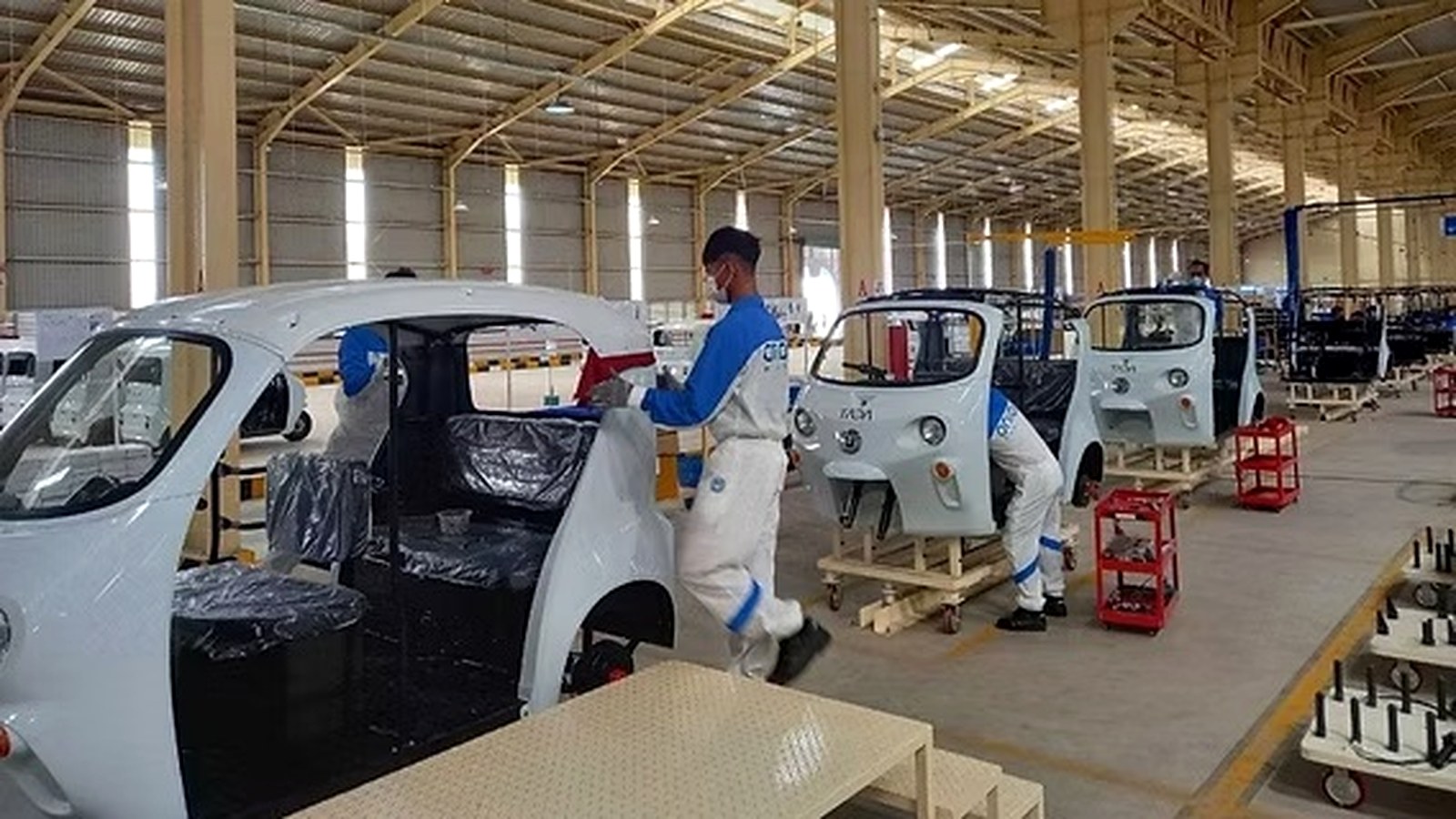
The country is also developing other productions, particularly in certain electrical products, industrial components, and means of transport.
This diversification remains more limited than that of China or Vietnam. For a complex product requiring multiple specialized suppliers, molds, technical parts, or subcontractors, the number of available options can quickly diminish.
Production costs in Cambodia
Labor cost remains one of the elements that make the country interesting for labor-intensive production.
Since January 1, 2026, the monthly minimum wage in the textile, garment, footwear, travel goods, and bag sectors is set at $210 for regular employees and $208 for probationary employees.
But wages alone are not enough to assess the competitiveness of a production.
It is also necessary to include:
raw materials + components + productivity + energy + inland transport + international freight + quality control + customs duties.
A Cambodian factory must, in most cases, import part of its fabrics, zippers, accessories, or components from China or other Asian countries.
Generally, for large production volumes, suppliers in Cambodia manage to offer prices similar to those in China, or about 5 to 10% higher.
The commercial terms negotiated with the supplier also matter. The choice of Incoterm determines the allocation of several costs, formalities, and risks between seller and buyer.
The truly useful indicator remains the total landed cost in the United States.
The real advantage: already structured Asian industrial groups
One of the most interesting aspects of Cambodia lies in the structure of its export industry.
Foreign investment has played a major role in its industrial development. Chinese and Taiwanese capital have historically held an important place. Several ILO studies show that a large portion of Cambodian export factories are owned by foreign investors, mainly from China, Taiwan, Singapore, or Malaysia.
For a buyer, this structure can represent a real advantage. Some Cambodian factories are actually production sites belonging to foreign industrial groups, notably Chinese, already established in several Asian countries. They can thus benefit from established quality procedures, structured purchasing organization, proven production methods, and an existing supplier network.
This can be an additional guarantee of seriousness, industrial control, and production consistency.
More broadly, Cambodia's export manufacturing industry remains heavily dominated by Chinese investment, while the share of locally owned factories remains relatively limited.
Manufacturing in Cambodia therefore does not necessarily mean rebuilding one's entire industrial organization.
Manufacturing in Cambodia without starting from scratch
Take the example of an American brand that orders 20,000 textile bags.
Its manufacturer already uses suppliers in China for fabric, zippers, buckles, labels, and packaging.
If the group also has a production site in Cambodia, some of these components can continue to come from existing suppliers, then be sent to Cambodia for cutting, sewing, assembly, and packaging.
The company therefore does not need to completely rebuild its supply chain or find new suppliers for each component. It can keep a large part of its existing ecosystem while relocating production to Cambodia.
However, this organization creates additional flows between several countries. Depending on volumes, the comparison between FCL and LCL becomes useful to assess the cost and organization of transport.
It is also necessary to check the customs origin of the product. Transiting a Chinese good through Cambodia is not enough to give it Cambodian origin. The transformation carried out locally must comply with the rules of origin applicable to the product.
Does manufacturing in Cambodia offer an advantage for exporting to the United States?
Cambodia can offer an advantage when a production genuinely carried out in the country allows for a more competitive overall cost than Chinese production.
But this comparison must be made product by product.
US trade policy has evolved significantly since 2025. Since July 2026, Cambodia is among the economies to which the United States applies a 10% Section 301 additional duty as part of measures related to the import of goods linked to forced labor. However, certain product categories benefit from exemptions.
To this additional duty may be added the ordinary duties corresponding to the product's HTS code.
A Cambodian origin therefore does not mean an absence of customs duties. However, depending on the products and destination markets, the applicable duties can be significantly more advantageous than for goods of Chinese origin.
This is one of the reasons why many American companies choose to manufacture in Cambodia, even when the manufacturing cost is slightly higher. The extra production cost can indeed be offset, or even exceeded, by savings on import duties.
Before any transfer, the company must verify the HTS code, the actual origin of the product, applicable duties, and the final logistics cost.
Verify the factory before transferring production
Even when a factory belongs to an experienced industrial group or a supplier you already know, it is important to verify its own capabilities. Each production site may have a different level of equipment, organization, quality, and experience. An evaluation is therefore necessary to avoid unpleasant surprises.
Infrastructure, equipment, achievable volumes, organization, quality system, and experience in the product category must match the project.
For a new supplier or a large order, a Factory Verification Audit allows direct control of the site's existence, capabilities, equipment, and organization.
The country of production matters, but the quality of the selected manufacturer remains decisive.
The limitations of Cambodia
The first obstacle remains the depth of the industrial ecosystem.
Cambodia has fewer suppliers and subcontractors than China. Its textile sector also remains dependent on imported inputs, which limits local integration of the value chain. The ILO identifies this dependence on imported inputs as one of the structural limitations of the Cambodian sector.
This can lead to more regional transport, additional delays, and dependence on several countries for a single production. Cambodia is therefore mainly interesting when there is already an ecosystem suited to the desired product and a factory capable of efficiently managing the necessary supplies.
The diversity of skills and products that can be manufactured in Cambodia also remains more limited than in other major industrial countries in Asia.
The country is particularly interesting for the categories we mentioned in this article. However, as soon as one moves outside these sectors, it can become more difficult to find truly competent factories suited to the project. Supplier research may then require more time, qualification, and verification.
Cambodia or Vietnam: which destination to choose?
Vietnam has a more diversified manufacturing base, while Cambodia remains more concentrated on a few product categories.
For a textile product or a bag requiring a lot of sewing, a Cambodian factory belonging to an experienced group can be an interesting option.
For a production involving many technical components and several specialized subcontractors, it becomes essential to concretely compare the suppliers available in each country.
The decision must therefore be based on factory capabilities, MOQs, prices, available components, quality, lead times, logistics, and customs duties.
The role of a sourcing company in Cambodia
For a company with little knowledge of the local market, exploring the Cambodian industrial fabric alone can be complex.
Some of the factories present in Cambodia are linked to foreign industrial groups, notably Chinese, Taiwanese, or from other Asian countries. In most cases, the Cambodian site mainly serves as a production base, while commercial functions, showrooms, and sales teams remain centralized in the group's country of origin.
It is therefore common for these factories to have very little information online: no dedicated website, little or no social media presence, and sometimes no directly identifiable commercial contact in Cambodia.
In this context, working with a sourcing company that knows the local ecosystem well can make a real difference. It can rely on its existing network, local contacts, and knowledge of industrial groups already established in the country to identify, contact, and qualify factories that would otherwise be difficult to find.
A search conducted solely remotely may thus cover only part of the industrial capacities actually available in Cambodia.
If you have a sourcing or production project in Cambodia and are looking for a local partner to identify and qualify the right factories, you can contact Diex International.
Cambodia: a targeted alternative to China
Cambodia should not be considered an alternative capable of replacing China in all sectors.
Its interest is more targeted: the country has an industry already heavily oriented toward export, particularly to the United States, solid expertise in productions requiring a lot of labor, as well as a significant presence of experienced Asian industrial groups.
For an American company, the challenge is therefore to identify the product categories for which production in Cambodia brings a real advantage, whether in terms of overall cost, customs duties, industrial organization, or supply chain diversification.
Before launching a project, Diex International can carry out a sourcing pre-study to compare manufacturing possibilities in Cambodia, China, or Vietnam according to the product, volumes, price objectives, and destination market.
Frequently asked questions
Which products are most suitable for production in Cambodia?
Cambodia is particularly developed in the sectors of garments, footwear, bags, luggage, travel goods, and furniture.
Other types of production are also present in the country, but the availability of manufacturers, skills, and necessary components must be verified on a case-by-case basis for each project.
Does manufacturing in Cambodia reduce US customs duties?
Not automatically. Customs duties depend on the HTS code, the actual origin of the product, and current US measures. Overall, however, they are significantly lower for products of Cambodian origin than for products of Chinese origin, which can represent a significant advantage in terms of total import cost.
Cambodia or Vietnam: which country to choose for sourcing?
Vietnam has a broader and more diversified industrial base than Cambodia. The choice between the two countries therefore depends primarily on the type of product, available industrial skills, factories capable of meeting the specifications, and the total cost of the project.
It is particularly important to take into account the customs duties applicable in the destination country, as they can significantly modify the economic interest of production in Cambodia or Vietnam.