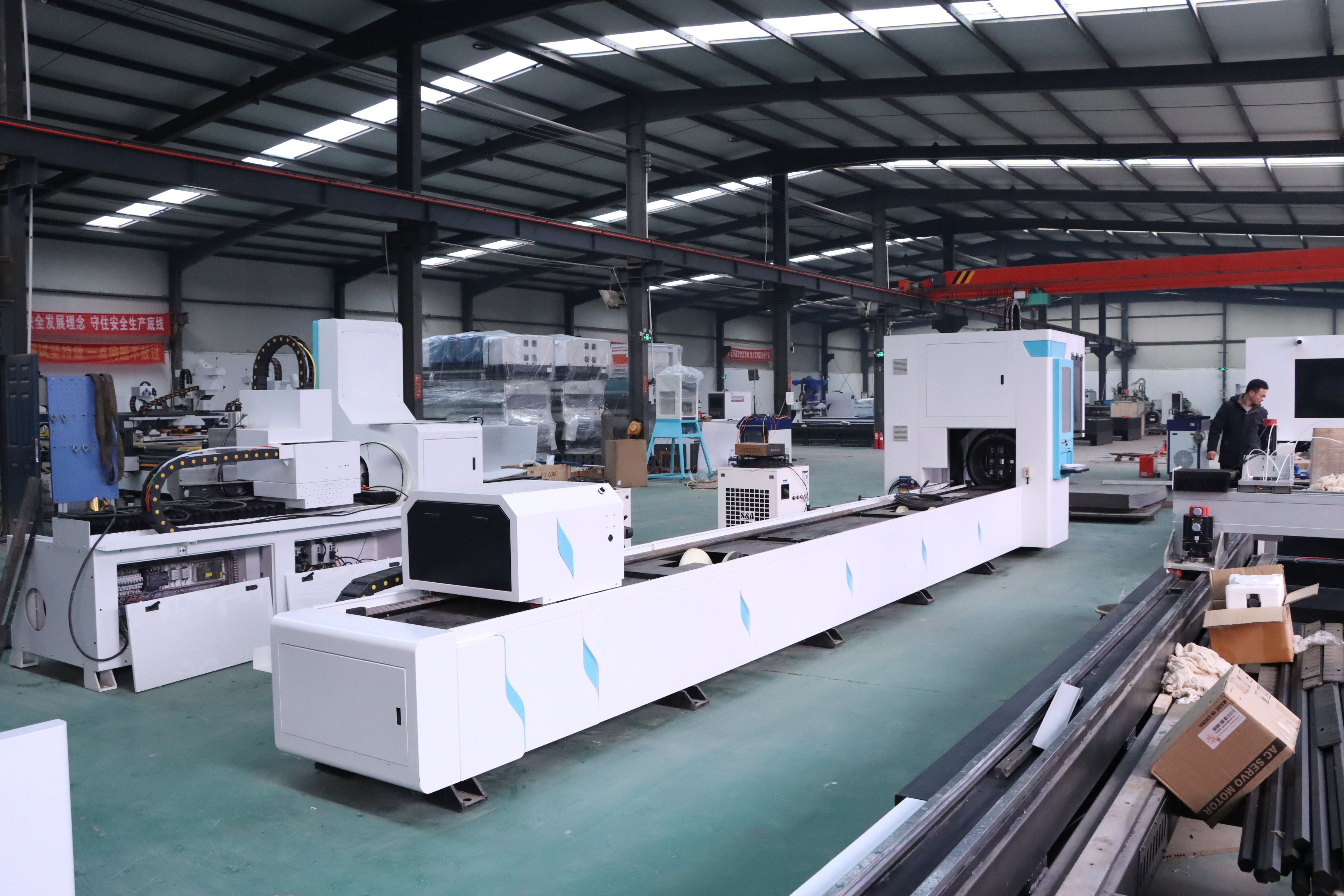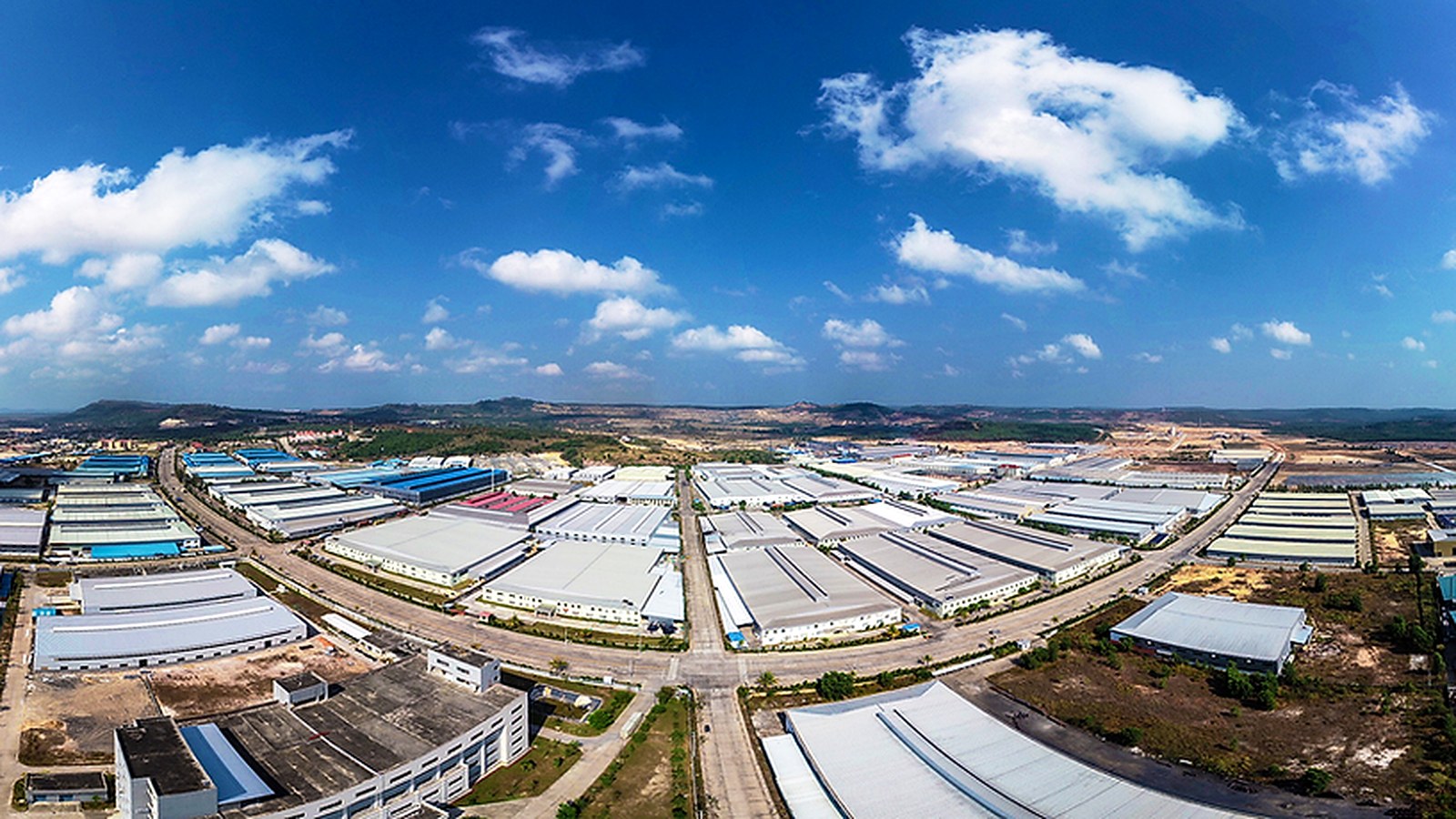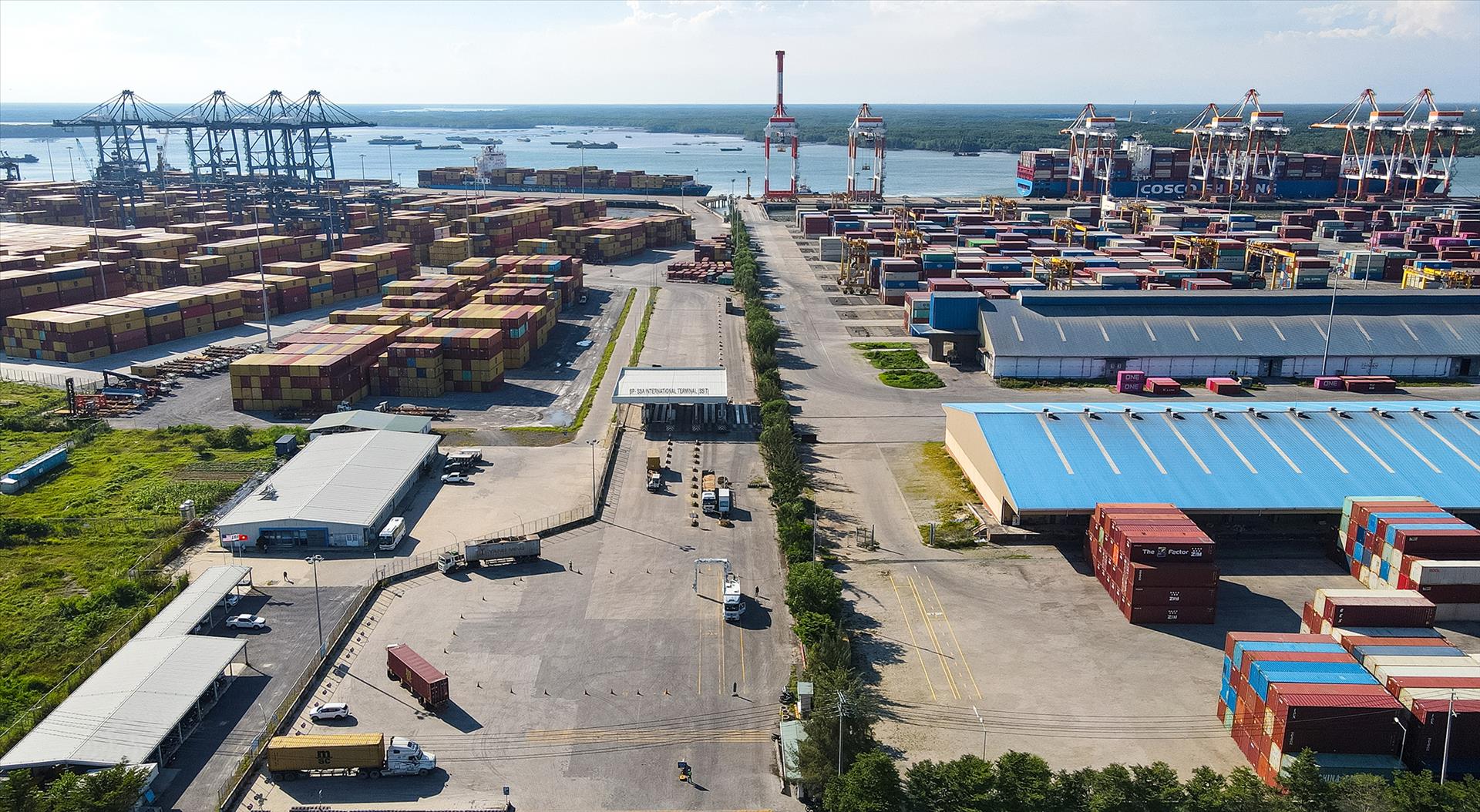
Vietnam has established itself as one of Asia's leading manufacturing hubs. Textiles, footwear, furniture, electronics, industrial equipment: the country now has several sectors capable of producing on a large scale for international markets.
In 2025, Vietnamese exports reached 475.04 billion USD, up 17% year-on-year. Products from the manufacturing and processing industry accounted for 421.47 billion USD, or 88.7% of the country's exports.
However, Vietnam is not equally specialized in all product categories. For a company considering sourcing in Vietnam, it is therefore important to know the most structured industries, as well as the regions where they are located.
1. Electronics and Components
Electronics is now one of Vietnam's main exporting industries.
In 2025, exports of computers, electronic products, and components reached approximately 107.7 billion USD, or 22.7% of Vietnamese exports. They grew by 48.4% compared to 2024. Phones and components accounted for an additional 56.7 billion USD.
The sector is strongly supported by foreign investment and the establishment of major international industrial groups.
For a buyer, sourcing in Vietnam can be considered for electronic components, assemblies, cables, electrical equipment, or certain categories of finished electronic products.
This industry is particularly present in the North, around Hanoi, Bắc Ninh, and Hải Phòng.
2. Machinery and Industrial Equipment
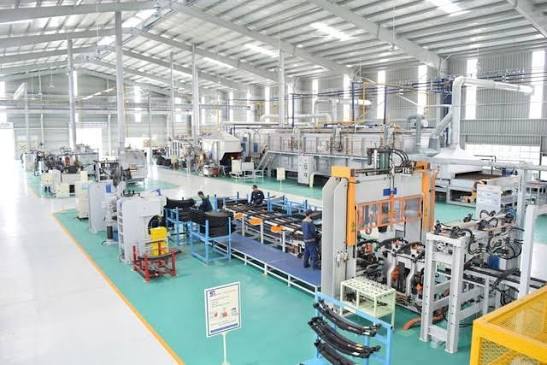
Vietnam no longer produces only consumer goods but also capital goods for industry.
Exports of machinery, equipment, tools, and spare parts reached approximately 59 billion USD in 2025, up 13.2% year-on-year.
This development reflects the growth of a broader industrial fabric: mechanical engineering, metal components, technical parts, electrical equipment, and industrial subcontracting.
For a sourcing project, however, this sector requires precise technical qualification of manufacturers: available equipment, tolerances, materials, production processes, and control capabilities must be studied before selecting a factory.
A Factory Verification Audit can notably help verify the actual capabilities of the production site before a first major order.
3. Textiles and Apparel
Textiles and apparel remain among Vietnam's historic industries.
In 2025, Vietnamese exports of clothing and textile products reached approximately 39.6 billion USD, up 7% compared to 2024.
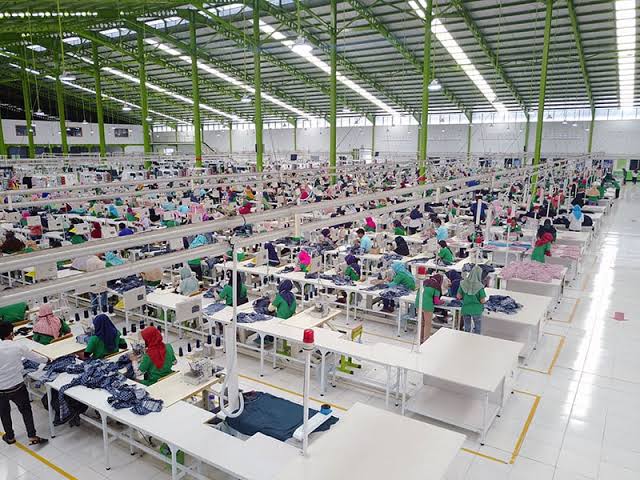
The country has a large network of factories specializing in garment manufacturing, sportswear, uniforms, technical clothing, and various sewn products.
However, a distinction must be made between garment manufacturing and raw material production. Some of the fabrics and other inputs used by Vietnamese factories are imported.
This distinction is important when a project requires a specific material, a custom-developed color, or a fully traceable supply chain.
4. Footwear
The production of footwear is another major specialization.
Vietnamese exports amounted to approximately 24.2 billion USD in 2025, up 5.8%.
The sector covers sports shoes, casual shoes, sandals, and various associated components.
It benefits from developed expertise in stitching, assembly, synthetic materials, and textile work.
For brands wishing to develop their own models, however, capabilities vary greatly between manufacturers. It is particularly important to compare MOQs, development possibilities, required molds and tooling, offered materials, and quality control processes.
5. Furniture and Wood Products
Vietnam also has a significant wood and furniture industry. Indeed, it is a heavily forested country, with a forest cover rate of 42%.
In 2025, exports of wood and wood products reached approximately 17.2 billion USD, up 5.7%.
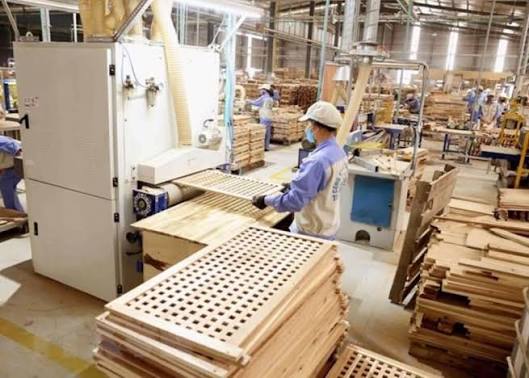
The country manufactures indoor and outdoor furniture, tables, chairs, storage furniture, hospitality products, and various wooden decorative items.
The sector is particularly present in the south of the country and around several industrial basins historically associated with Ho Chi Minh City, Đồng Nai, and Bình Dương.
For these products, the choice of manufacturer must take into account the type of wood, desired treatments, finishing, product design, and regulatory requirements of the destination market.
6. Bags, Luggage, and Sewn Products
The presence of a significant textile and footwear industry has also fostered the development of the luggage and sewn products industry.
Backpacks, travel bags, sports bags, pouches, textile accessories, and many other items made of fabric and/or synthetic materials can be manufactured in Vietnam.
As an order of magnitude, Vietnamese customs statistics already recorded 1.86 billion USD in exports of bags, suitcases, similar articles, headgear, and umbrellas in the first seven months of 2025.
This sector can be interesting for brands seeking customized products combining textiles, linings, zippers, straps, embroidery, or prints.
7. Automotive, Vehicles, and Parts
Vietnamese industry is also developing its capabilities in vehicles and automotive components.
In 2025, exports of vehicles and associated parts represented approximately 17.5 billion USD, up 15%.
For foreign buyers, interesting products to target include certain mechanical components, metal parts, wiring, electrical elements, and subcontracting activities.
8. Plastics and Molded Products
Vietnam also has many factories working with plastic materials.
This expertise covers very diverse applications in consumer products, industrial components, packaging, injected parts, and technical parts.
For a project involving plastic injection, it is important to determine whether the factory actually owns its own machines and molds or whether certain operations are outsourced.
The product price alone is therefore not enough: mastery of tooling and the industrial process must also be verified.
9. Toys, Sports Goods, and Consumer Products
Toys and sports goods represent another developing category.
This industry benefits from skills from several well-developed sectors in Vietnam: textiles, plastics, rubber, sewing, assembly, and components.
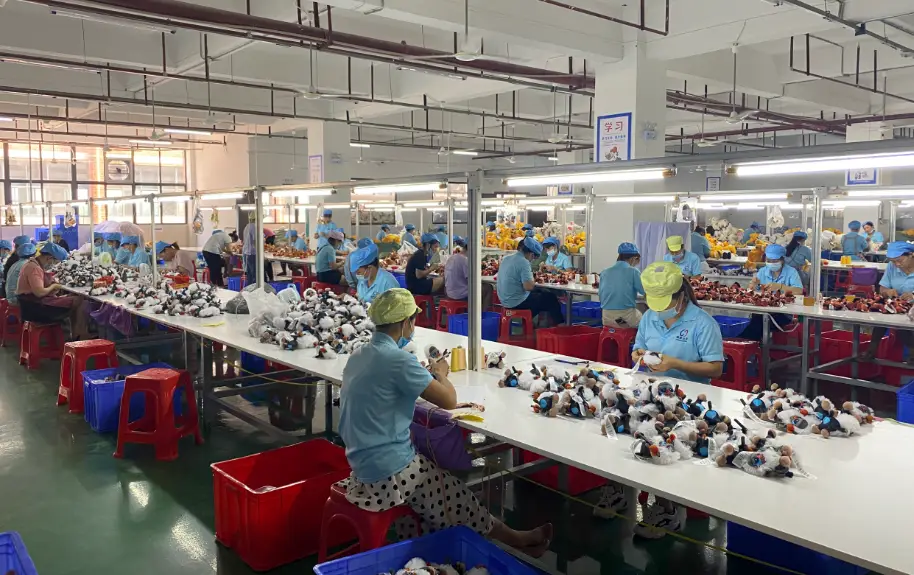
It can thus cover fabric toys, sports equipment, accessories, and products combining multiple materials.
For a product intended for the final consumer, the standards applicable to the destination market must be defined from the specification stage. For France, CE standards are particularly strict for these types of products.
10. Agri-Food and Seafood Processing
Finally, Vietnam has a significant agri-food processing industry, particularly for seafood. This is due to the importance of the fishing sector in the country, which has 3,200 km of coastline.
Seafood exports reached approximately 11.3 billion USD in 2025, up 12.4%.
The country also has important sectors in coffee, fruits, cashew nuts, rice, and various processed agricultural products.
For these categories, sourcing requires particular attention to traceability, certifications, processing conditions, and food regulations of the importing country.
Which Regions of Vietnam Produce What?
The location of manufacturers is a genuine sourcing criterion.
North: Electronics and Technical Industry
The North of Vietnam, around Hanoi, Bắc Ninh, Hải Phòng, and neighboring industrial zones, concentrates a significant share of investment in electronics, components, electrical equipment, and various technical industries.
Bắc Ninh, for example, had more than 2,000 cumulative industrial FDI projects in its industrial zones by the end of 2025, illustrating the importance of the Northern manufacturing basin.
Proximity to China also facilitates certain flows of components and raw materials.
Central: Textiles, Wood, and Light Industry
The Central region has a more dispersed industrial fabric.
It includes textiles, apparel, footwear, wood, agri-food, as well as certain mechanical and electronic industries.
Around Đà Nẵng and neighboring territories, authorities identify textiles, footwear, wood, and automotive components among the main exported productions.
South: Textiles, Footwear, Furniture, and Diversified Industry
The South, around the large industrial basin of Ho Chi Minh City and Đồng Nai, has a particularly diversified industry.
It includes furniture, textiles, footwear, plastics, mechanical engineering, consumer products, and now more electronics.
The industrial zones of Đồng Nai, for example, group activities in electronics, mechanical engineering, textiles, footwear, and wood.
Following the 2025 administrative reform, the former industrial province of Bình Dương is now integrated into Ho Chi Minh City. The name is nevertheless still commonly used to identify this historic industrial basin.
Manufacturing in Vietnam or China?
The question is not necessarily to choose Vietnam instead of China.
The two countries have different industrial structures.
China has an extremely broad manufacturing ecosystem with numerous supply chains, specialized manufacturers, and large networks of subcontractors. To discover this diversity, our article on the main trade fairs in China presents several specialized exhibitions by sector.
Vietnam is particularly interesting in already highly structured sectors such as electronics, textiles, footwear, furniture, and sewn products.
But the supply chains of both countries remain linked. In 2025, China was the leading supplier to Vietnam with 186 billion USD in Vietnamese imports, notably for raw materials, components, and equipment intended for production.
A relevant strategy may therefore consist of comparing the two countries product by product rather than automatically shifting production from one to the other.
It is necessary to analyze price, MOQs, technical capabilities, available materials, lead times, quality, level of customization, and logistics.
Transport conditions must also be integrated into the calculation. Our articles dedicated to Incoterms and the choice between FCL and LCL allow for further exploration of these aspects.
Is Vietnam Suitable for Your Product?
Vietnam now has a genuine industrial ecosystem, but not all product categories benefit from the same level of maturity.
Before choosing a production country, it is therefore necessary to start by analyzing the product: materials, manufacturing process, volumes, MOQs, level of customization, quality requirements, and destination market.
Diex International supports companies in their sourcing in Asia, particularly in Vietnam and China, to identify suitable manufacturers and compare available solutions according to project needs.
Do you have a product to manufacture in Vietnam? A pre-sourcing study provides an initial overview of production possibilities, suppliers, prices, MOQs, and lead times before engaging in a more in-depth search.
Frequently Asked Questions
What are the main products manufactured in Vietnam?
Vietnam has strong industries in electronics, textiles, apparel, footwear, furniture, wood, machinery, sewn products, and certain consumer goods.
Which region of Vietnam should I choose to find a manufacturer?
It depends on the product. The North is particularly developed in electronics and technical industry, while the South has a very diversified fabric including textiles, footwear, furniture, plastics, and mechanical engineering. The Central region also has hubs in textiles, wood, and light industry.
Can Vietnam replace China for sourcing?
Not systematically. Vietnam is very competitive in several industrial sectors, but China has a broader supplier ecosystem in many categories. The choice must be made product by product by comparing capabilities, costs, MOQs, materials, quality, and logistics.