When a company has products manufactured thousands of miles away, approving a sample before ordering is not enough to guarantee that the entire production will be compliant.
A different raw material, an incorrect color, dimensions out of tolerance, an assembly defect or unsuitable packaging can impact manufacturing, and in some cases make the entire production batch unsellable.
Quality control allows you to verify the condition and quality of goods at different stages of production. Depending on the product, volumes and level of risk, several inspections can be organized: PPI, DPI, FRI or CLI.
Each control serves a different purpose. The challenge is therefore not to systematically multiply inspections, but to position them at the stages where they can truly prevent or identify a problem.
Why control production directly at the factory?
A quality control consists of comparing actual production with the requirements defined before manufacturing: specifications, approved sample, dimensions, materials, colors, markings, packaging or functional tests.
This verification helps identify discrepancies before the goods are shipped.
The control must therefore be prepared in advance. The more precise the expected criteria, the more objectively the inspector can verify product conformity.
Do not confuse product inspection with factory audit. An audit mainly aims to evaluate the supplier, its capabilities, equipment and organization. A quality inspection focuses on a specific production or order.
To understand this difference, see our article on the Factory Verification Audit.
1. PPI: Pre-Production Inspection, the control before production
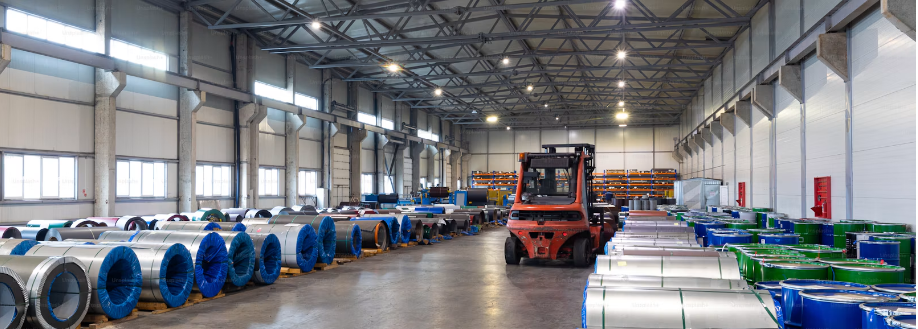
The PPI – Pre-Production Inspection takes place before manufacturing starts or at the very beginning of the industrial process.
Its objective is to verify that the factory has the right elements to start production under the planned conditions.
What does a PPI verify?
Depending on the product, the control may cover:
raw materials;
components;
colors and references;
planned dimensions and their tolerances;
accessories;
labels and markings;
packaging and conditioning elements;
preparation of production lines;
compliance with the specifications or the approved sample.
The main benefit is to identify an error before it is reproduced across the entire series.
An incorrect material used on a few pieces at the start of production is generally easier to correct than the same problem discovered after manufacturing thousands of units.
When is it useful?
PPI is particularly relevant for a new product, a first collaboration with a factory, custom manufacturing or a product using specific materials and components.
It can also be interesting when the buyer wants to verify that the elements approved during product development are indeed those that will be used for mass production.
2. DPI or DUPRO: control during production
The DPI – During Production Inspection, also called DUPRO – During Production Inspection, takes place when manufacturing is already underway.
At this stage, part of the order is sufficiently advanced to examine representative products, while there is still time to correct certain problems before the end of production.
What can a DPI verify?
The inspection may cover:
the quality of the first manufactured units;
dimensions and tolerances;
assembly;
colors and finishes;
markings;
product functionality;
recurring defects;
order progress;
quantities produced;
packaging when already available.
The main advantage of this inspection is its ability to detect a problem while it is still possible to act on production.
For example, if an assembly defect appears regularly, the factory can adapt its process to correct the defective parts and prevent the defect from affecting the rest of the production.
When to prioritize a during-production control?
DPI is particularly interesting for large productions, high-value orders, custom products or items involving several manufacturing steps.
It can also be implemented when a supplier works on a product for the first time or when a quality problem has already been observed in a previous order.
For complex production, quality control can thus be integrated into a more global production follow-up, from supplier selection to shipping.
3. FRI: Final Random Inspection, the control at the end of production
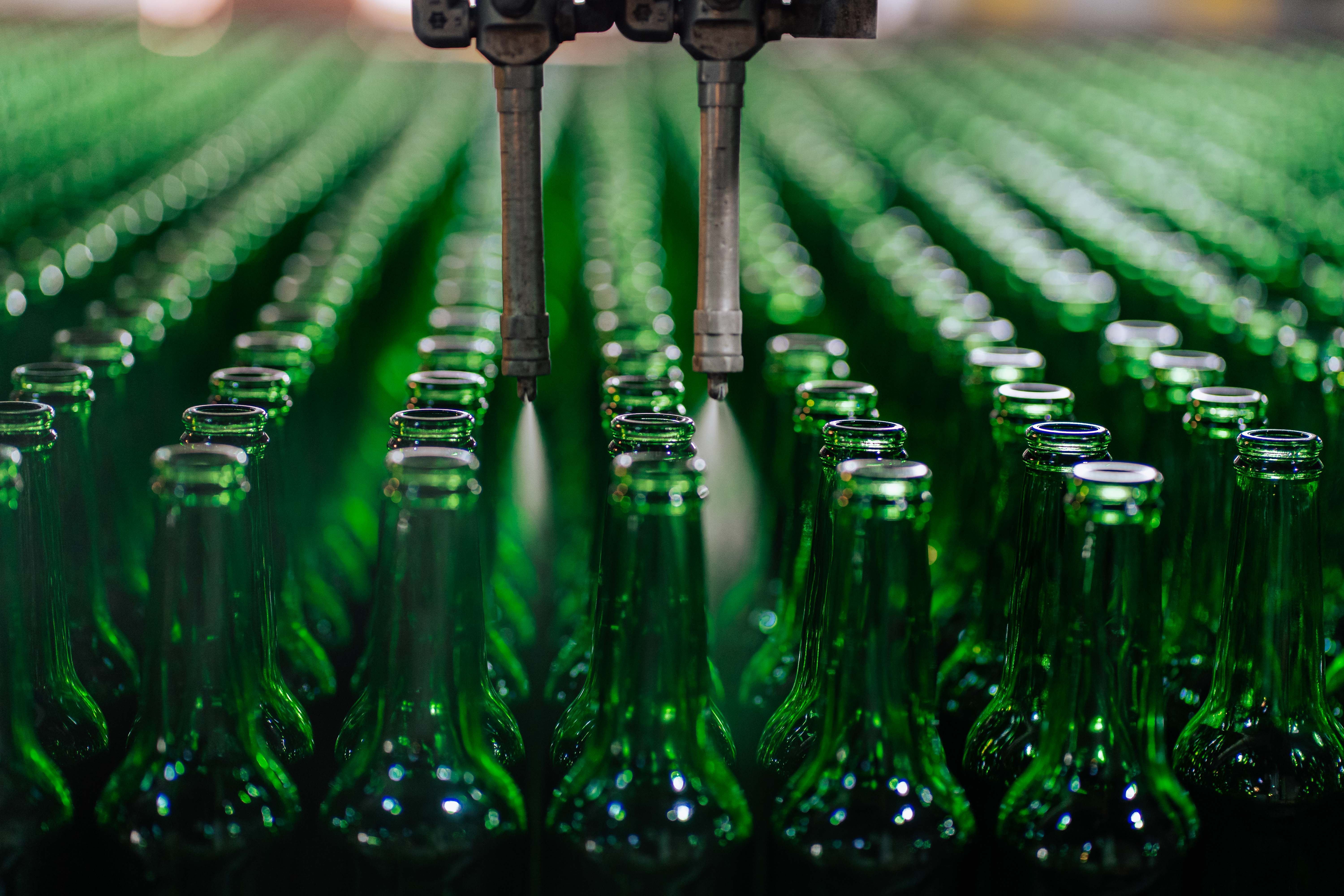
The FRI – Final Random Inspection corresponds to the final inspection of a production. The term PSI – Pre-Shipment Inspection is also commonly used in the industry to designate a control carried out before shipment.
It takes place when production is finished or sufficiently advanced to allow a representative sample of the order to be checked before departure.
This is one of the most important steps in the control process.
What does a final inspection verify?
Depending on the specifications, the inspector can check:
the general appearance of the products;
dimensions and tolerances;
materials;
colors;
finishes;
functionalities;
visible defects;
quantities;
logos and markings;
labels;
individual packaging;
export cartons;
references and information on the packaging.
Product-specific tests (performed at the factory or by an external laboratory) can also be included in the inspection checklist.
The inspection then provides concrete elements to decide whether the goods can be shipped, whether corrections must be requested and/or whether a new control is necessary.

Why Diex International recommends at least a final inspection
For international production, Diex International recommends at least performing an inspection at the end of production before shipment.
This step allows the goods to be checked before they leave the factory. Once the products are loaded, transported and delivered in Europe, dealing with a quality problem becomes much more complex and costly; indeed it is generally impossible to return the products to the factory, and often difficult to have non-conformities corrected in France.
The final inspection is therefore an essential level of control, but it should not be considered the only possible solution.
For large, technical or sensitive production, it may be preferable to intervene earlier so as not to discover a major defect when the entire order is already manufactured.
Quality control actually starts well before the final inspection: it also depends on the choice of manufacturer. Our article on the reliability of a Chinese factory before ordering details the useful verifications before committing.
4. CLI: Container Loading Inspection, the loading control
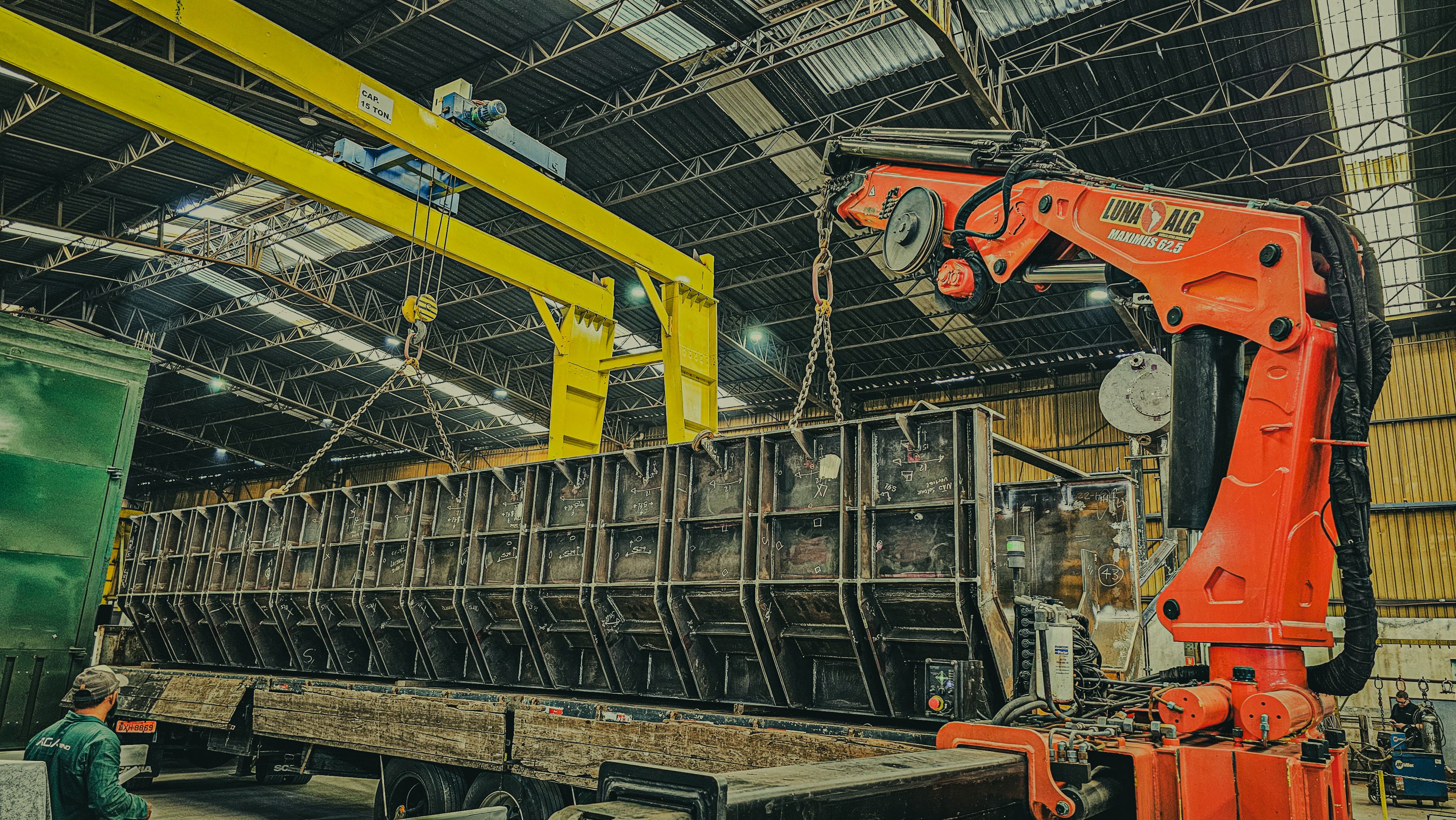
The CLI – Container Loading Inspection, also called CLC – Container Loading Check, takes place when the goods are loaded into the container.
Here, the objective is no longer only to control the product, but to verify that the goods are loaded under good conditions.
What does a loading control verify?
Depending on the defined mission, the inspection may cover:
the references of the goods;
the number of cartons or units;
the apparent condition of the cartons;
the marking of packages;
the general condition of the container;
the organization of the loading;
the proper use of space;
the closing and sealing of the container.
This control provides additional traceability between the factory exit and the departure of the goods.
When is it particularly useful?
CLI can be relevant for large volumes, full container loads, fragile products or orders composed of many references.
It can also be useful when the loading itself represents a risk: fragile cartons, bulky products, specific stacking or the need to precisely verify shipped quantities.
The way goods are loaded must be consistent with the decisions made regarding their mode of transport. To delve deeper into this subject, see our article on the differences between full container FCL and less than container LCL.
Which quality control to choose?
There is no identical control plan for all orders.
For relatively simple production with an already known supplier, a final inspection FRI can constitute the main control before shipment.
Conversely, a large series or a product with significant technical constraints may require several steps:
PPI → DPI → FRI → CLI
Each inspection then takes place at a different time and addresses a specific risk.
A custom product may for example require a verification of materials before production, a control of the first series during manufacturing and then a final inspection before shipment.
The level of control must therefore be proportionate to the product risk, volume, order value, manufacturing complexity and supplier history.
Quality control is part of a global sourcing approach
Controlling goods just before departure is important, but quality is not built only at the last moment.
It also depends on precise specifications, the choice of a supplier truly capable of producing the expected product, a correctly approved sample and rigorous follow-up during manufacturing.
This is why quality control is part of a broader approach to securing international sourcing.
Diex International supports companies in their sourcing projects and also offers quality control and audit services directly on the ground. These services can be used as part of a complete sourcing support or to control a production with an already identified supplier.
Conclusion: control at the right time rather than discovering defects upon arrival
A quality inspection does not guarantee that no defect will ever appear. Its role is to provide the most reliable and complete vision of the produced goods and to identify discrepancies before the goods arrive at the importer.
PPI before production, DPI during manufacturing, FRI before shipment and CLI at loading meet complementary objectives.
For fairly simple production and a limited order amount, Diex International recommends at least a final inspection before shipment. For large orders, sensitive products or complex manufacturing, several controls are recommended to identify problems early enough and control risks as much as possible.
Do you want to set up quality control on a production?
Diex International can intervene directly with your supplier to define control points, perform the inspection and provide you with a report to assess production conformity.
If your project is still in the supplier search phase, you can also request a sourcing pre-study to evaluate the first available options before committing to production.
Frequently asked questions
What is the difference between a DPI and a FRI?
DPI takes place during manufacturing to identify problems early enough to allow corrections. FRI takes place at the end of production, before shipment, to control the conformity of the finished order.
Is a final inspection sufficient for all productions?
No. Diex International recommends at least a final inspection, but a large, complex, custom or sensitive production may require a control before production and/or during manufacturing to detect problems earlier.
What is the difference between a factory audit and a quality control?
The factory audit mainly evaluates the supplier, its organization and production capabilities. The quality control verifies a specific order or production against the requirements defined by the buyer.