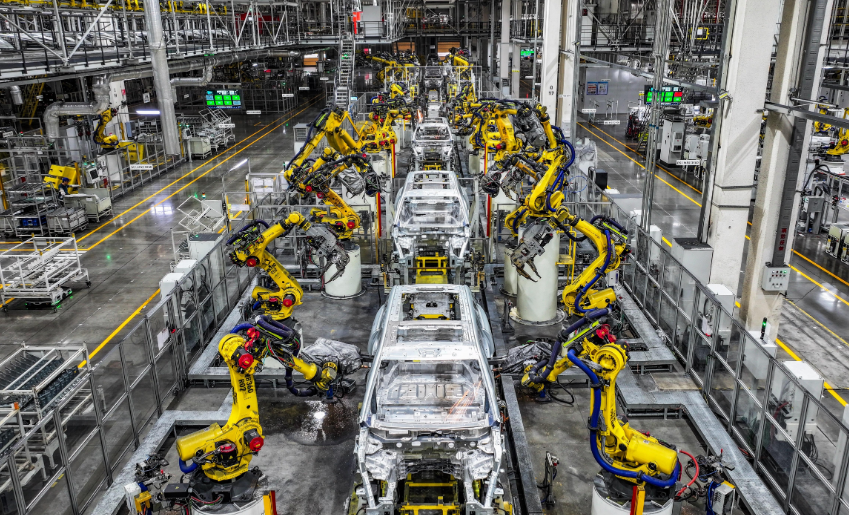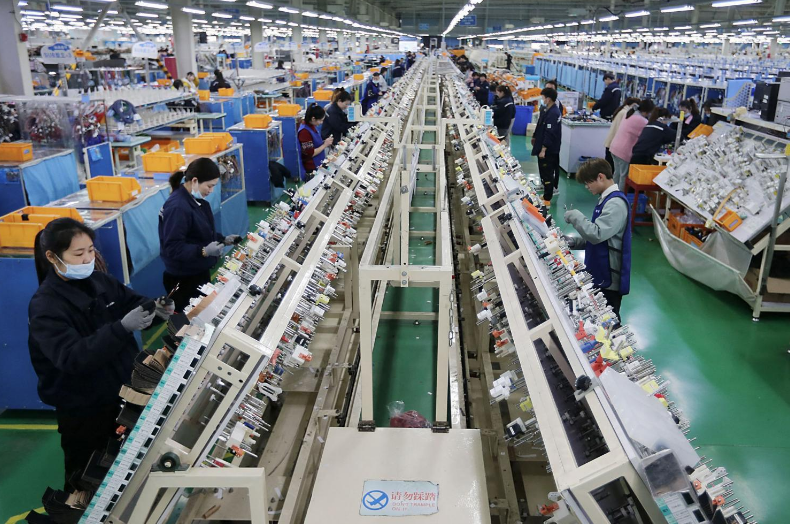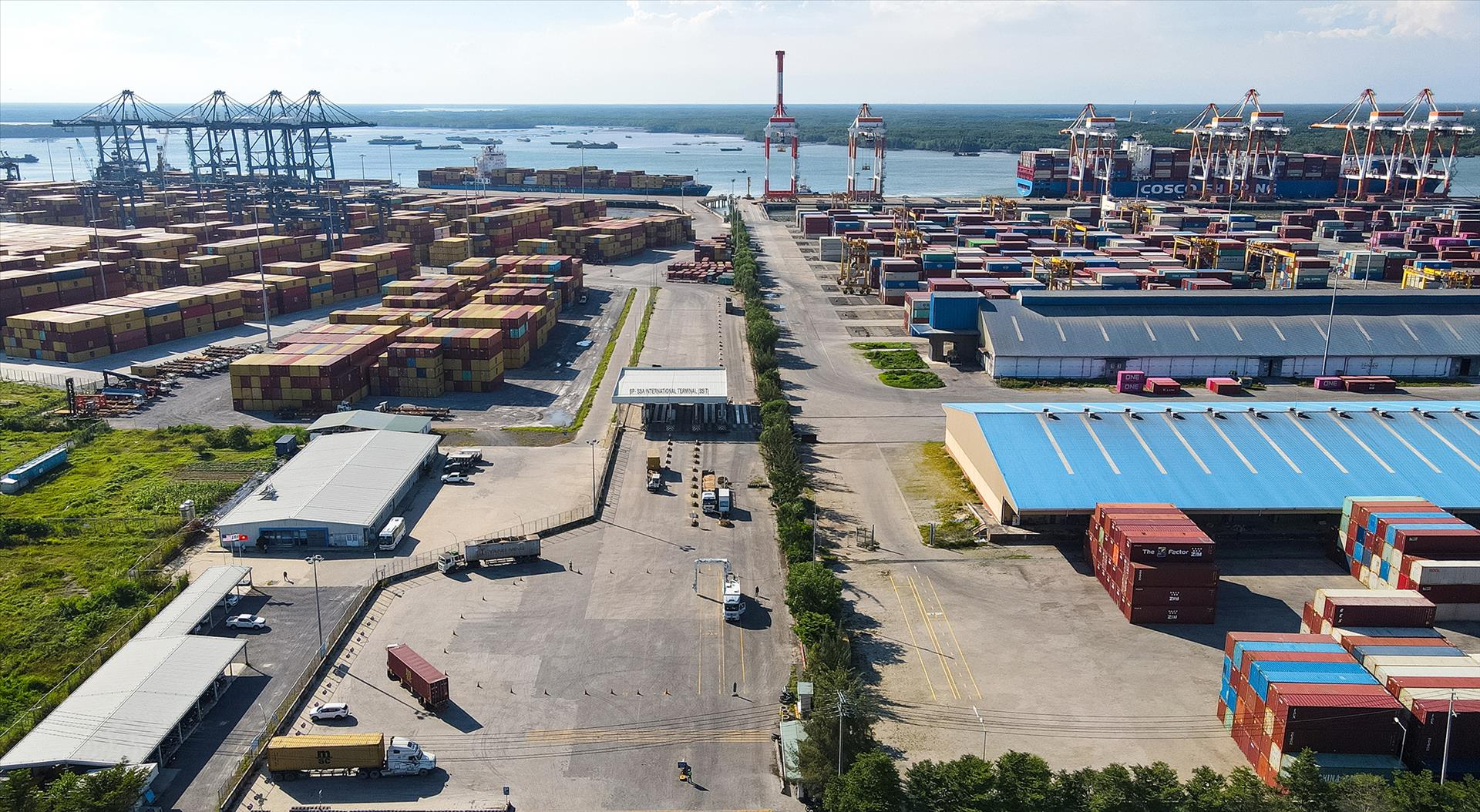
Importing from China does not necessarily mean ordering thousands of products or filling a sea container. Certain solutions allow SMEs, stores and brands to source from Chinese suppliers with more limited volumes.
Negotiable MOQs, products available in stock, order consolidation and groupage transport (LCL): several options exist to adapt purchasing to the size of your business.
You still need to identify the right suppliers and master the real cost of importing. Because a small order can quickly become unprofitable if the ancillary costs are poorly anticipated.
Importing from China in small quantities: an option for small businesses
A store may want to test a new range of accessories. An e-commerce brand may want to launch a few references before expanding its catalogue. An SME may need equipment or components in limited quantities.
In these situations, importing directly from China can be worthwhile, provided you find suppliers whose commercial terms match the project.
Some manufacturers accept limited orders, particularly when they have standard products or raw materials already available. Others work with higher minimum order quantities, especially when manufacturing requires customisation, specific equipment or changes to production lines.
The challenge is therefore to find the right balance between the minimum quantities imposed by suppliers, the real needs of the business and the overall cost of importing.
MOQ in China: understanding and negotiating minimum quantities
The MOQ (Minimum Order Quantity) refers to the minimum quantity a supplier agrees to sell or manufacture for an order.
This minimum varies depending on the product, materials, manufacturing processes and customisation requirements.
For example, a manufacturer may offer a standard water bottle available in stock in small quantities, but require a larger volume to produce a specific colour or fully customised packaging.
How can you obtain a more accessible MOQ?
Several approaches can be considered:
Favour existing products: references already manufactured or available in stock generally require less industrial preparation.
Limit customisations: a logo or standardised packaging can be simpler to implement than a fully custom-developed product.
Reduce the number of variants: ordering a single colour rather than five can facilitate negotiation.
Accept a suitable unit price: some suppliers may reduce the MOQ in exchange for a higher price per unit.
Plan for restocking: presenting prospects for regular orders can facilitate the discussion, without guaranteeing acceptance of small quantities.
Trading companies can also constitute an alternative. By working with several manufacturers, some have a broader range and can offer greater flexibility on volumes.
To understand the differences, see our article Factory or trading company: advantages and disadvantages.
It should nevertheless be kept in mind that a reduced MOQ is not, by itself, a good deal. The purchase price, payment terms, quality and logistics costs must be examined together.
Consolidating several orders: a solution to optimise purchasing
A small business may want to import several product categories without ordering large volumes from each supplier.
Take the example of a store specialising in interior design that wants to buy light fixtures, decorative accessories and storage items from three Chinese manufacturers. Each supplier prepares its order separately. Organising three independent international shipments can multiply costs and complicate coordination.
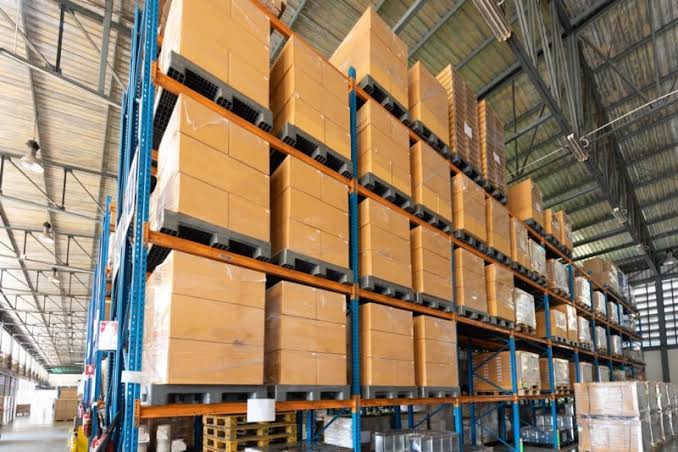
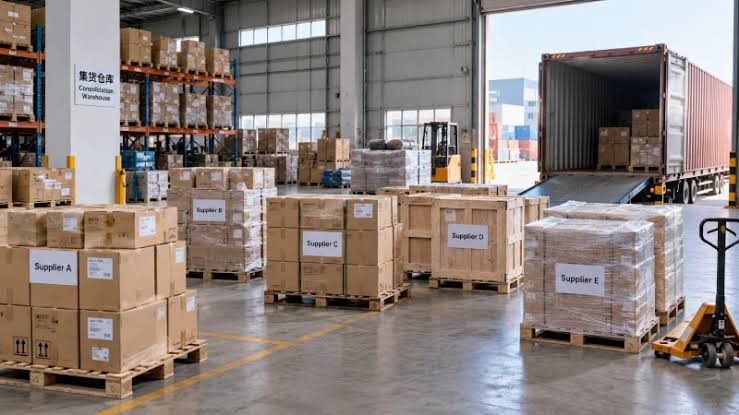
Goods consolidation allows several orders to be grouped in a single warehouse before shipment.
How does consolidation work?
The process generally relies on several steps:
The various suppliers prepare their goods.
The products are routed to a consolidation warehouse.
Packages, quantities and references can be checked according to the services planned.
The goods are grouped together to organise a single shipment.
This solution can facilitate purchasing management and limit certain logistics costs compared with several independent shipments. It is also of interest to companies that want to diversify their catalogue while keeping reasonable quantities per reference.
On the other hand, consolidation can entail collection, storage or handling fees. Its economic value must therefore be studied on a case-by-case basis.
At Diex International, supplier coordination and order consolidation are among the support options for companies sourcing in Asia.
LCL transport: shipping without filling a container
Once the goods are ready, the question of international transport remains.
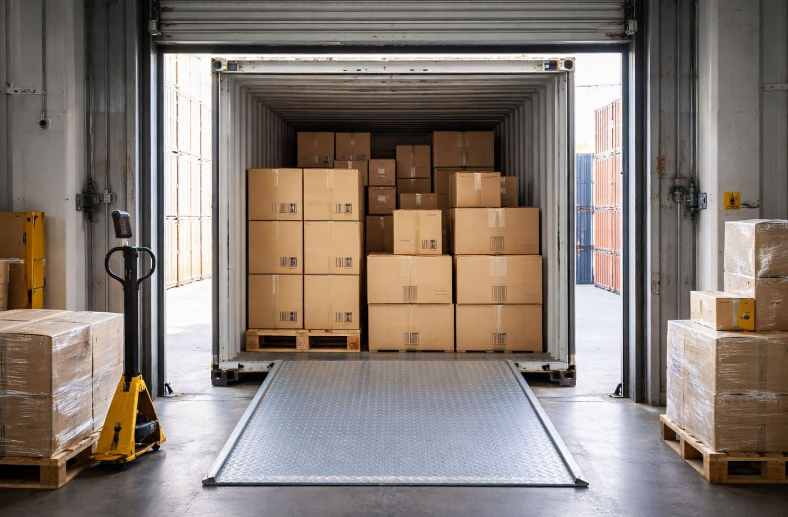
For companies whose volume does not justify reserving a full container, LCL (Less than Container Load), or sea groupage, is a solution to consider. Its principle is simple: goods from several shippers are grouped in the same sea container.
The company therefore does not need to reserve a full container to ship a few pallets.
What are the advantages and limits of LCL?
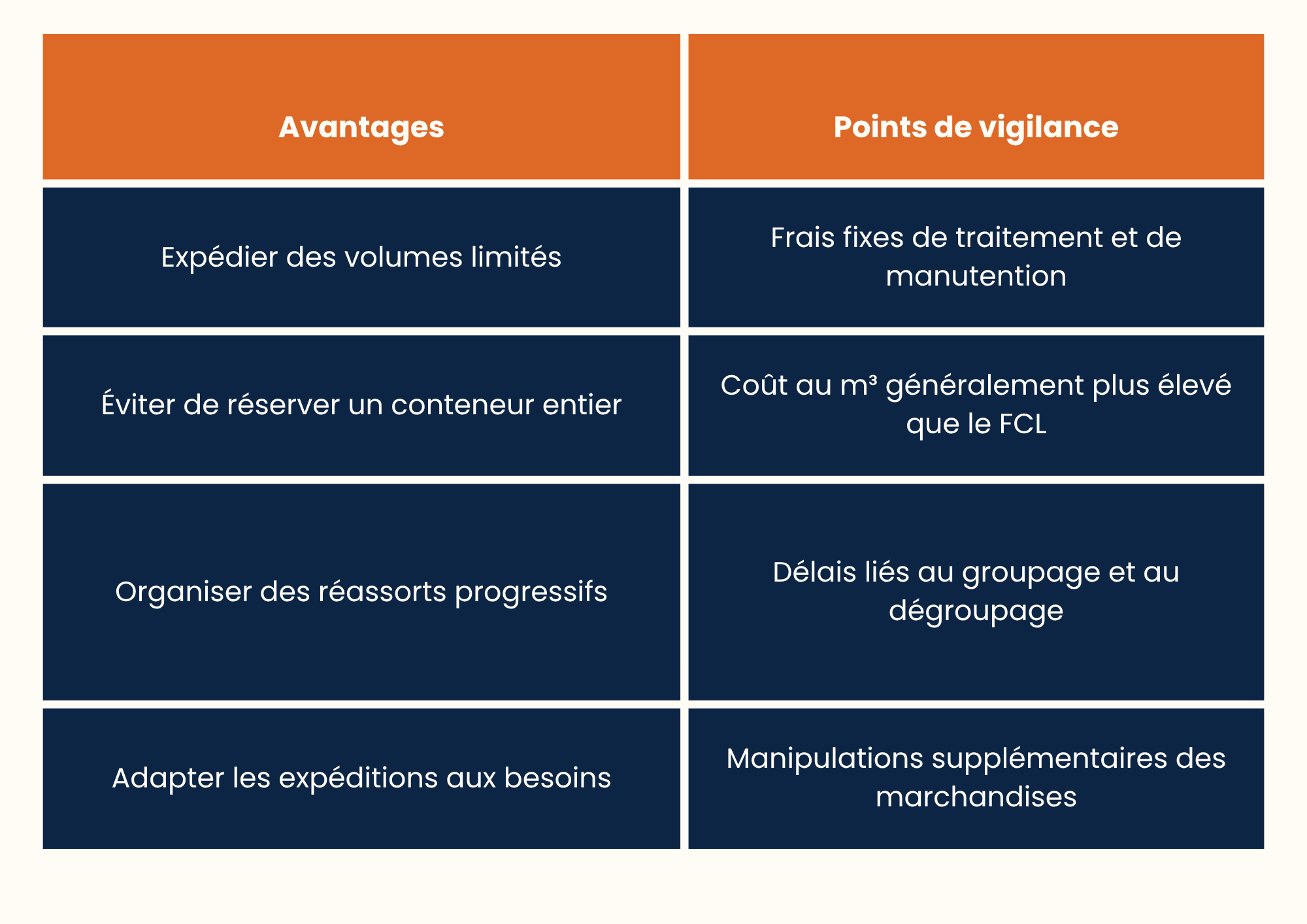
LCL is not systematically the least costly solution. For very small volumes or urgent goods, air or express transport can sometimes be more suitable.
The choice depends on weight, volume, lead times and the total cost to destination.
We detail these criteria in our article FCL or LCL: which solution to choose for your sea freight?.
How can you control the cost of a small import from China?
When a company imports small quantities, the unit price offered by the supplier is not enough to assess profitability.
Some costs are relatively fixed, regardless of the number of products ordered. They can therefore represent a significant share of the final cost price.
Among the elements to anticipate are inland transport in China, consolidation fees, international freight, customs formalities, applicable duties and taxes, possible inspections and final delivery.
Example: comparing two order volumes
Take a store that wants to import accessories sold at €4 each by a Chinese supplier.
Fictitious example for educational purposes: the amounts do not represent real market rates.
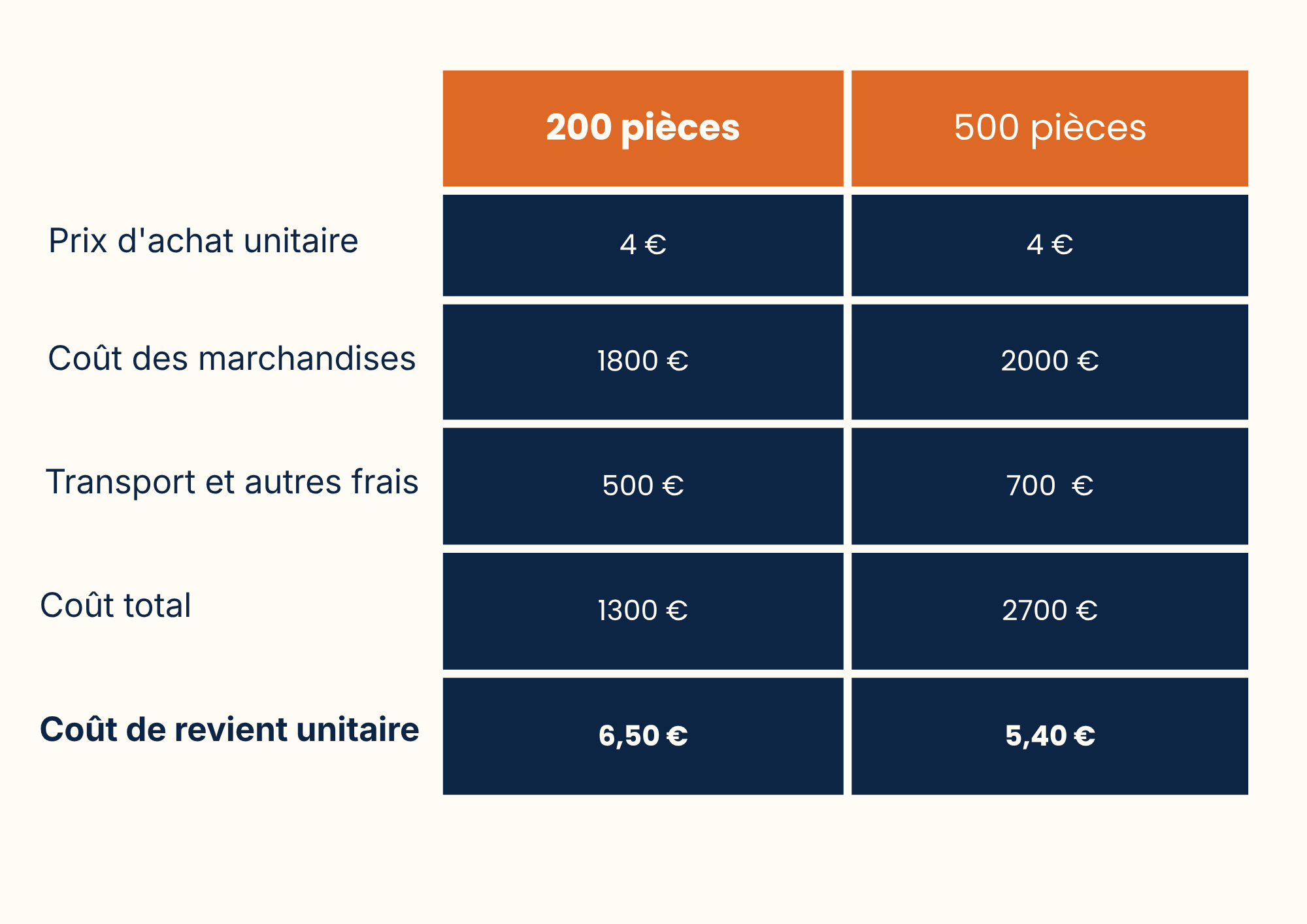
The costs are assumed to be non-recoverable for this simulation. The actual calculation depends on the import conditions and the tax situation of the company.
In this example, the order of 500 units has a better unit cost price. But it also requires mobilising €2,700 instead of €1,300 and assuming a larger stock.
For a company still testing its market, ordering 200 units can remain a more prudent choice, even with a higher unit cost.
Profitability must therefore be analysed taking into account available cash flow, the pace of sales and the risk of unsold stock.
Precautions to take before placing a small order
A limited order does not exempt you from the checks required for professional importing.
Verify the supplier. An attractive MOQ guarantees neither the reliability of the manufacturer nor the quality of the goods. It is important to identify the company, understand its activity and verify its ability to meet the specifications.
Validate a sample. Before ordering, it is better to check the materials, dimensions, finishes, functionalities and packaging. A defective small batch can compromise the launch of a new range.
Plan a suitable quality control. The value of the order, the complexity of the product and the level of risk determine the necessary checks. The different types of quality control allow intervention at several stages of manufacturing.
Anticipate regulatory compliance. Importing a few dozen or hundreds of products does not exempt you from complying with the requirements applicable in the country of marketing.
For European companies, our article on standards and certifications for importing from China presents the main points of vigilance.
Finally, it is important to know precisely the purchase conditions, manufacturing lead times, payment methods and the responsibilities of each party.
How Diex International supports companies with limited volumes
For an SME or a young brand, organising a small import can require as much coordination as a larger-scale project.
Finding a supplier that accepts the desired quantities, negotiating terms, checking products and organising transport require time and knowledge of the field.
Diex International supports companies in their sourcing and international purchasing projects, taking into account their volumes, needs and budget constraints.
Depending on the project, our teams in Asia can be involved in researching and selecting suppliers, negotiating MOQs, sampling, production monitoring, quality controls and shipment coordination.
When several suppliers are involved, consolidation can also be considered in order to simplify logistics organisation.
The objective is to find a realistic sourcing solution, with visibility on costs and implementation conditions, rather than pushing the company to order more than necessary.
Do you want to import from China without having large purchasing volumes?
Diex International can study your project and look for solutions adapted to your products and quantities.
Request your sourcing pre-study
Frequently asked questions
Can you import from China with only 100 or 200 units?
Yes, some suppliers accept these volumes, particularly for standard products or products available in stock. For custom manufacturing, MOQs may be higher. The conditions of each manufacturer must be checked.
Can several small orders from different suppliers be grouped together?
Yes. Consolidation allows goods from several suppliers to be centralised in a warehouse before shipment. This solution can simplify logistics and optimise certain costs, depending on volumes and transport conditions.
Is it profitable to import small quantities from China?
It depends on the product, its value, logistics costs and the intended selling price. A limited order may have a higher unit cost, but it also reduces the initial investment and the risk linked to unsold stock.