When a company is looking for a supplier in China or Asia, one question often comes up: should you work directly with a factory or go through a trading company?
The factory is sometimes seen as the obvious choice: lower prices, no commissions or markups, direct contact with the people in charge of production, and the possibility of customizing the product. In reality, the choice is more nuanced.
A trading company can bring more flexibility, handle multiple product categories and make coordination with several manufacturers easier. If it is transparent about the factories it uses and accepts visits and independent quality inspections, it can be a relevant partner.
The right choice depends above all on the product, volumes, level of customization and project organization.
Factory and trading company: what's the difference?
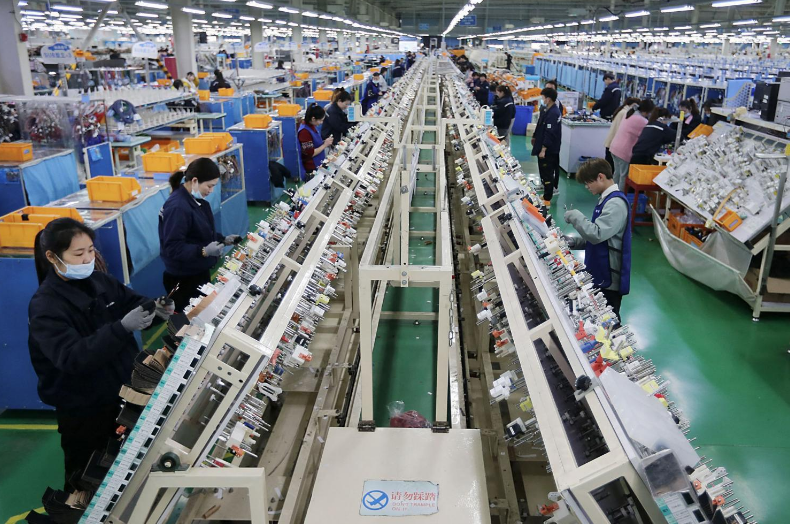
A factory owns or directly operates the means needed to manufacture the product: machines, production lines, staff, assembly, inspection or industrial organization.
This does not mean it necessarily carries out 100% of the operations itself. A factory may buy components or subcontract certain technical steps.
A trading company sells products manufactured by one or more factories. It acts as an intermediary between the buyer and the manufacturers and manages sourcing from suppliers, samples, orders, production, or shipping.
The essential difference therefore lies in the direct control of the production tool.
But a factory-type supplier will not necessarily be the best possible supplier for your project.
Factory or trading: the main differences
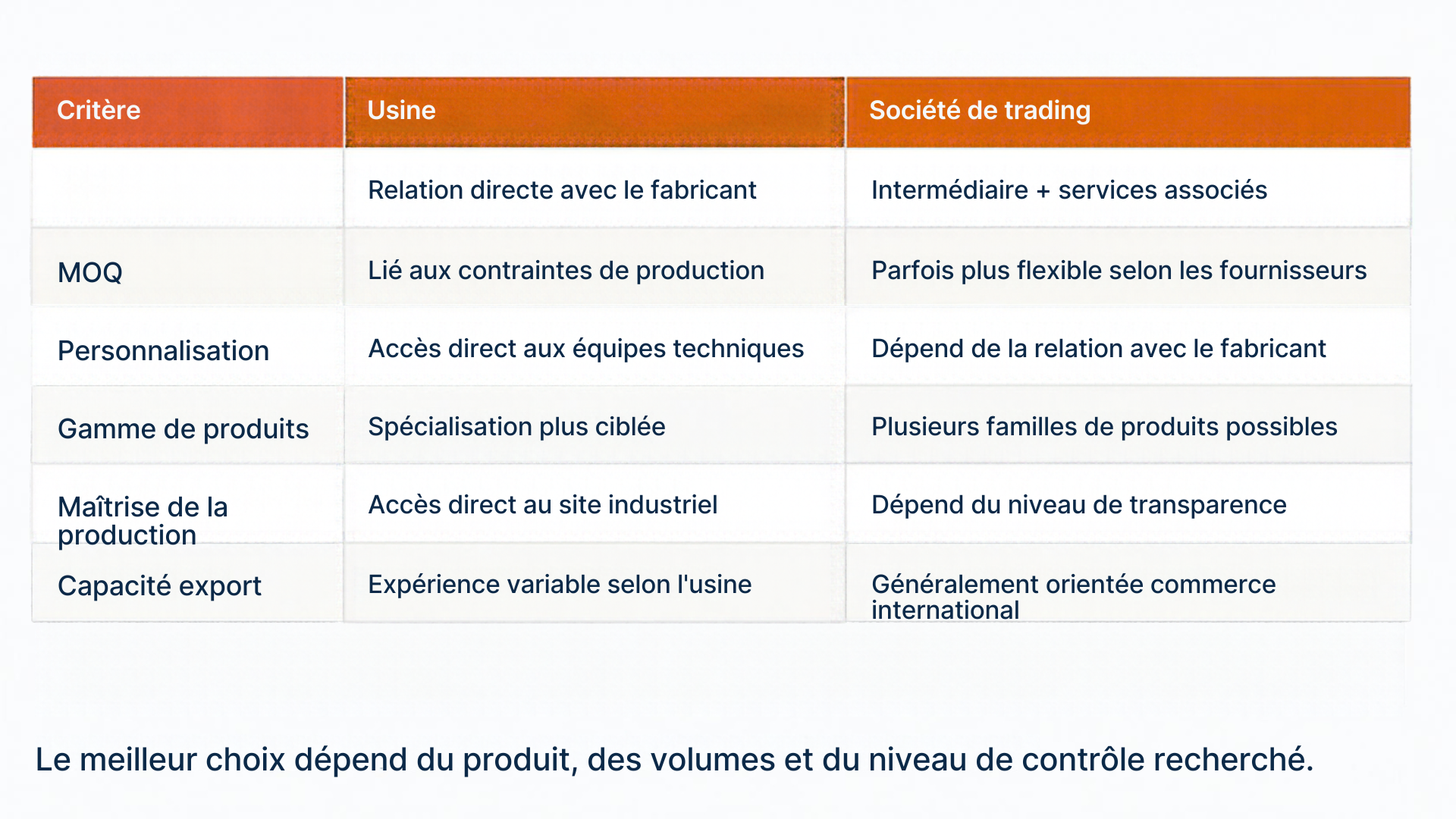
This comparison is a reading grid. Two factories or two trading companies can have very different organizations.
1. Price: is the factory necessarily cheaper?
Working directly with a factory removes one level of intermediation. For identical production, this allows a more direct commercial relationship with the manufacturer.
But the unit price alone is not enough to compare two offers.
A trading company may have negotiated conditions with manufacturers it works with regularly. It can also include in its offer coordination, sample follow-up, grouping of several products or production monitoring.
Before comparing two prices, you must above all check that the offers cover exactly the same specifications:
material;
dimensions;
components;
finish;
packaging;
quantity;
quality requirements;
commercial terms.
A price difference may simply hide a difference in product or service.
2. MOQ: trading can bring more flexibility
MOQ – Minimum Order Quantity – refers to the minimum quantity accepted for an order.
At a manufacturer, this minimum often depends on industrial constraints: material purchase, machine setup, printing, color change, mold making or organizing a production line.
A trading company, thanks to its network of manufacturers, can offer more flexibility for small orders or ranges including several references.
If it cannot completely overcome industrial constraints, its privileged relationships with suppliers, available stocks and ability to group several orders often allow it to negotiate lower minimum order quantities (MOQs).
Concrete example
A French company wants to launch three references of kitchen accessories, at 300 pieces per reference.
A specialized manufacturer may refuse such an order if the volumes are insufficient to justify setting up three distinct production lines.
Conversely, a trading company, thanks to its network of suppliers and existing commercial relationships, can more easily identify manufacturers accepting these quantities. It can also offer products directly available from stock or group several orders to reach the MOQs required by manufacturers.
In this case, the added value of a trading company is not based solely on price, but above all on its ability to offer more flexible sourcing solutions adapted to small volumes.
3. Customization: when direct access to the factory becomes essential
For a standard product with slight customization, both models can work.
The situation changes when the project requires real technical development: new mold, modification of a part, specific material, precise dimensions, particular assembly or several series of prototypes.
Working directly with a factory makes it easier to exchange with the teams in charge of production, better understand industrial constraints and actively participate in product development.
A trading company can also support this type of project, provided it maintains a close relationship with the manufacturer and ensures good transmission of technical information. However, this intermediary can limit your direct involvement in product development, reduce your control over technical aspects and become a brake in the long term, especially for projects requiring regular adjustments or innovations.
So you need to ask a simple question:
Who actually carries out product development? And will we be able to exchange directly with the factory in case of a technical problem?
For a product creation project, our article on launching an e-commerce brand in Asia details the work on specifications, suppliers and samples.
4. Product range: an advantage of trading companies
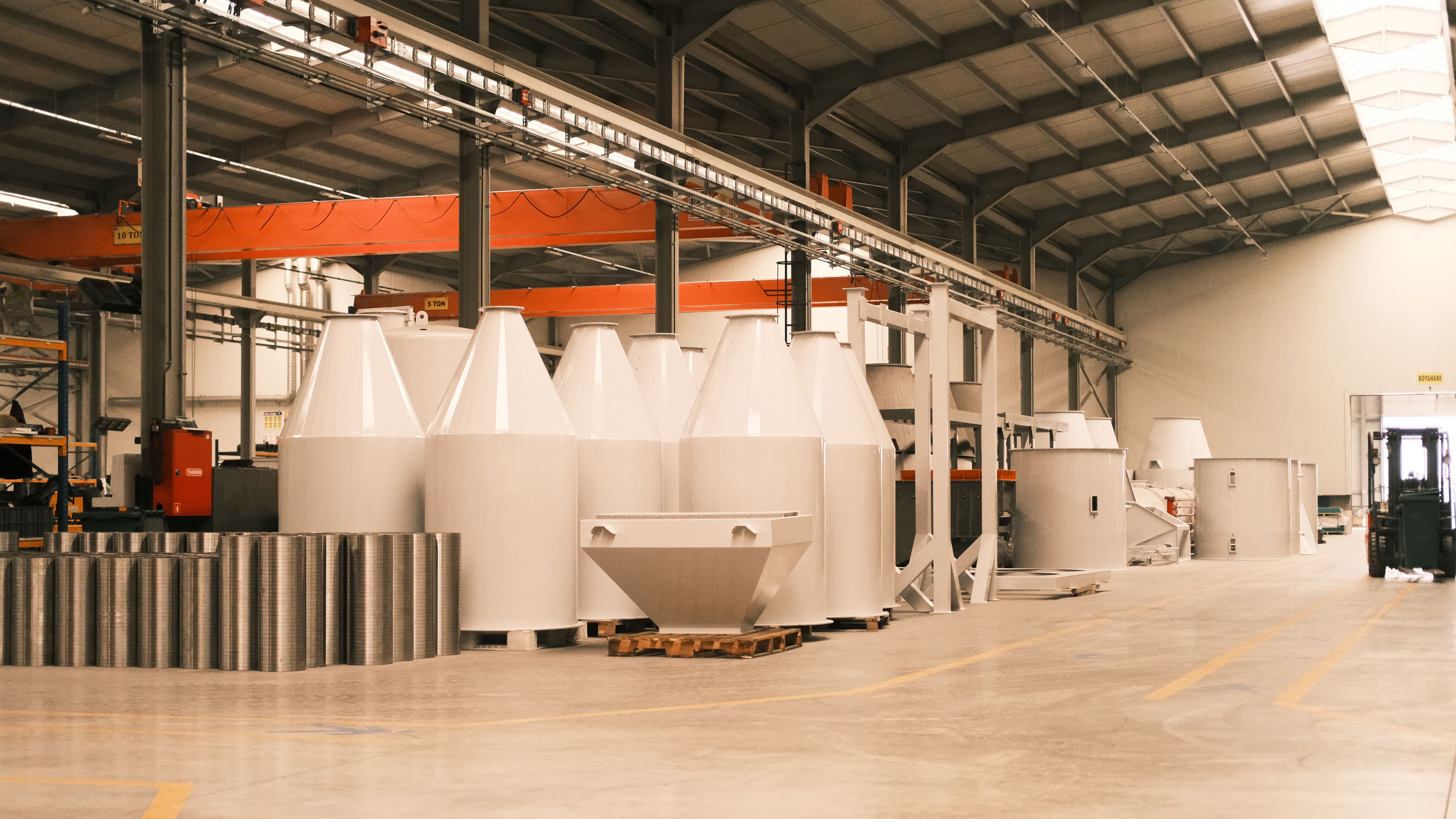
A factory is generally specialized in a set of processes and products.
A trading company can work with several manufacturers and bring together different product families in a single catalog.
Let's take a French brand that wants to order:
500 textile bags;
500 metal water bottles;
500 office accessories;
several custom packagings.
These products require different industrial know-how and are rarely manufactured within the same factory.
Working directly with each manufacturer therefore means multiplying exchanges, negotiations, sample orders, production monitoring, quality inspections and logistics operations.
A trading company can considerably simplify this process by centralizing purchases, coordinating the different manufacturers and grouping goods to optimize their shipping.
Conversely, for an order of 5,000 pieces of the same custom metal product, requiring the development of specific tooling and several prototypes, working directly with a specialized factory offers better technical control and more precise monitoring of development.
The choice between a factory and a trading company therefore depends above all on the nature of the project, the diversity of products and the level of customization sought.
5. The essential point: knowing where the product is actually manufactured
The main risk is not necessarily working with a trading company.
It is not knowing who actually manufactures your product.
A transparent trading company must be able to explain:
which factory produces the order;
where it is located;
which operations it performs;
which steps are subcontracted;
how production is monitored;
how quality will be controlled.
When a trading company allows the buyer to visit the factory, organize a video conference visit, carry out an audit or involve an independent organization for quality control, the commercial relationship gains considerably in transparency.
Conversely, a trading company that systematically refuses to communicate the identity or location of the manufacturer, or that prevents any independent quality control, should raise suspicion. These practices are important warning signals and justify giving up the collaboration.
Our article How to ensure the reliability of a Chinese factory before ordering? details the elements to check: company identity, actual factory, equipment, capacities, certifications and quality organization.
6. Quality control: going through a trading company does not mean losing control
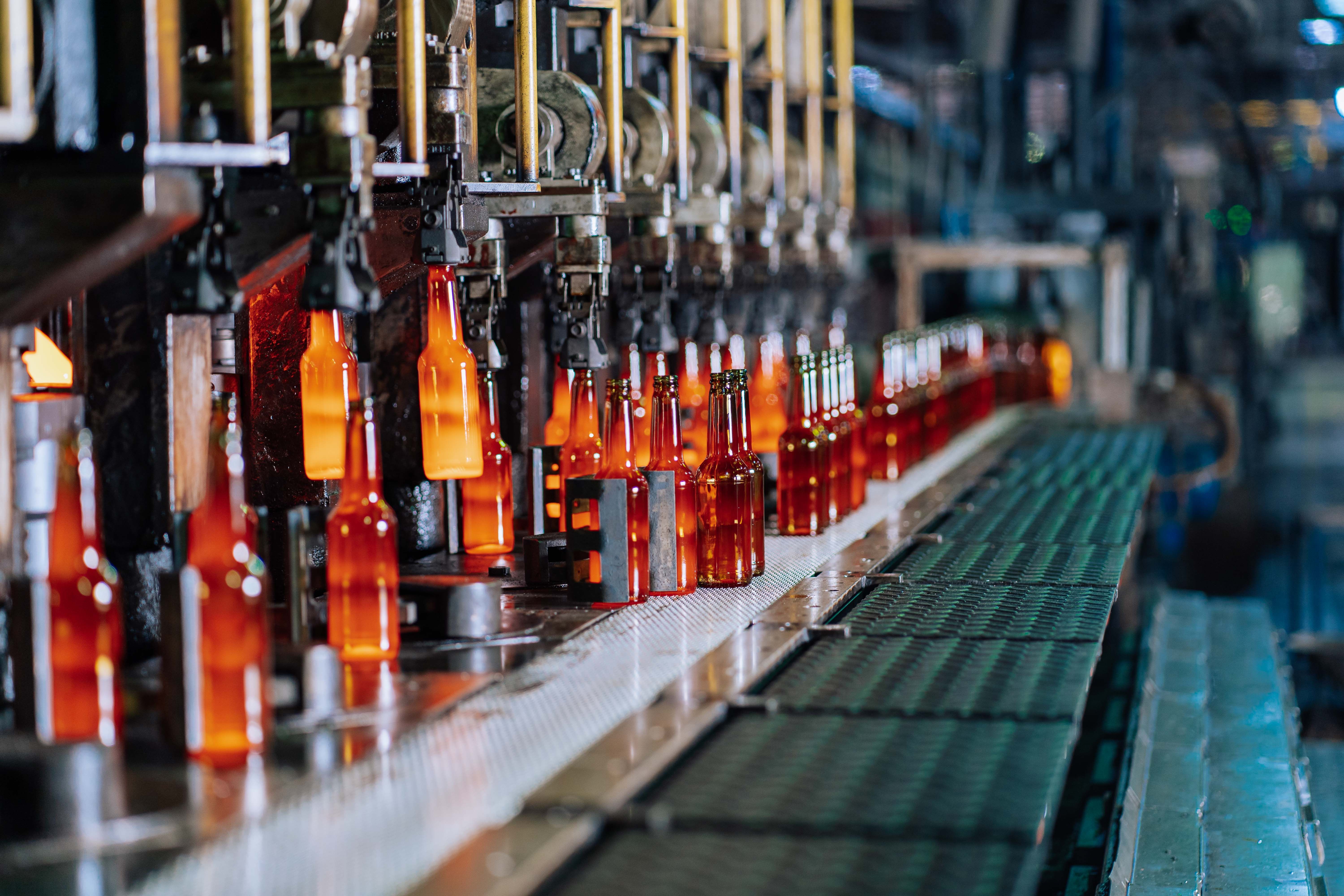
Working with a trading company should not prevent you from verifying product quality and manufacturing conditions.
Even when sourcing goes through an intermediary, it is still possible to organize independent quality inspections directly within the factory, provided that the trading company and the manufacturer authorize access.
These controls must be based on specifications defined beforehand: dimensions, materials, operation, finishes, packaging and defect acceptance criteria.
For a first collaboration with a manufacturer, a Factory Verification Audit can also be carried out before production starts. This audit makes it possible in particular to assess the factory's equipment, organization, production capacities and quality management system.
The challenge is therefore not simply to choose between a factory and a trading company, but to ensure that manufacturing conditions are verifiable and that independent quality controls can be carried out.
7. Export capacity: knowing how to manufacture is not always enough
A factory may perfectly master the manufacturing of a product without having an experienced export team or the administrative authorizations and registrations necessary to directly manage international commercial operations.
A trading company, more oriented towards commercial exchanges, can facilitate communication with suppliers, negotiations, document management and shipping organization.
Conversely, many factories have structured export departments, capable of directly managing international orders and shipments.
It is therefore necessary to distinguish two essential skills: the industrial capacity to manufacture a product compliant with requirements and the commercial capacity to efficiently manage international operations.
A trading company is not systematically better organized than a factory in these aspects. It all depends on the experience and resources of each company.
How to choose between a factory and a trading company?
Before selecting a supplier, the essential thing is not to systematically look for a factory, but to ensure that the chosen partner meets the requirements of your project.
Several points must be checked:
Manufacturer: who actually manufactures the product and where is the factory located?
Expertise: what is its experience in your product category?
MOQ: are the minimum order quantities adapted to your needs?
Customization: what modifications are possible and which operations are subcontracted?
Transparency: is it possible to visit or audit the factory?
Quality control: are independent inspections allowed?
Production monitoring: how will technical problems, defects or delays be handled?
A catalog or a profile on a B2B platform is not enough to guarantee a supplier's reliability or to identify its true industrial capacities. Our article Buying on Alibaba: what are the advantages and risks? explains the verifications to carry out before ordering.
Conclusion: choosing the right partner according to your project
The choice between a factory and a trading company depends above all on the nature of your project, the volumes ordered and the level of customization sought.
Working directly with a factory can be particularly interesting for large volumes, technical products or developments requiring close collaboration with production teams.
Going through a trading company can offer more flexibility for small orders, ranges including several references or projects involving different manufacturers.
A trading company should therefore not be dismissed simply because it plays an intermediary role. When it works transparently, facilitates access to manufacturers and accepts independent audits and quality controls, it can be a reliable and efficient partner.
The essential thing remains to know who manufactures your products, where they are manufactured and how their quality is guaranteed.
At DIEX International, we support companies in finding, qualifying and monitoring suppliers in Asia, whether they are factories or trading companies.
Would you like to identify suppliers suited to your project, know the MOQs, prices and assess its feasibility? Discover our sourcing pre-study.
Frequently asked questions
How to check if a supplier is a factory or a trading company?
It is important to verify the company's legal identity, its address, its production equipment and the products it actually manufactures. A factory visit or an independent audit makes it possible to confirm its industrial capacities and to check whether it directly manufactures the products or uses subcontractors.
Is a trading company necessarily more expensive than a factory?
Not necessarily. Even if a trading company applies an intermediary margin, it can benefit from advantageous purchasing conditions thanks to its volumes, its relationships with manufacturers or its ability to group several orders.
Can quality control be carried out when working with a trading company?
Yes, absolutely. A trading company can authorize independent quality controls directly in partner factories.
These inspections make it possible to verify product conformity before shipping, provided that access to the production site is authorized and that control criteria have been clearly defined.