When a company organises an import from Asia or elsewhere, the sea freight solution chosen can have a significant impact on the cost, lead times and organisation of the shipment.
Two solutions are commonly used: FCL (Full Container Load), which involves booking a full container for one's own cargo, and LCL (Less than Container Load), also known as sea groupage, which allows sharing a container with goods from other shippers.
But how to choose between FCL or LCL? Volume is an important criterion, but it is not the only one. Associated costs, lead times, order frequency, packaging and product fragility must also be taken into account.
What is FCL?
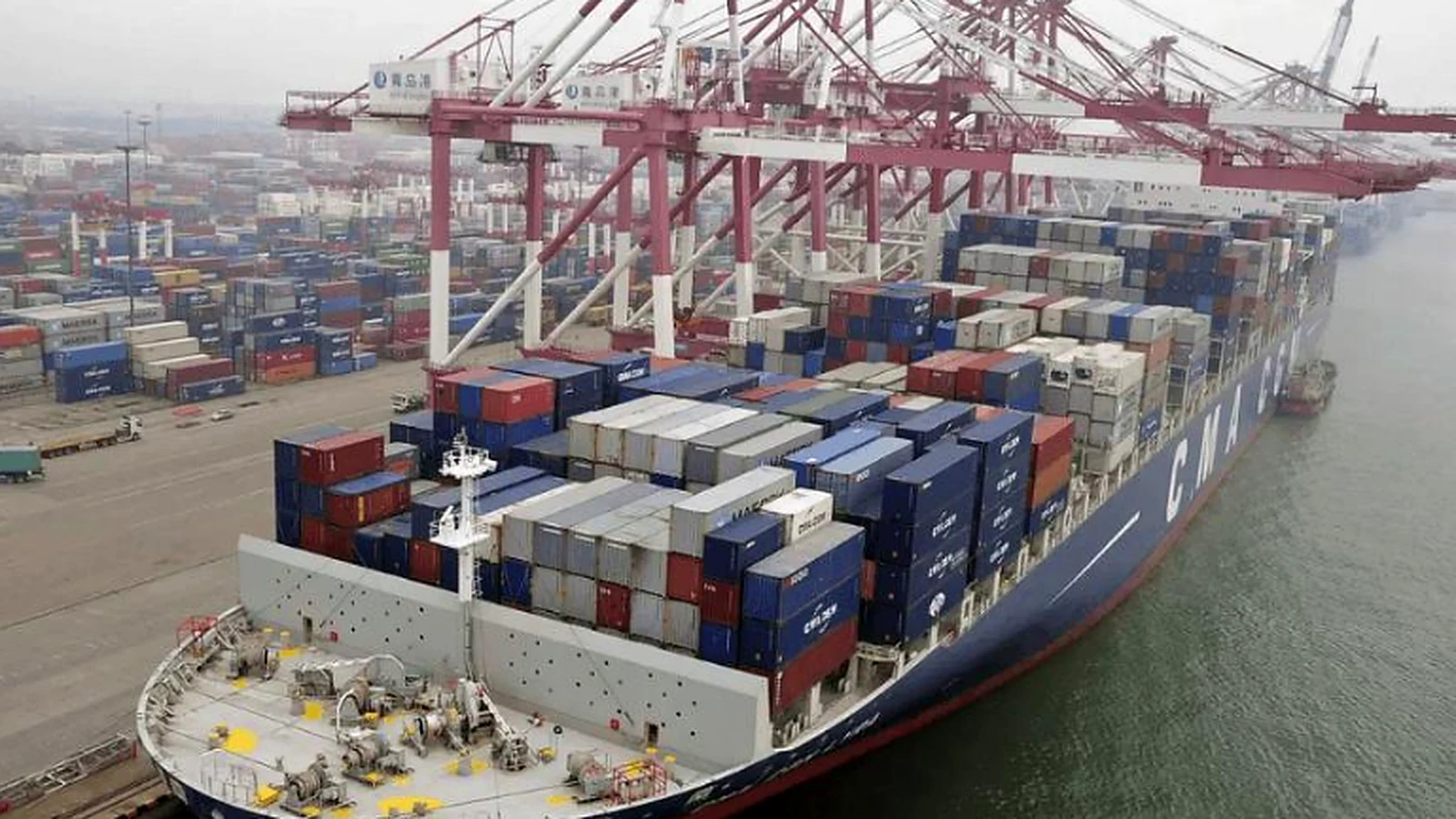
FCL stands for Full Container Load. With this solution, the company books a full container to transport only its own goods.
It is not mandatory to fill the container entirely to use this solution. A company can book a full container even if part of its capacity remains available.
The most commonly used formats in sea freight are 20-foot and 40-foot containers, also called 20GP and 40GP. Note that in Asia, different parties often use the terms 40GP and 40HQ interchangeably, even though they are technically two different container types.
FCL sea freight becomes interesting when shipped quantities are large or when a company wants a container dedicated to its cargo.
What is LCL?
LCL stands for Less than Container Load. It is also called sea groupage.
In LCL transport, a shipping company consolidates goods from several clients into the same container. Each company thus uses only the space it needs, which allows sharing available space and part of the transport costs.
The company therefore pays for the space occupied by its cargo rather than for an entire container.
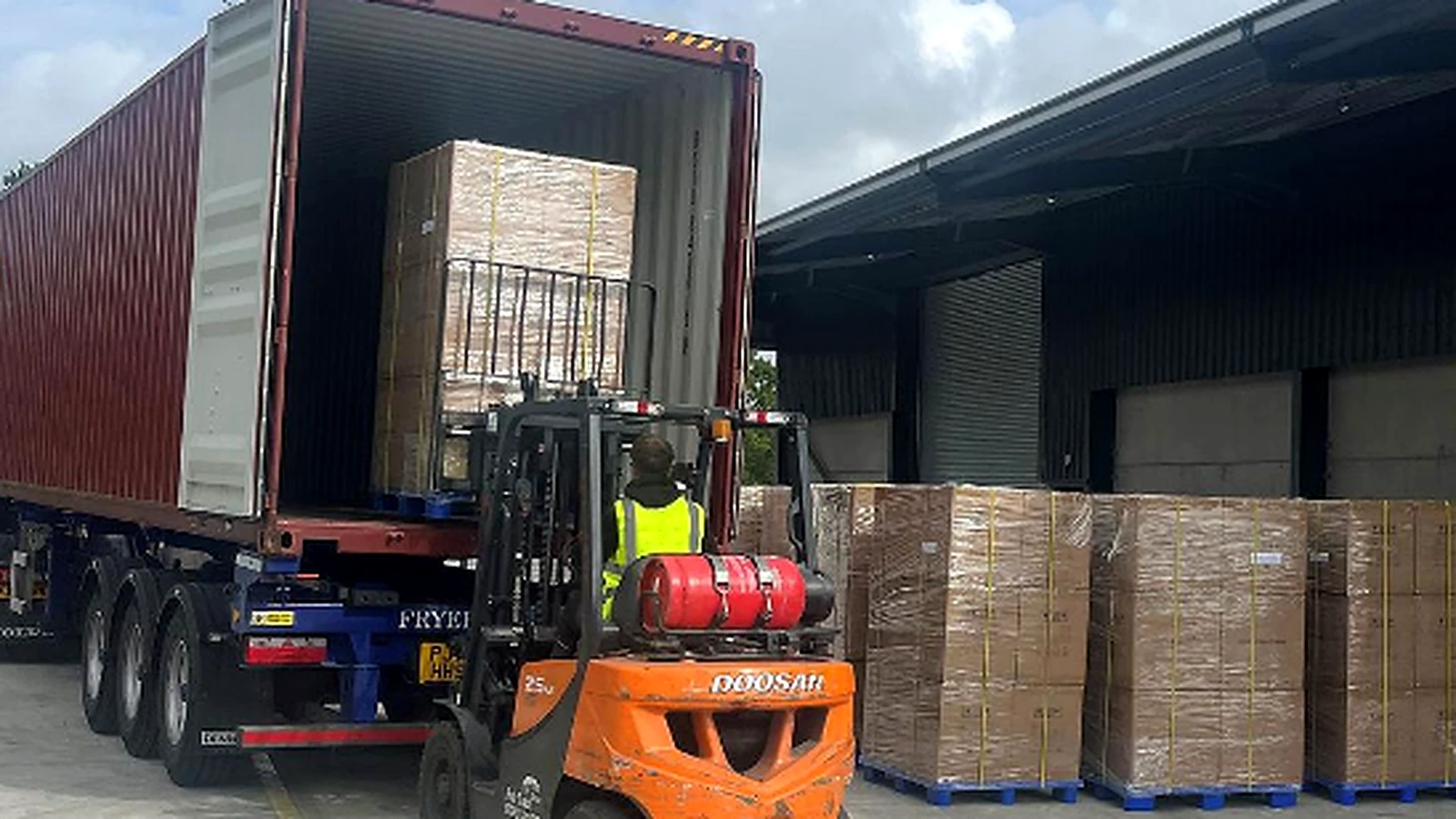
LCL sea freight is particularly suitable for small volumes. It allows, for example, shipping a few pallets or cartons without waiting to have enough goods to fill a container.
However, this organisation requires additional operations: the different goods must be consolidated before departure, then separated during deconsolidation at destination.
FCL or LCL: what price differences?
Generally, the cost per cubic metre is higher in LCL than in FCL.
For a small quantity of goods, LCL groupage is generally a solution to consider first, since it avoids booking a full container that would be largely underused.
However, be careful with fixed costs, which can represent a significant part of the total cost of an LCL shipment. The smaller the volume of goods, the more these costs weigh on the transport cost per product.
As volume increases, the calculation can therefore quickly change.
The cost of an LCL shipment depends in particular on the volume occupied, but also on the various operations required for consolidating and deconsolidating the goods. From about 15 m³, it may become more advantageous to book a 20GP container in FCL, even if it is not 100% full, rather than continuing to ship in LCL. This threshold is however indicative and depends on freight rates, the port of departure, the destination and various local charges.
It is therefore important to avoid comparing only the sea freight price.
Depending on the shipment, many costs can be added: pickup of goods, handling, consolidation, documentation, port operations, deconsolidation or final delivery.
These fixed costs can quickly accumulate. In FCL, their impact on the transport cost per product is generally more limited, especially when the container is sufficiently filled.
To compare FCL and LCL correctly, it is therefore essential to examine the total shipment cost, and not only the sea freight rate.
This analysis must also take into account the transport conditions negotiated with the supplier. Terms such as EXW, FOB, CIF, DAP or DDP determine in particular the allocation of certain obligations, costs and risks between the seller and the buyer.
To better understand how they work, see our article on the main Incoterms in international trade.
What lead time differences between FCL and LCL?
Time spent on board the vessel represents only part of the total lead time.
In LCL, goods must first be grouped with those of other shippers. This consolidation step occurs before loading.
At destination, the container must then be unloaded and the different cargoes separated before continuing their journey.
These various operations can extend the overall shipment lead time, by up to 2 additional weeks in some cases.
In FCL, the cargo does not need to be grouped and then separated from those of other shippers. The logistics process is therefore more direct.
For a company working with tight deadlines and strict delivery schedules, it is preferable to take into account the overall shipment lead time rather than relying solely on the announced sea transit time between the two ports.
What are the advantages and disadvantages of FCL?
The main advantage of FCL is having a container reserved for one's cargo.
When volumes become large, this solution can provide a more attractive transport cost per unit. It also reduces certain intermediate handling related to consolidation and deconsolidation operations.
FCL can be particularly relevant for:
large orders;
regular shipments;
fragile goods or goods sensitive to handling;
cargo occupying a significant part of a container;
projects where logistics lead time must be better controlled.
Its main disadvantage is that a sufficient volume of goods is required for this solution to be worthwhile. For small volumes, booking an entire container for just a few cartons or pallets can result in unnecessarily high costs.
What are the advantages and disadvantages of LCL?
The main advantage of LCL is its flexibility.
A company can organise an import in groupage without waiting to have enough goods to fill a container.
This solution can be interesting for a first order, a product launch or regular supplies in small quantities.
It also avoids artificially increasing ordered volumes solely to optimise container filling. LCL thus allows small businesses to order directly from Asia, even when they do not have sufficient volumes to fill a full container.
In return, sea groupage is generally more expensive than FCL per cubic metre, with fixed costs that can also be higher.
It also offers less flexibility. In LCL, goods must go through consolidation and deconsolidation steps, and the shipper does not always freely choose the container departure date. Departures are often scheduled in advance by shipping companies, for example once a week on certain busy routes.
What volume is needed to choose between FCL and LCL?
There is no universal threshold from which one should automatically switch from LCL to FCL. However, from about 15 m³, it often becomes relevant to compare the cost of groupage with that of a 20GP container, which may then prove more advantageous.
Volume in cubic metres is an essential indicator, but other elements come into play: weight of the goods, dimensions of cartons or pallets, ability to stack products, shipping route, available rates and charges applied at origin and destination.
For a few pallets, LCL will generally be a logical option to consider.
Transport volume can also be anticipated from discussions and negotiation with the supplier. Ordered quantities, MOQs, packaging and carton dimensions will have a direct impact on the organisation of the shipment.
For a new project, the Sourcing pre-study provides an initial view of suppliers, prices, MOQs but also the most suitable transport solution.
FCL, LCL and breakage risks: what differences?
The number of handling operations is an important factor when goods are fragile.
In LCL, products go through consolidation and deconsolidation operations. They may therefore be handled several times before arriving at destination.
They also share the container with goods from other shippers.
Packaging must therefore be adapted to the constraints of sea groupage transport: quality of cartons, internal protections, blocking and bracing, palletisation when necessary and resistance to various handling operations.
FCL limits these intermediate operations, but this does not eliminate breakage risks.
Poor packaging, insufficient blocking and bracing or poorly organised loading can also damage products in a full container.
Shipment preparation must therefore be consistent with the nature of the goods and the chosen transport mode.
Example 1: a small order from a supplier
Let's take a company that orders four pallets of products from a supplier in Asia.
Booking a full container would leave a large part of the available space unused.
An LCL shipment may then be more suitable: the four pallets are grouped with other goods and the company uses only the space it needs.
This solution can be particularly interesting for a first order or for a one-off supply of small volume.
However, consolidation and deconsolidation operations and fixed costs must be included in the calculation of the overall cost and lead time.
Example 2: a larger order
Now let's take a company whose goods occupy more than 17m³.
Continuing to pay for an LCL shipment on the entire volume may lose its appeal.
It then becomes relevant to compare the total cost of sea groupage with that of a full FCL container.
Even if the container is not 100% full, FCL can present economic and operational benefits.
The decision must nevertheless be based on actual quotations and the precise characteristics of the cargo.
Example 3: multiple suppliers for the same import
The situation can be different when a company buys products from several suppliers.
Imagine three factories located in China, each producing part of the same collection. Shipping each order separately is not necessarily the most suitable solution.
Depending on volumes, production locations and availability dates, goods can be grouped to organise a consolidated shipment.
This approach, however, requires more coordination: production end dates, movement of goods, quantity checks, packaging and loading organisation must be anticipated.
This is why international logistics benefits from being considered from the sourcing stage and not only when products are ready to leave the factory.
Mistakes to avoid before choosing FCL or LCL
The first mistake is to think that LCL is always cheaper because the container is shared.
Conversely, automatically booking an FCL container for each order can generate unnecessary costs when quantities are small.
Another mistake is to compare only the sea freight price. Handling, consolidation, deconsolidation and other fixed costs must also be taken into account.
It is also important to avoid neglecting possible additional lead times in LCL or underestimating the importance of packaging.
FCL or LCL: how to choose?
There is no systematically better solution.
LCL offers more flexibility for small volumes. FCL becomes particularly interesting when quantities increase or when having a dedicated container provides a logistical advantage.
Before deciding, several elements must be compared:
volume and weight of the cargo;
overall cost in FCL and LCL;
actual lead times;
order frequency;
fragility of products;
packaging;
number of suppliers involved;
stock and delivery constraints.
This reflection is part of a broader international sourcing approach. Supplier search, MOQs, purchasing conditions, packaging and transport are linked and should ideally be anticipated together.
Diex International supports companies in their sourcing in Asia projects, from supplier search and qualification to production monitoring and organisation of international logistics.
To study a new project before launching the first orders, you can also carry out a Sourcing pre-study with Diex International.
Frequently asked questions
What is the main difference between FCL and LCL?
In FCL, the container is reserved for the cargo of a single shipper. In LCL, several shippers share the same container. LCL therefore allows shipping small volumes without booking a full container.
Is LCL always cheaper than FCL?
No. For a small volume, LCL can be more advantageous. As volume increases, the costs associated with groupage can make FCL more competitive. It is then preferable to compare both quotations taking into account all costs.
Do you need to fill a container completely to use FCL?
No. A container can be booked in FCL without being completely filled. The choice depends on the volume, the total cost of the shipment, lead times and the characteristics of the goods.