When a company considers working with a new factory, especially internationally, much of the available information comes directly from the supplier: sales presentations, catalogs, photos, certifications, claimed capabilities…
The Factory Verification Audit allows you to compare this information with the reality on the ground before committing to production.
What is the purpose of a Factory Verification Audit?
The goal of a Factory Verification Audit is to verify that a factory actually exists and has the necessary capabilities to meet the project's requirements.
The audit evaluates various aspects of the supplier: infrastructure, equipment, personnel, production organization, quality processes, documents, and working conditions.
It does not guarantee the absence of problems during production, but it helps reduce risks before placing an order, especially when the supplier is thousands of miles away.
What is checked during a factory audit?
The content of a factory audit can vary depending on the product, industry, and buyer requirements. However, several points are generally examined.
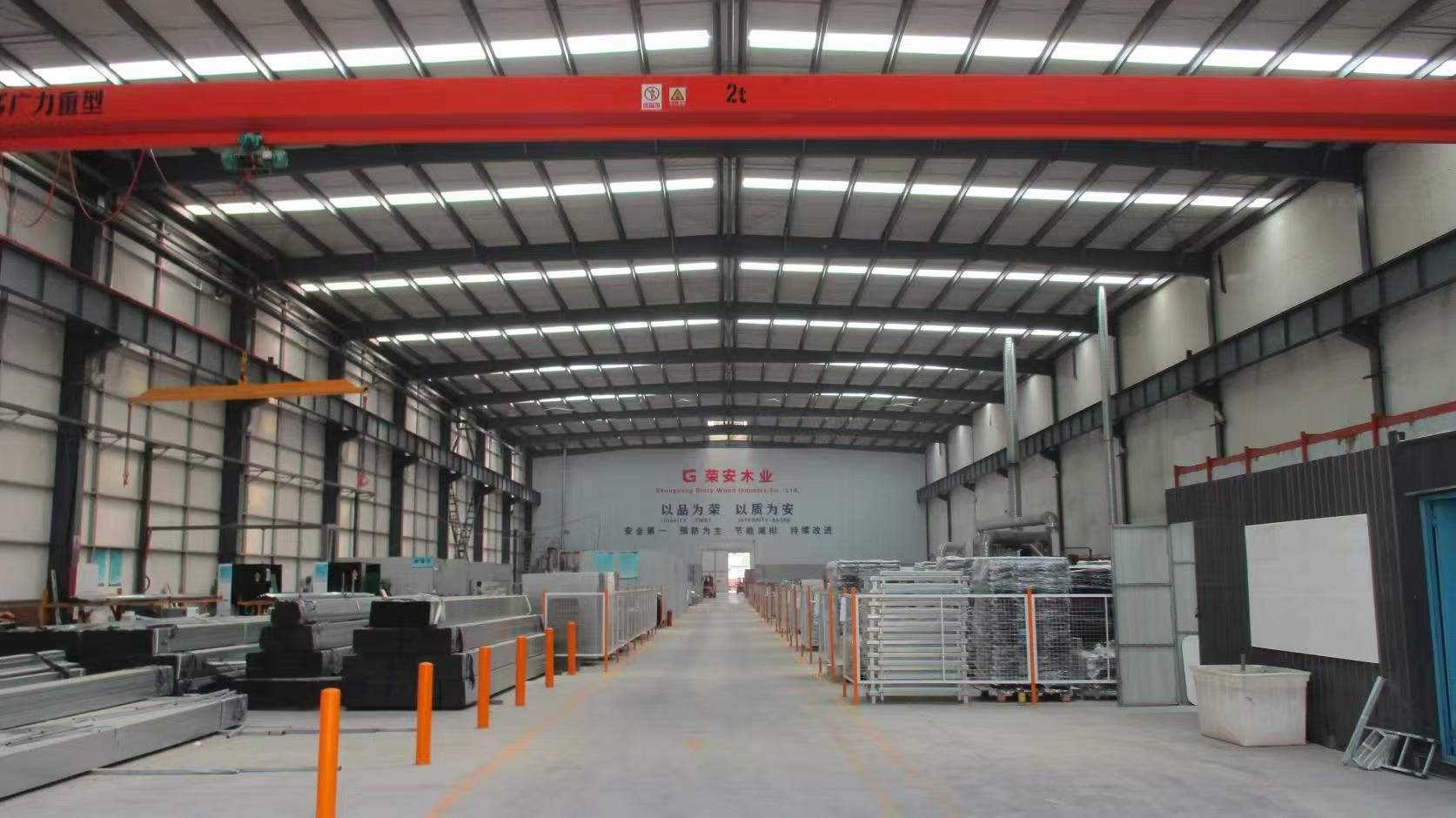
Existence and identity of the factory
The first step is to verify that the production site exists, is operational, and corresponds to the company with which business discussions have been held.
This supplier verification helps determine whether the contact is actually the manufacturer or an intermediary.
Production capabilities
A factory may claim significant capacity without having the necessary resources to meet expected volumes or deadlines.
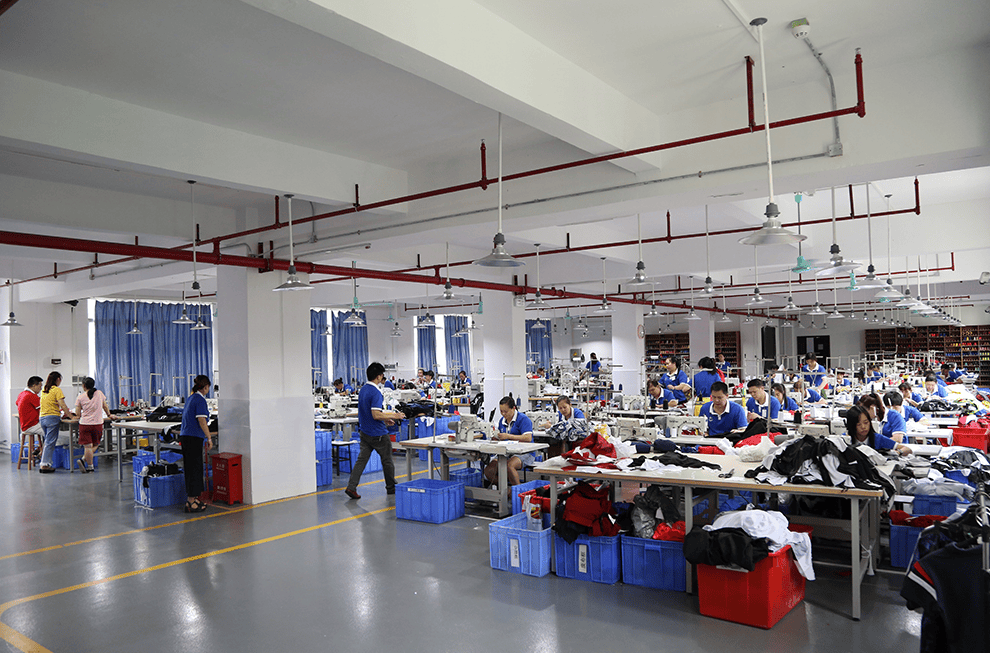
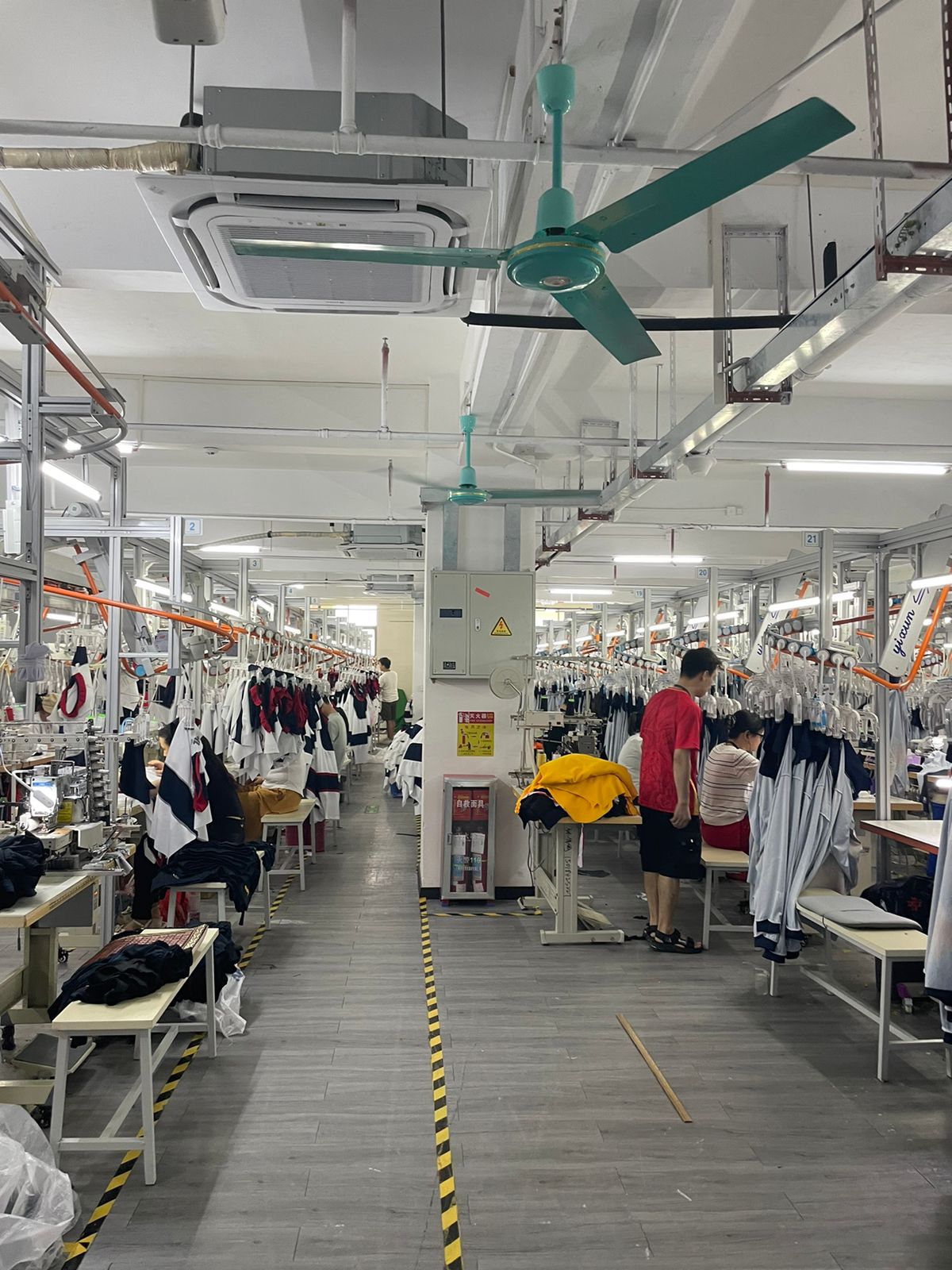
The audit allows observation of production lines, staffing, team organization, and workload to verify consistency between claimed capabilities and available resources.
Equipment and infrastructure
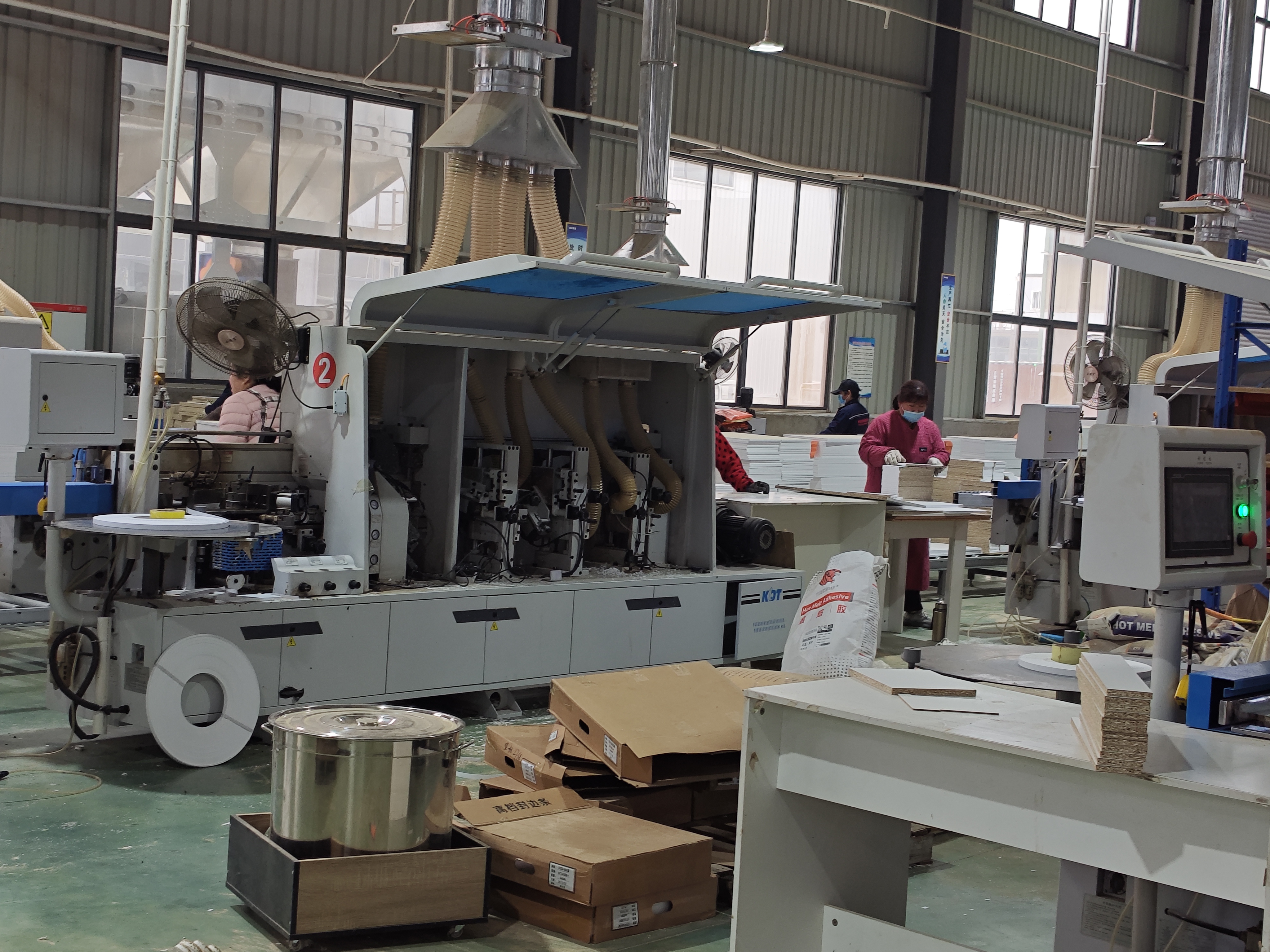
Machines and equipment are checked to determine if they are suitable for the product to be manufactured.
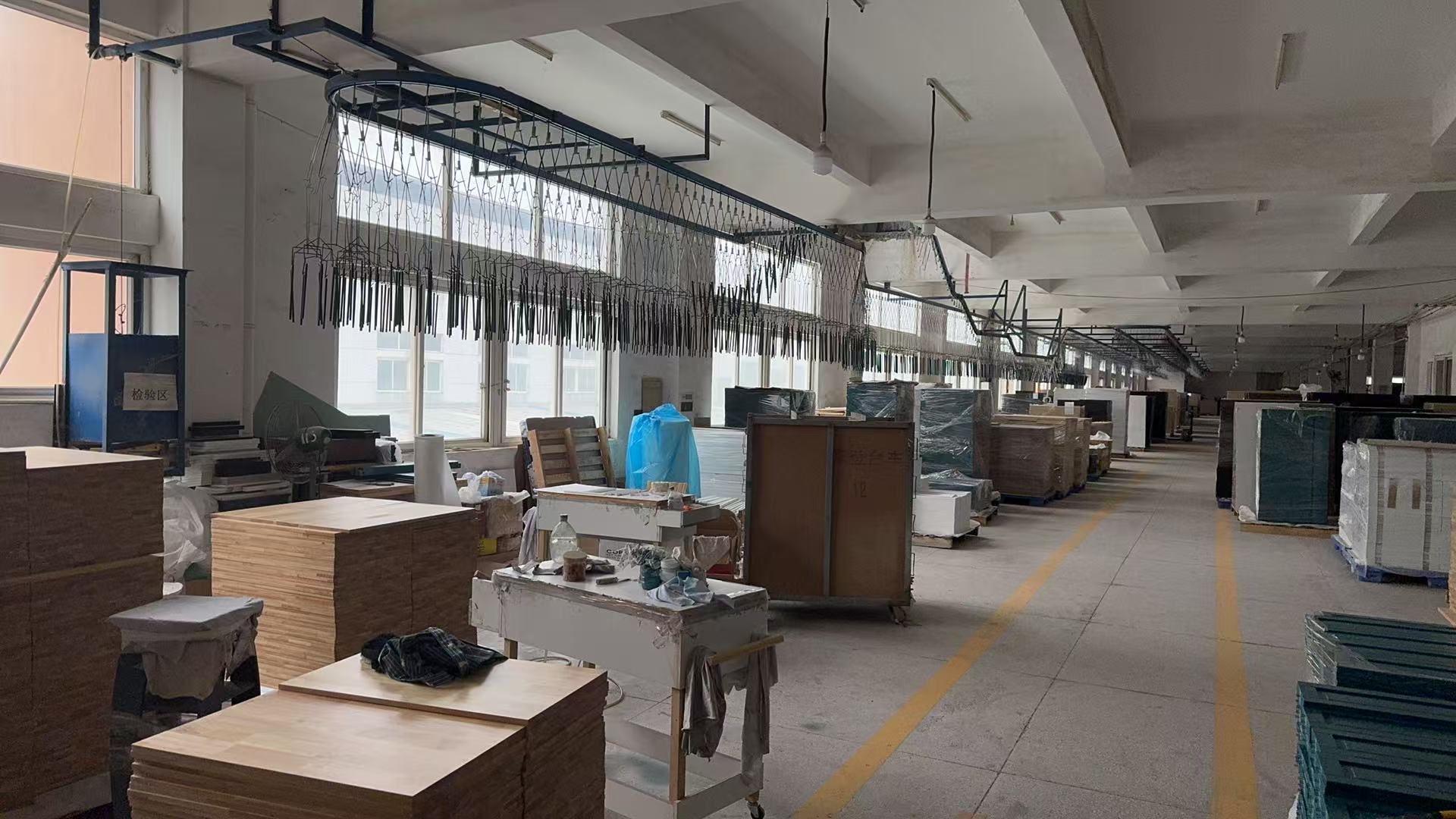
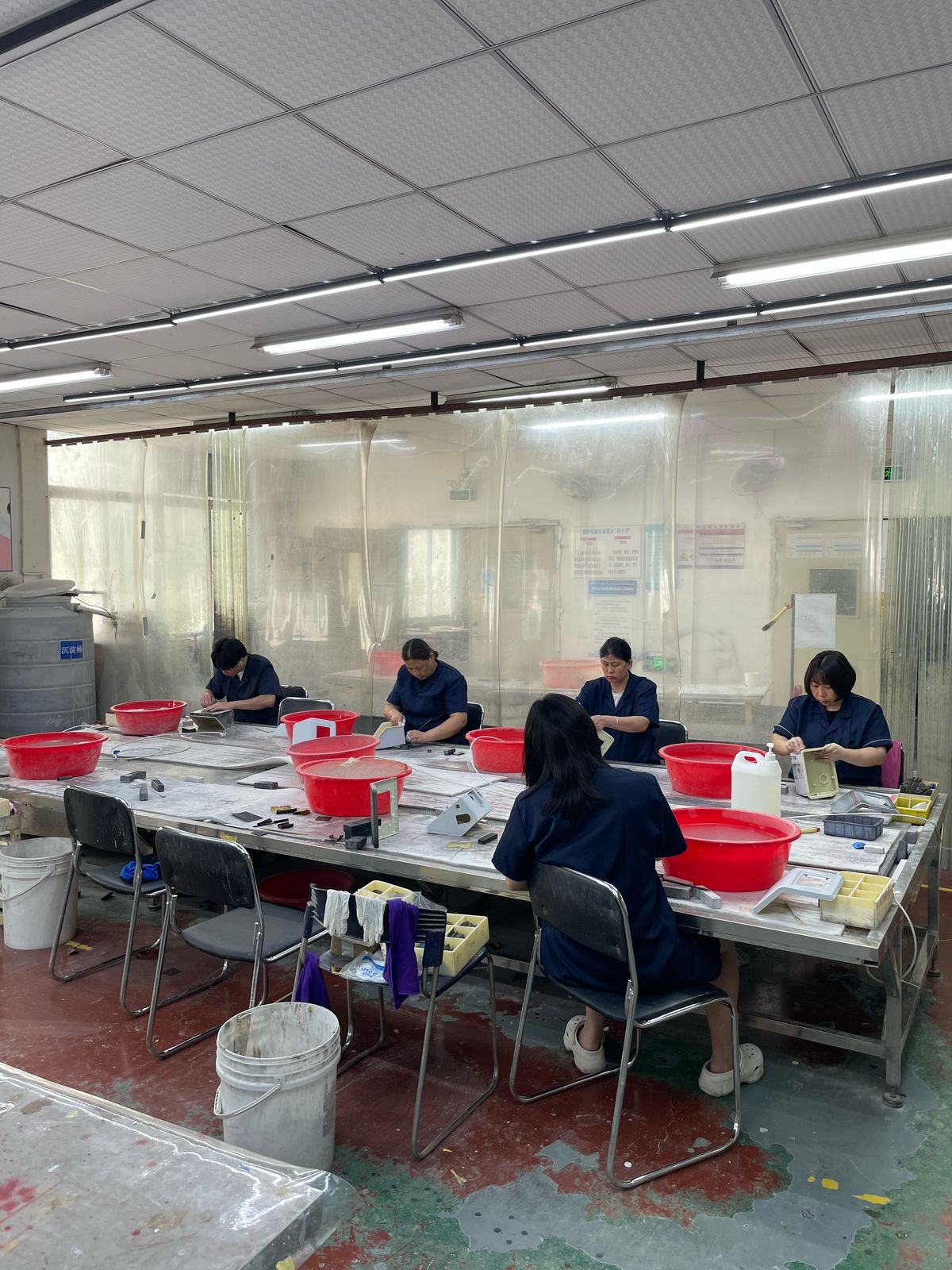
Depending on the project, the audit may also cover their general condition, maintenance, organization of production areas, and storage conditions for raw materials and finished goods.
Organization and quality control
The ability to manufacture a product is not enough. The factory must also be able to maintain consistent quality.
The audit therefore examines raw material receiving, in-process controls, handling of non-conforming products, final inspections, and traceability.
The goal is to assess the reliability of the factory's quality control system.
Certifications and documents
Administrative documents and certifications required for the project can be checked to verify their existence, validity, and correspondence with the company and site concerned. This step contributes to securing international purchases, especially when the product is subject to specific regulatory or technical requirements.
The documents examined depend on the product, destination market, and buyer requirements.
Working conditions and safety
Depending on the audit scope, working conditions may also be observed: safety of facilities, protective equipment, emergency exits, fire prevention, and organization of workspaces.
These elements are particularly important when the company has defined social requirements or specific criteria in its supplier policy.
What risks can the audit identify?
A Factory Verification Audit can reveal risks that are difficult to detect through remote exchanges, including:
production capacity lower than claimed;
insufficient or unsuitable equipment;
poorly structured quality control;
missing, expired, or non-applicable certifications for the site concerned;
lack of traceability;
working or safety conditions not meeting defined requirements;
use of subcontracting not clearly identified.
Detecting these elements before paying a deposit or starting production allows the company to request corrective actions, adjust certain order conditions, or reassess its collaboration with the supplier.
When should a Factory Verification Audit be conducted?
The audit is particularly recommended when a company considers working with a new supplier, especially when the relationship has been built primarily remotely.
It can also be conducted before an order representing a significant financial commitment, for a technical or customized product, when volumes are high, or when meeting deadlines is critical.
A supplier audit is also useful when the project imposes certifications or precise requirements regarding quality, safety, or production conditions.
Finally, a new evaluation may be considered when a factory changes location, when a significant increase in volumes is planned, or when recurring quality or delay issues arise.
Verify before committing
A competitive price, a good sample, and smooth business exchanges are important, but they alone do not allow assessing a factory's actual capacity to manage production.
The Factory Verification Audit provides a more concrete view of the supplier before making a significant commitment. It helps identify certain risks upstream and make a decision based on information verified on the ground.
It is thus part of a broader approach to securing international purchases, alongside supplier qualification, production monitoring, and quality controls.
Do you want to verify a factory before starting your production?
Diex International supports its clients in verifying and auditing factories directly on the ground.
The goal: to provide you with concrete information about your supplier, its production capabilities, its organization, and the points of vigilance identified before you commit.
Have you identified a factory and want to verify it before placing an order?
Contact Diex International to discuss your project.