When a company buys goods abroad, it is not enough to know the price of each product.
You also need to know who pays for transport, who organises the various logistics stages and at what point responsibility for the goods passes from the seller to the buyer.
This is precisely the role of Incoterms.
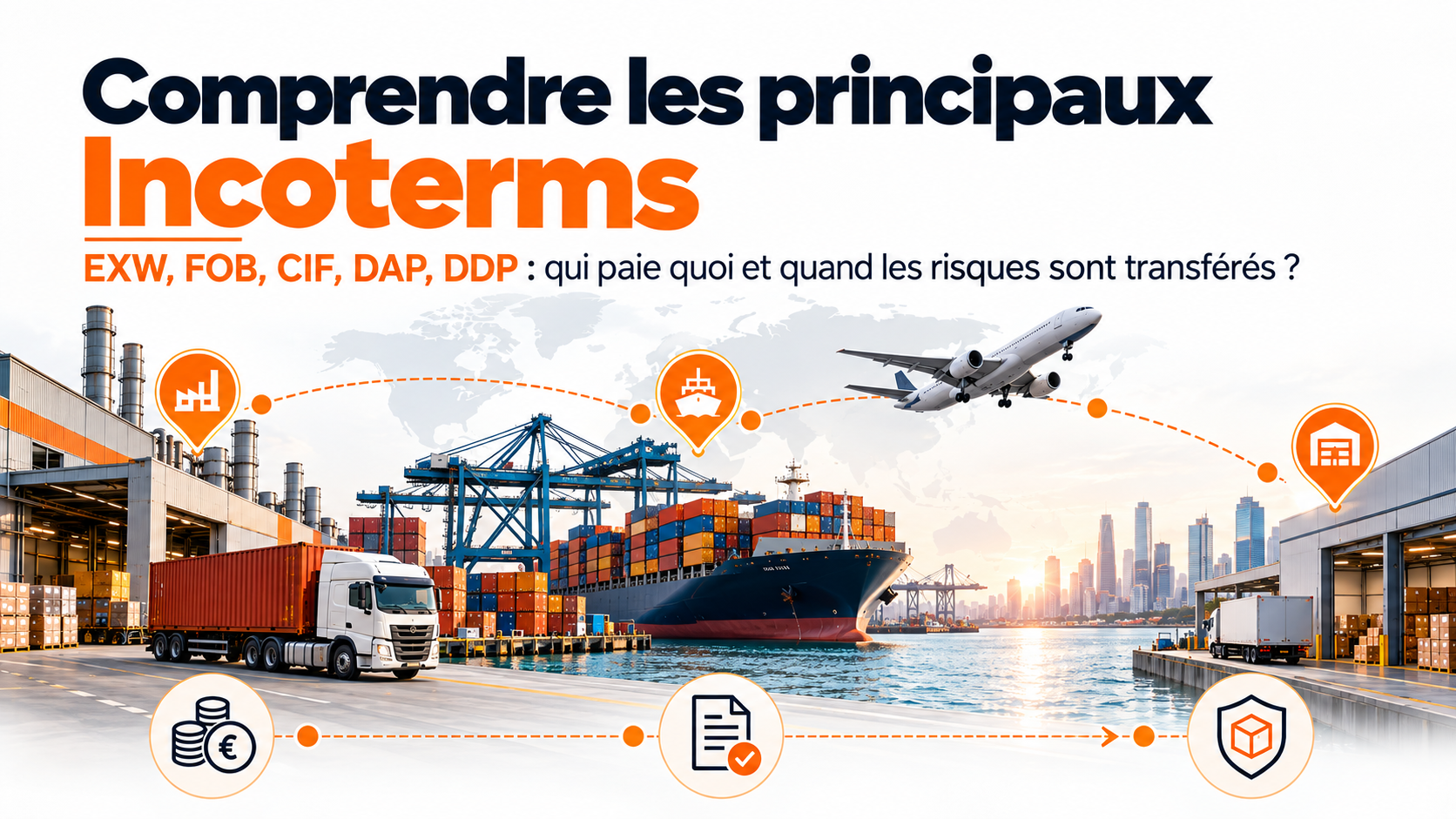
Terms such as EXW, FOB, CIF, DAP or DDP appear very often in supplier quotations. For an importer, understanding them well makes it easier to compare offers and avoid certain unpleasant surprises.
What is an Incoterm?
Incoterms are rules used in international trade to define how responsibilities are shared between the seller and the buyer.
They help you determine:
who organises transport;
who bears certain costs;
who carries out customs formalities;
when risk is transferred to the buyer.
However, an Incoterm does not set the product price, payment terms or transfer of ownership.
It therefore complements the commercial contract but does not replace it.
For a company expanding its purchases abroad, these rules are among the elements to consider in a broader international sourcing approach.
The main Incoterms to know
There are many Incoterms, but only some of them are frequently used in import operations.
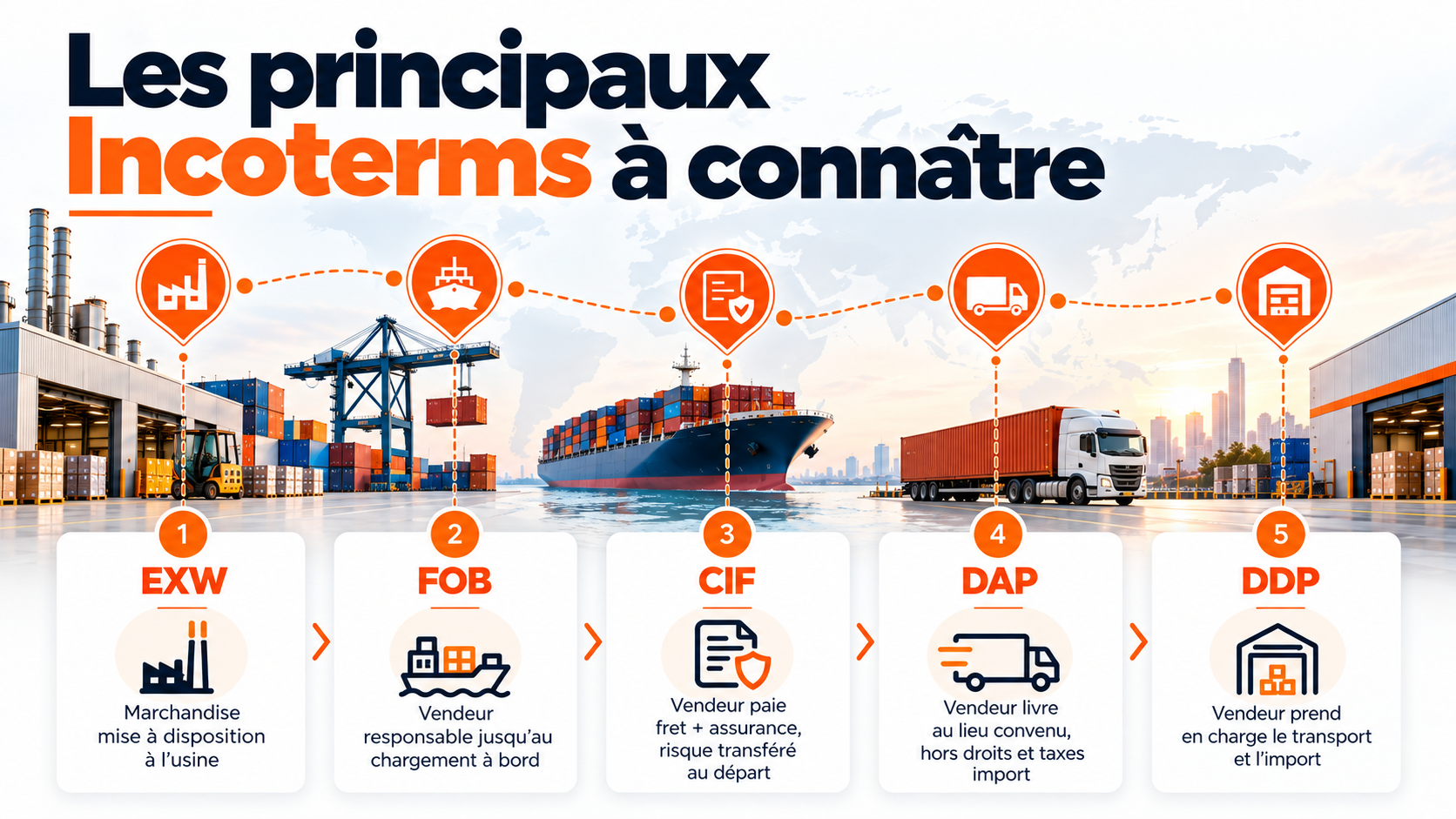
EXW – Ex Works
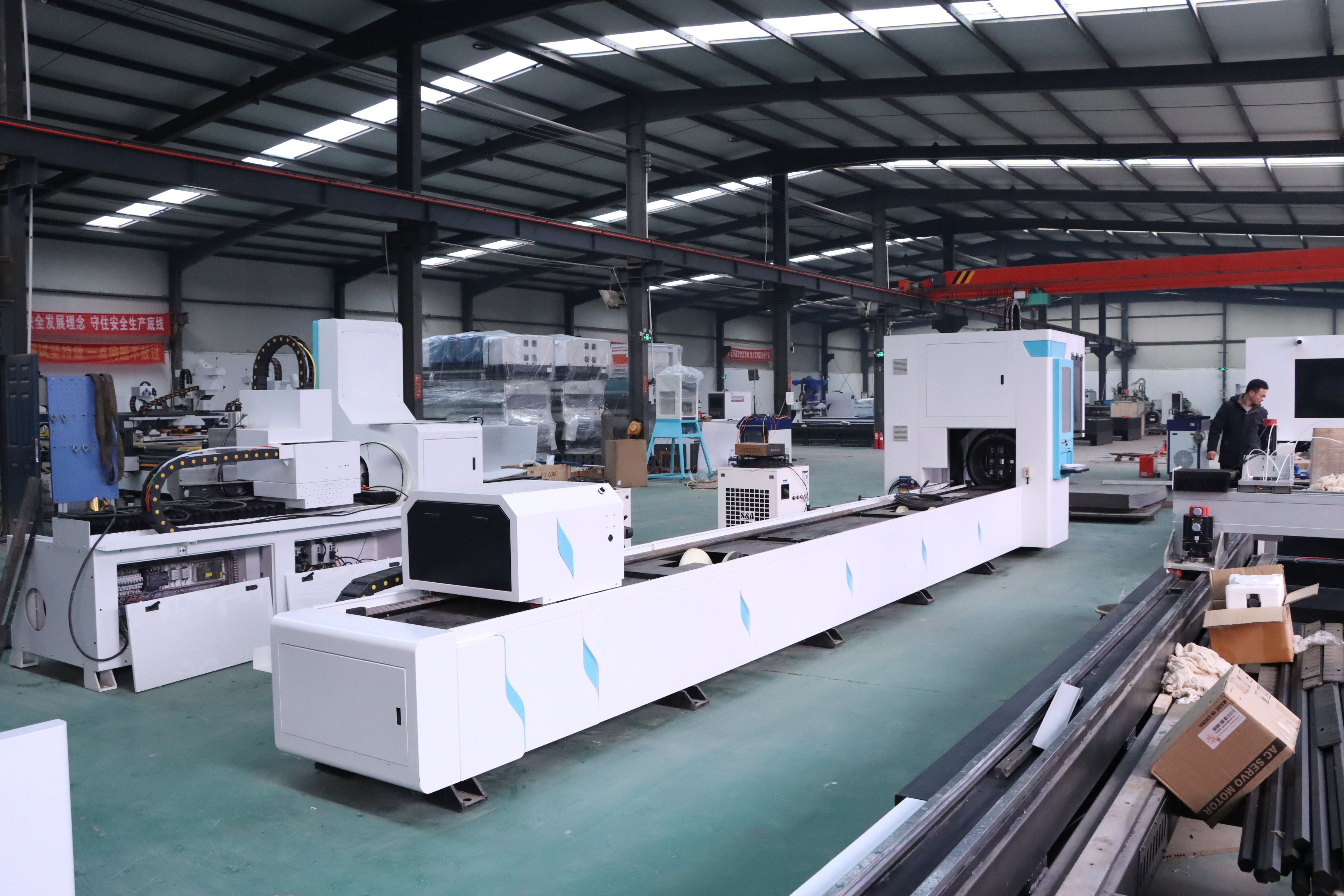
With EXW, the supplier simply makes the goods available at its factory or at a location agreed with the importer.
The buyer must then organise the logistics: collection, local transport, international transport, import formalities and final delivery.
EXW can give the importer more control, but it also requires more organisation. It is therefore particularly suited to large companies with local partners, or for consolidation operations.
FOB – Free On Board
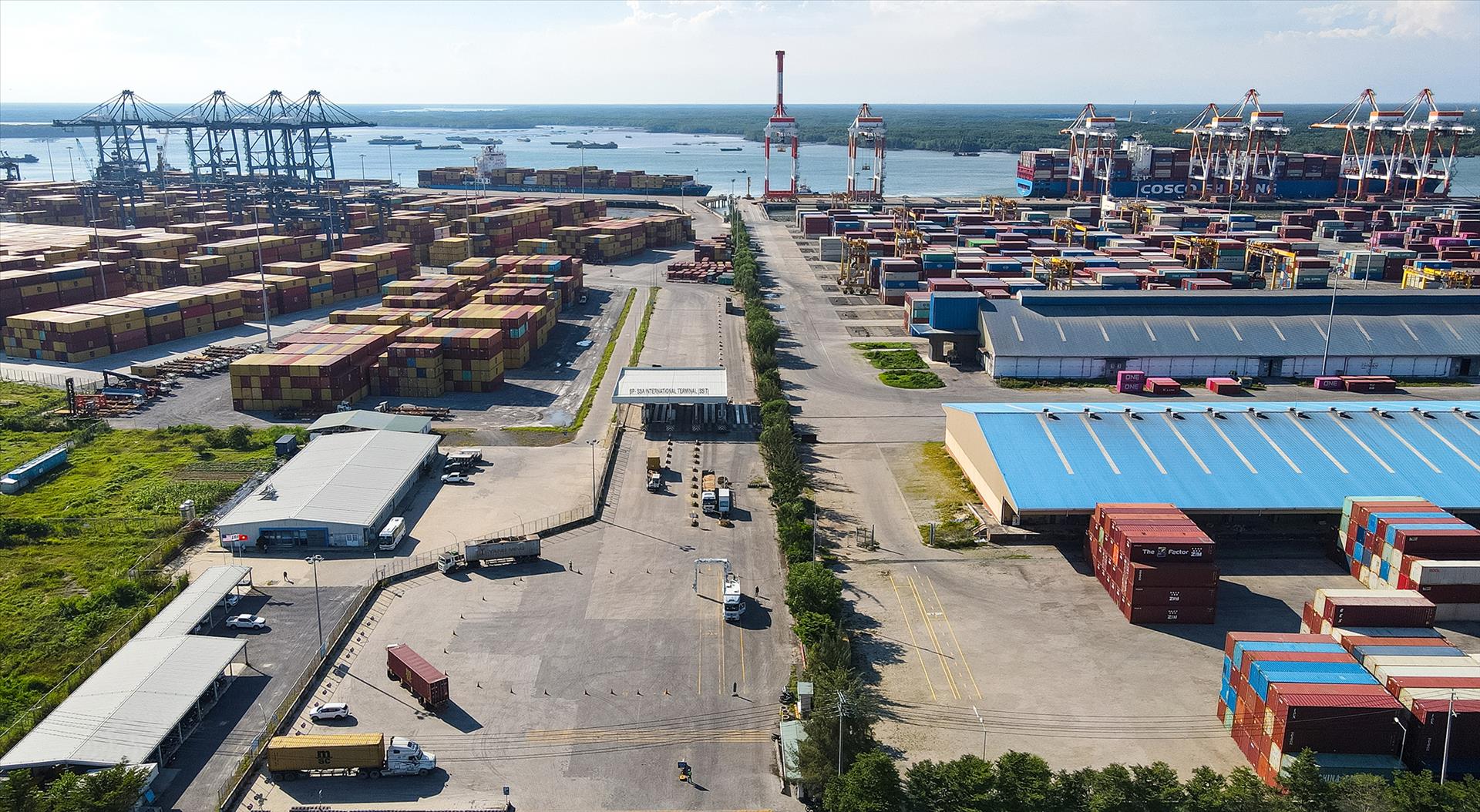
FOB is very common in sea freight.
The supplier is responsible for the goods until they are loaded on board the vessel at the agreed port of departure.
From that moment, risk is transferred to the buyer.
The importer then handles sea transport, operations at destination and final delivery.
For new importers, we recommend always asking suppliers for an FOB price. Do not be tempted by a price reduction that simply results from switching from FOB to EXW: the transport and handling costs borne by the importer can quickly wipe out that difference. If you need to discuss this or want to better understand the differences between these two Incoterms, contact us directly.
CIF – Cost, Insurance and Freight
With CIF, the supplier also pays for sea transport to the port of destination, as well as insurance on the value of the goods.
Be careful, however: the fact that the supplier pays for transport to destination does not mean that it bears the risk throughout the entire journey.
Risk is transferred to the buyer as soon as the goods are loaded on board the vessel at departure.
This is one of the important points to remember with Incoterms: who pays and who bears the risk are not always the same party at the same time.
DAP – Delivered at Place
With DAP, the seller organises transport to the agreed place of destination.
It bears the costs and risks up to that place.
The buyer remains responsible for import formalities as well as the corresponding duties and taxes.
This Incoterm can be interesting for a company that wants to limit transport management, even though this solution is often not offered by suppliers and can be more expensive.
DDP – Delivered Duty Paid
With DDP, the seller handles the entire logistics chain up to delivery at the customer's premises.
It manages transport and import formalities in particular.
For the buyer, this may seem simpler. However, you must ensure that the supplier truly masters the import rules of the destination country.
Who pays what?
This is often the first question an importer asks.
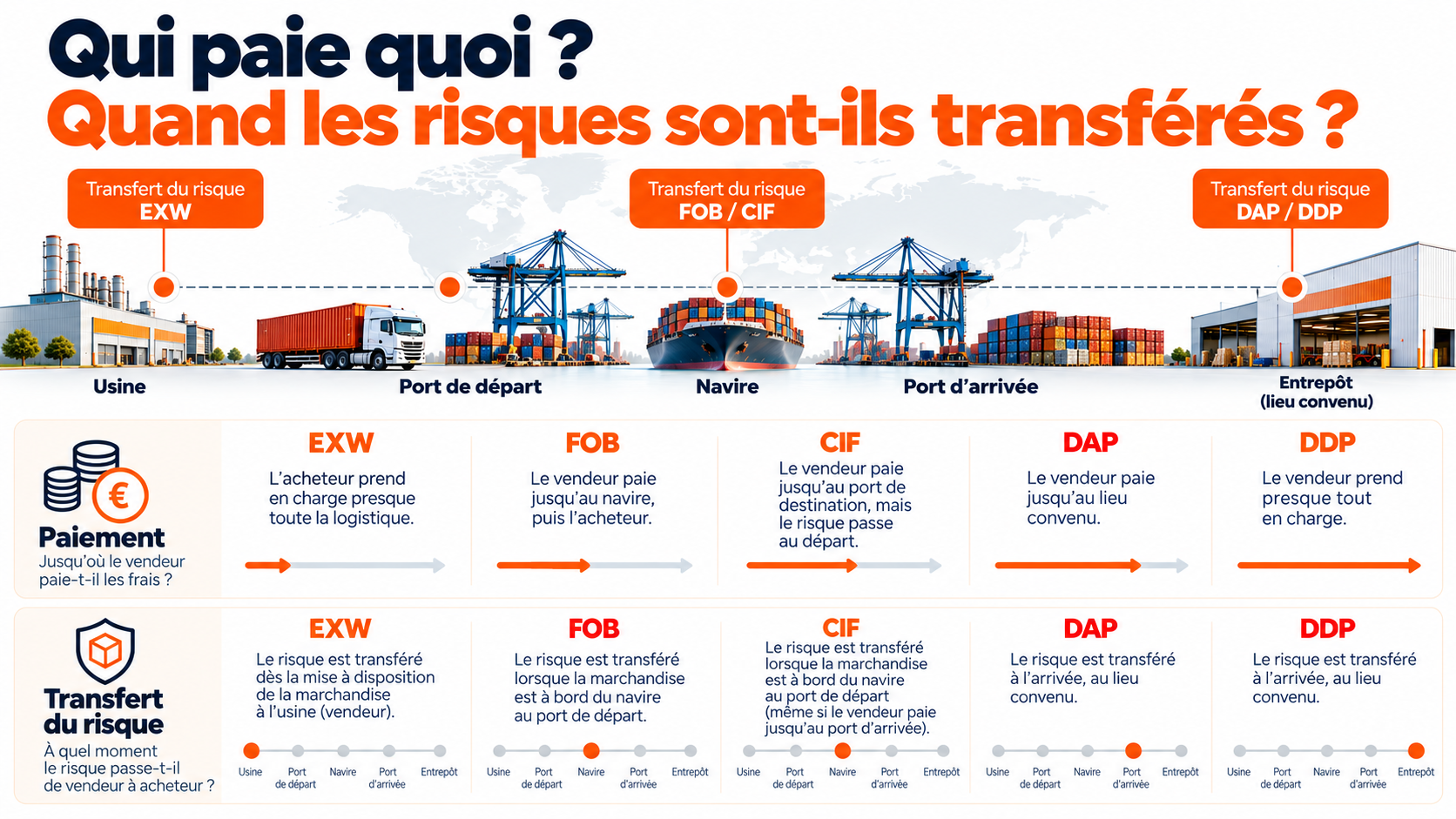
With EXW, the buyer bears a large part of the logistics costs.
With FOB, the supplier handles operations up to loading on the vessel, then the buyer takes over.
With CIF, the supplier pays for sea transport to the port of destination, but risk has already been transferred at departure.
With DAP, the supplier organises delivery to the agreed place, but import formalities remain the buyer's responsibility.
With DDP, the seller bears a much larger share of the operation.
It is therefore essential not to compare two quotations without looking at the Incoterm used.
An EXW price is always lower than a DAP price, and may appear advantageous for the buyer, but it does not include the same services.
For a more global view of the different stages between finding a supplier and delivery, the DIEX International Services page presents the main components of a sourcing and import project.
When is risk transferred?
Transfer of risk is the moment when the buyer becomes responsible for the consequences of loss or damage to the goods.
This moment varies depending on the Incoterm.
With FOB or CIF, risk is transferred when the goods are loaded on board the vessel.
With DAP, the seller remains responsible until the agreed place of destination.
This difference is important, especially when a problem occurs during transport.
Before accepting a quotation, you should therefore always check two things:
who pays for the various stages;
when risk is transferred.
Concrete example for an importer
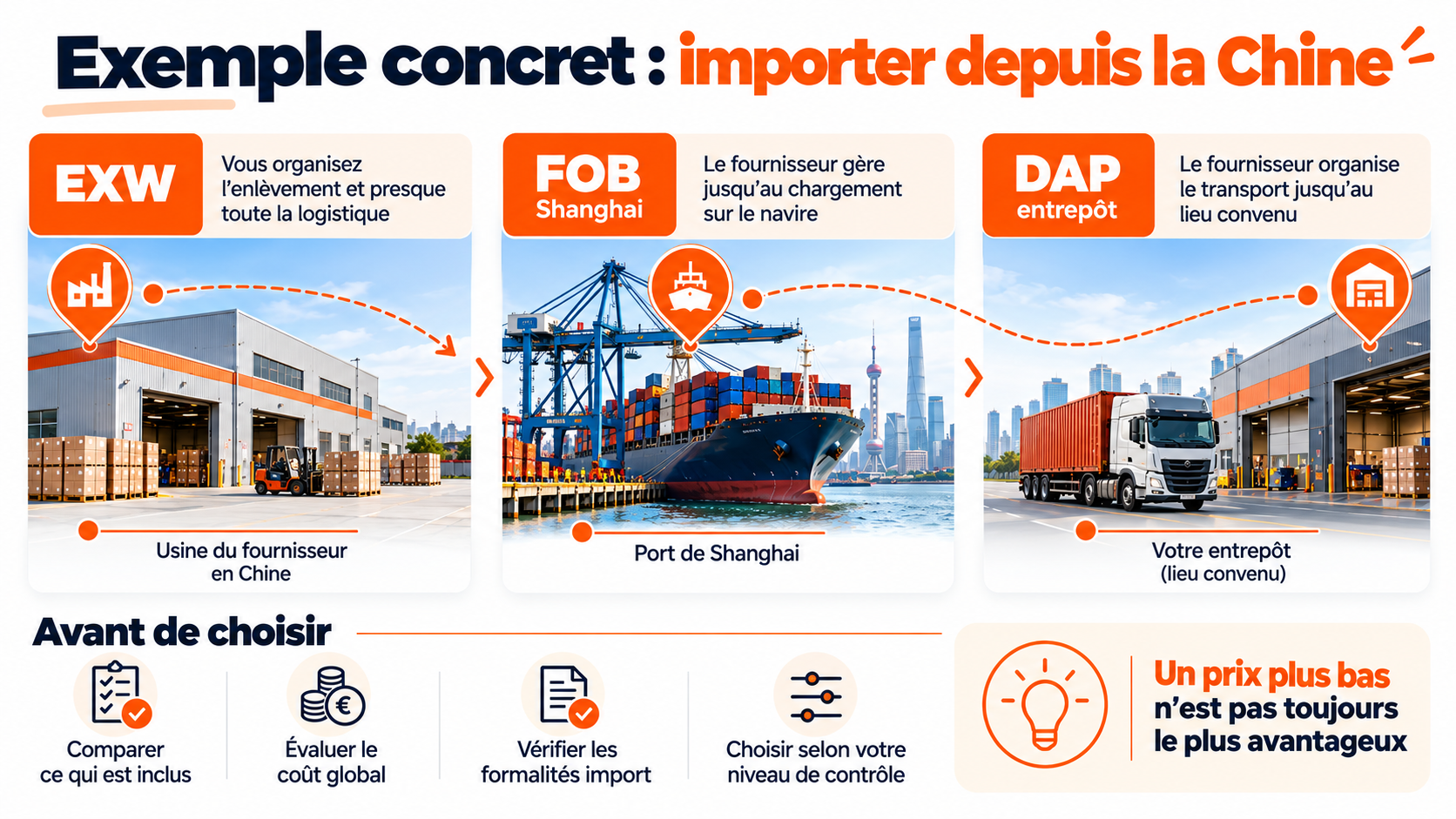
Let's take the case of a French company buying products from a supplier in China.
The supplier offers three different options.
With an EXW price, the French company must organise collection of the goods from the factory and all logistics to France.
With an FOB Shanghai price, the supplier handles the goods until they are loaded on the vessel in Shanghai. The importer then organises sea transport and delivery at destination.
With a DAP buyer's warehouse price, the supplier organises transport to the agreed place in France, while the importer remains responsible for import formalities.
These three prices therefore cannot be compared directly.
You must always look at what is actually included in the offer.
Advantages and limitations of the different Incoterms
Each Incoterm has advantages and limitations.
An Incoterm such as EXW leaves more control to the buyer, but also requires it to manage more stages.
FOB can offer a good balance for certain sea imports, because the supplier handles operations at departure and the buyer controls the main transport.
DAP further simplifies logistics for the buyer.
DDP may seem very convenient, but it sometimes offers less visibility on costs or the service providers used.
The right choice depends on the product, the country of origin, the mode of transport, volumes and the importer's experience.
How to choose the right Incoterm?
Before accepting the conditions proposed by a supplier, you need to look at the total cost of import.
The product price is only one element among others.
You must also take into account local transport, international freight, destination charges, duties and taxes, and final delivery.
This analysis should ideally be carried out from the very start of the project.
The DIEX International sourcing pre-study provides an initial view of supplier conditions, prices, minimum quantities and lead times to better assess the feasibility of a project.
As part of an international sourcing project, comparing suppliers under the same logistics conditions also helps avoid drawing wrong conclusions from quotations that do not cover the same services.
Key takeaways
Incoterms help clarify how costs, responsibilities and risks are shared between seller and buyer.
For an importer, the essential points are simple: understand what is included in the price, know who organises each transport stage and identify when risk is transferred.
Before validating a quotation, it is therefore important to check the Incoterm used and the place to which it applies.
This check allows you to compare offers more fairly and avoid certain unpleasant surprises during import.
Which Incoterm should you choose for importing from Asia?
There is no single Incoterm suitable for all situations.
The choice depends in particular on the level of control desired by the importer, its logistics experience, the mode of transport and the supplier's capabilities.
The most important thing is to compare the total cost of import, the responsibilities of each party and the moment of transfer of risk, rather than looking only at the price shown on the quotation.
DIEX International can support you in analysing your project