Alibaba is often one of the first tools a company uses when looking for a supplier in China. The platform makes it possible to quickly identify many players, discover products, and get initial indications on prices or minimum order quantities.
But finding an Alibaba supplier does not mean you have found the right industrial partner.
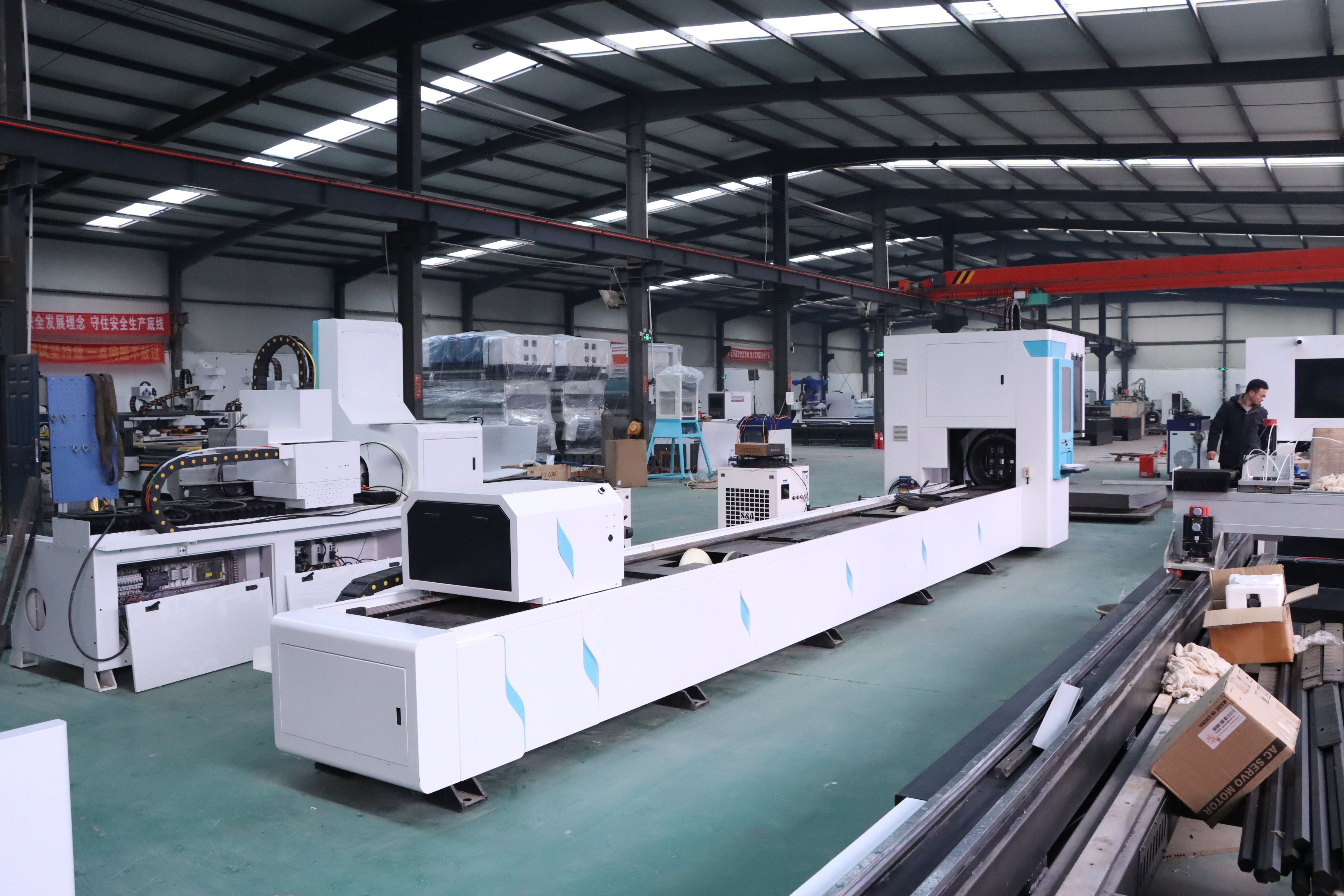
Behind an online profile, several elements remain to be verified: does the company actually manufacture the product? Does it have the right equipment? Can it meet the required quality level, volumes, and lead times?
For a company that wants to build reliable and lasting sourcing in China, Alibaba can therefore be a research tool, but it does not replace real sourcing and supplier qualification work.
Alibaba: a tool for identifying suppliers
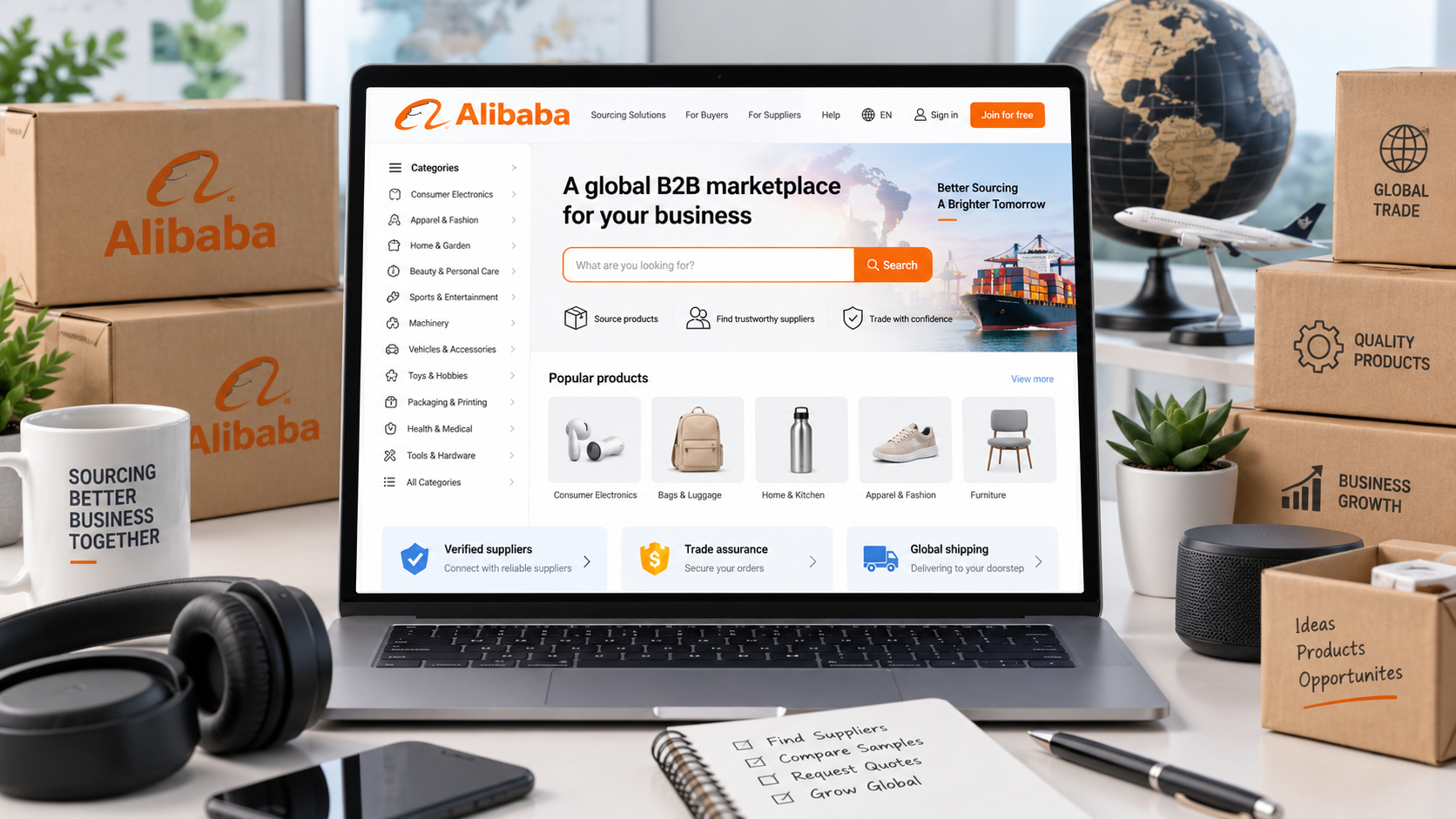
Alibaba is an international B2B marketplace that connects professional buyers with manufacturers, trading companies, wholesalers, and other suppliers.
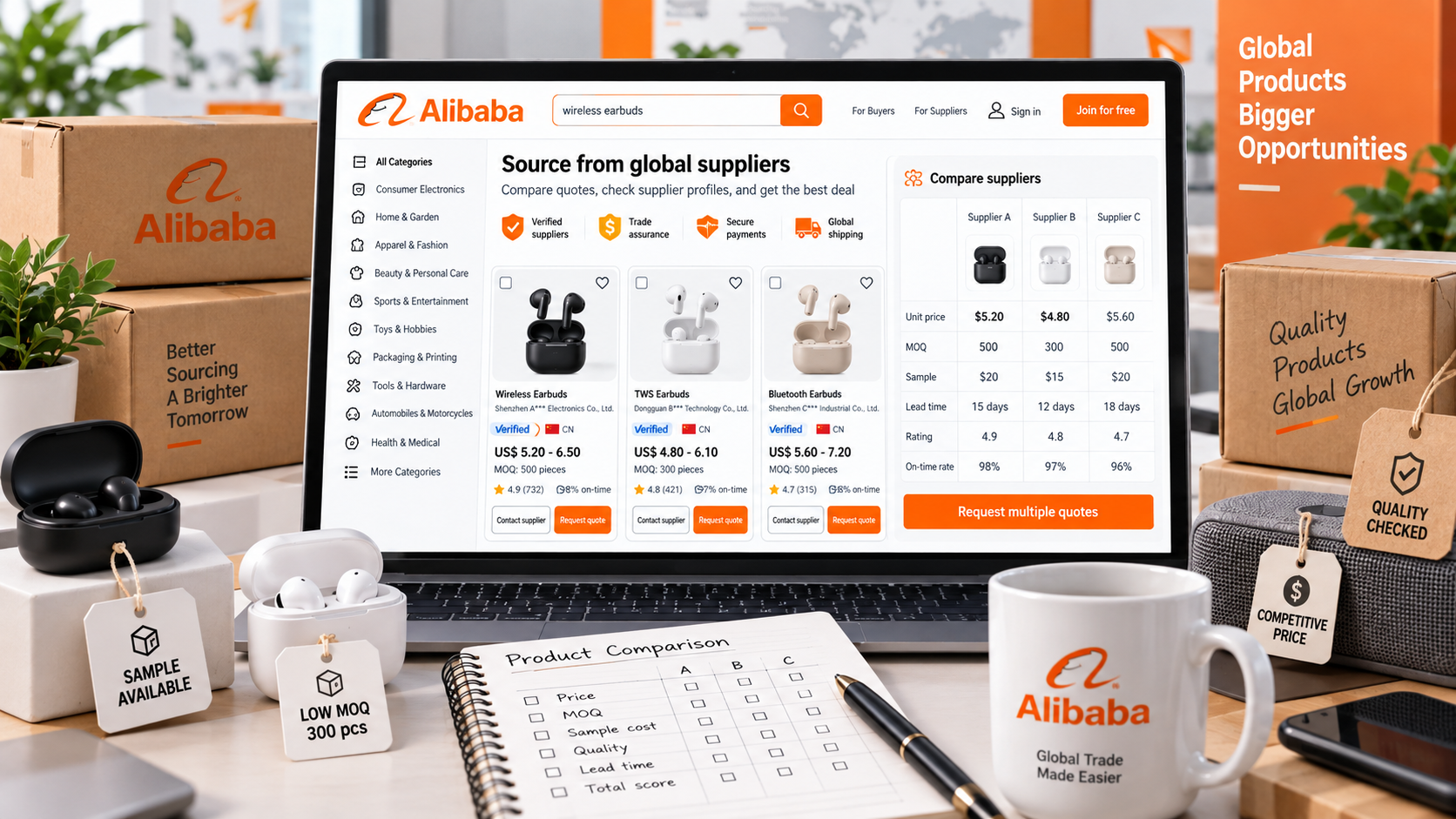
Its main advantage is giving quick access to a large number of offers. A company can thus get an initial view of available products, advertised price levels, MOQs, or customization possibilities.
The platform also offers various seller verification systems as well as Trade Assurance for certain transactions.
These elements can be useful during an initial search. However, on their own, they do not make it possible to determine whether a supplier is truly suited to the technical, commercial, and quality requirements of a project.
This is where an important distinction lies: identifying a supplier is not yet qualifying them.
What are the advantages of Alibaba?
For a company exploring a market, Alibaba mainly helps save time during the initial research phase.
The platform can notably be used to:
quickly identify several potential suppliers;
observe products that are already available;
get initial indications on prices and MOQs;
get in touch with different contacts;
compare several initial offers.
This visibility can be useful for understanding a market or starting to identify manufacturing possibilities.
But the information displayed should remain an initial working base. The real difficulty then lies in determining which suppliers actually have the necessary capabilities to carry out the project.
What are the limitations and risks?
The main limitation of a marketplace like Alibaba or MiC is the distance between the information available online and the supplier's industrial reality.
A catalog, photographs, displayed certifications, or a commercial presentation do not make it possible to know precisely what production resources are actually available.
A supplier may also offer a very broad range without manufacturing all the references presented itself.
Before ordering, several questions must therefore be asked: where will the product actually be manufactured? What equipment is available? Are some operations subcontracted? What is the production capacity? How is quality controlled?
Documents and certifications must also be verified when they are necessary: validity, company concerned, products covered, and correspondence with the project.
To go further, our article on the reliability of a Chinese factory before ordering details the main criteria to check before committing to a supplier.
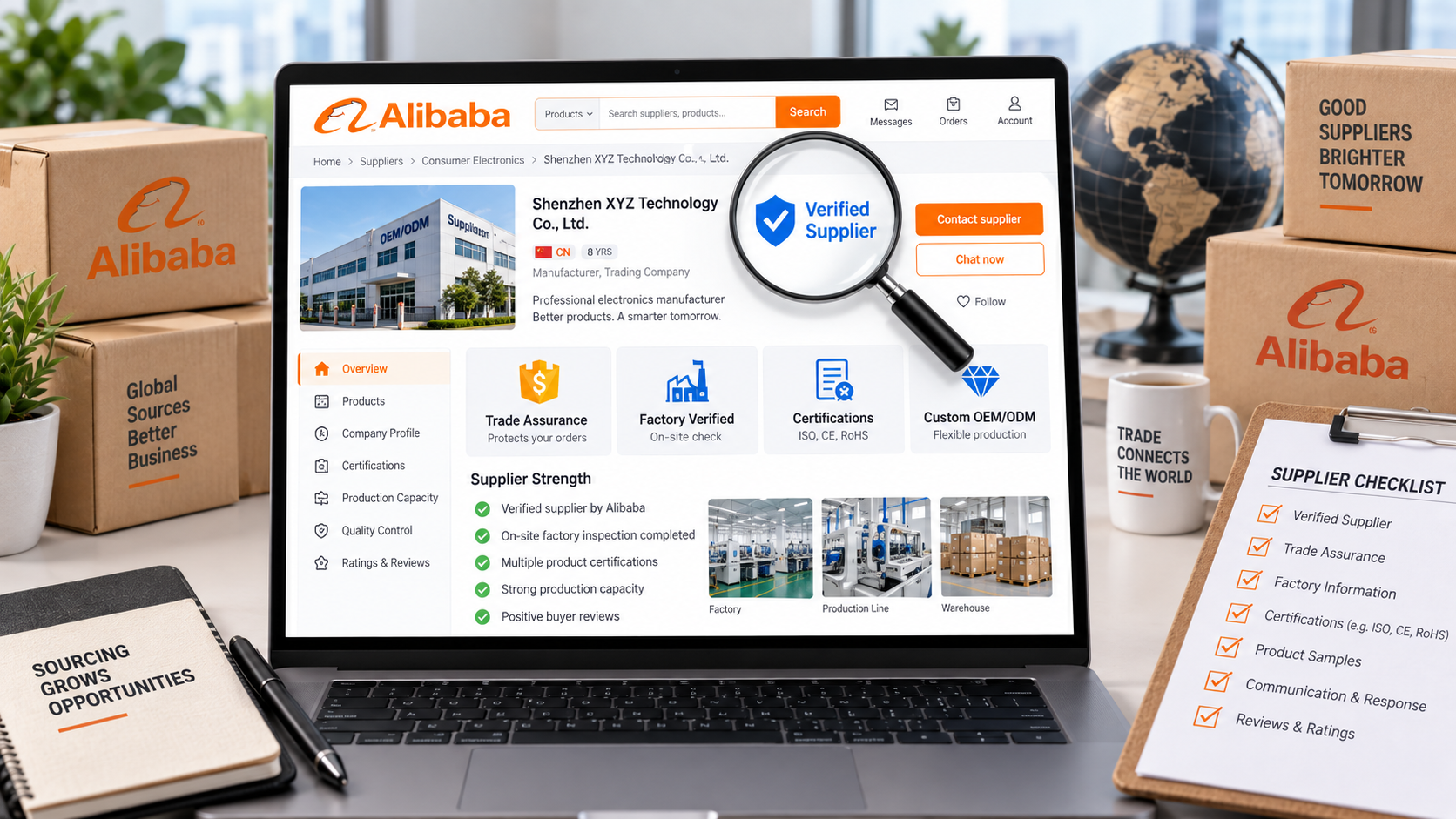
Manufacturer or trading company: why do you need to know?
Identifying the supplier's actual status is an important step.
A trading company sells products from one or more factories without necessarily manufacturing them itself. This way of operating is not systematically problematic: some intermediaries have good market knowledge and can provide a useful service.
On the other hand, when a company wants to develop a specific product or build a lasting industrial relationship, it must know who it is really working with.
It is then useful to verify the company's legal identity, the address of the production site, the categories actually manufactured, the equipment available, and the precision of technical answers.
For a project with significant stakes, an on-site verification can make it possible to compare the information provided with the reality of the factory.
Price and MOQ: beware of overly quick comparisons
Price is naturally important, but comparing only the amounts announced can be misleading.
Two visually similar products can present significant differences: raw materials, components, dimensions, finishes, packaging, or level of quality control.
The same applies to the MOQ, or minimum order quantity. It can change depending on materials, customization, colors, packaging, or the manufacturing process.
To compare several suppliers correctly, they must therefore work from a sufficiently precise specification, which is often complicated on Alibaba.
Why go further in supplier qualification?
An attractive price, fast communication, or a satisfactory sample are useful signals, but they only give a partial view of the supplier.
A satisfactory sample does not automatically guarantee that several hundred or thousand units will present the same level of quality.
The same vigilance applies to certifications. It is not enough to request a document: its validity must be verified and it must be ensured that it actually corresponds to the company, the site address, and the products concerned.
A more in-depth supplier qualification consists of cross-checking several criteria: legal identity, experience, customers, technical capabilities, equipment, production organization, quality system, certifications, possible subcontracting, lead times, and commercial conditions...
When the project represents a significant financial or technical commitment, a Factory Verification Audit can also make it possible to verify certain information directly at the production site.
Our article Why carry out a Factory Verification Audit before working with a factory? notably explains the main elements that can be checked during this process.
Alibaba or traditional sourcing: what is the difference?
This is probably the most important distinction.
Alibaba primarily facilitates supplier research and initial contact.
A traditional sourcing approach generally begins with a precise definition of the need and the specifications. It then consists of looking for manufacturers suited to the project, including outside marketplaces, and then comparing and qualifying them.
Depending on the project, this work can include:
analyzing the need;
identifying specialized manufacturers;
verifying their capabilities;
technical and commercial comparison of offers;
sample development;
negotiation;
factory audit;
production monitoring;
quality control before shipment.
The difference therefore does not lie only in the platform where the supplier is found, but in the level of qualification and securing carried out around the supplier relationship.
For a customized product, large volumes, technical constraints, or a relationship intended to last, this work makes it possible to obtain a much more complete view of potential partners.
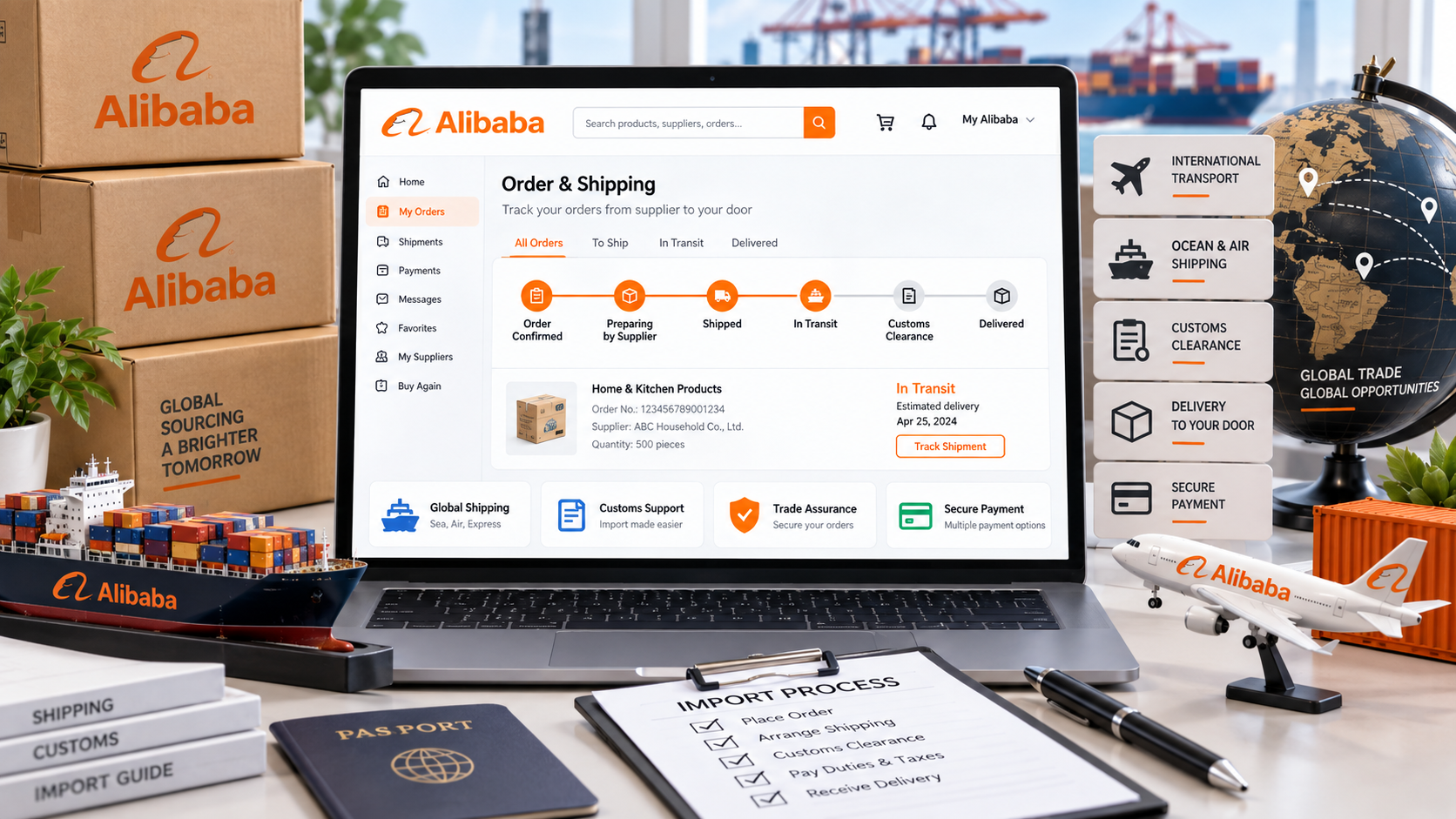
Finding a supplier is only the beginning of sourcing
Alibaba can be useful for identifying suppliers and carrying out initial prospecting. But this research represents only part of a sourcing in China approach.
For a company that wants to develop a product, commit significant volumes, or build a lasting relationship with a factory, the real value lies in supplier qualification, technical validation, negotiation, on-site visits, production monitoring, quality control, as well as all the actions that remain difficult to carry out effectively through a marketplace.
Diex International supports companies in their sourcing in Asia, from supplier research and qualification to production monitoring and quality control.
To evaluate a project before committing to more in-depth research, Diex International's sourcing pre-study provides an initial view of the supplier market, prices, MOQs, and lead times.
Frequently asked questions
Is Alibaba enough to find a reliable supplier in China?
Alibaba can help identify potential suppliers, but an online profile is not enough to assess all the capabilities of a factory. The company's identity, production resources, quality system, certifications, capacity, etc. to comply with the specifications must be verified according to the stakes of the project.
What is the difference between Alibaba and traditional sourcing?
Alibaba mainly facilitates research and connecting with suppliers. A more complete sourcing approach also includes defining the need, researching and qualifying manufacturers, comparing offers, samples, negotiation and, when necessary, audits or on-site visits, production monitoring, and quality control.
When should a factory audit be considered?
An audit can be relevant before working with a new supplier when volumes or investment are significant, when the product is technical or customized, or when certain capabilities, equipment, certifications, or quality procedures need to be verified.