The Canton Fair is one of the leading international events for companies looking to identify new products and meet suppliers in China.
Held twice a year in Guangzhou, it brings together exhibitors from many sectors: electronics, industrial equipment, furniture, decoration, consumer goods, textiles, toys, sporting goods and household products.
For a company engaged in sourcing in China, the fair can make it possible to meet many suppliers in just a few days. But given its size, attending without preparation can quickly lead to multiplying visits without really moving your project forward.
Objectives, suppliers to target, questions to ask, comparison criteria, samples: here is how to prepare effectively for your visit to the Canton Fair.
Why visit the Canton Fair?
The Canton Fair above all makes it possible to concentrate many supplier meetings into a relatively short period.
For a company looking for new partners, it can be valuable for:
discovering new products;
identifying several manufacturers for the same need;
observing products and their finishes directly;
comparing different solutions;
discussing prices, MOQs and lead times;
assessing customization possibilities;
creating initial contact with suppliers.
It is therefore a useful tool in a strategic sourcing in Asia approach.
But meeting a supplier at a booth does not necessarily mean they match your project. The fair is mainly a first step: the suppliers identified will then need to be compared, qualified and, when the project requires it, verified more thoroughly.
Define your objectives before visiting the Canton Fair
An effective visit starts before departure.
It is best to know precisely what you want to get out of the fair. The objective may be to look for a specific product, identify a new range, find an alternative to an existing supplier or study the customization possibilities of a product.
For an already defined need, preparing a specification sheet makes exchanges with exhibitors easier.
When the project is still at the reflection stage, a sourcing pre-study can also provide initial visibility on the market: price levels, MOQs, lead times, supplier conditions and the general feasibility of the project. This step helps to better frame needs before engaging in a more in-depth supplier search or preparing meetings at the Canton Fair.
It can specify in particular:
the technical characteristics of the product;
the desired materials;
the dimensions;
the expected quality level;
the quantities envisaged;
customization requirements;
packaging;
required certifications;
the destination market.
The clearer the need, the easier it becomes to quickly identify relevant suppliers and avoid discussions that do not match the project.
Choose the right phase of the Canton Fair
The Canton Fair is organized in three phases, with different product categories.
For the autumn 2026 edition, the 140th Canton Fair is held from October 15 to November 4, 2026:
Phase 1: October 15 to 19, mainly around advanced manufacturing, electronics, industrial equipment, vehicles, lighting and tools;
Phase 2: October 23 to 27, notably for housewares, decoration, gifts, materials and furniture;
Phase 3: October 31 to November 4, including textiles, clothing, footwear, luggage, toys, children's items, sports and various consumer goods.
Before booking your trip, it is therefore essential to check the categories corresponding to the relevant edition.
Attending the wrong phase can greatly limit the value of the trip.
Prepare your schedule and the suppliers to meet
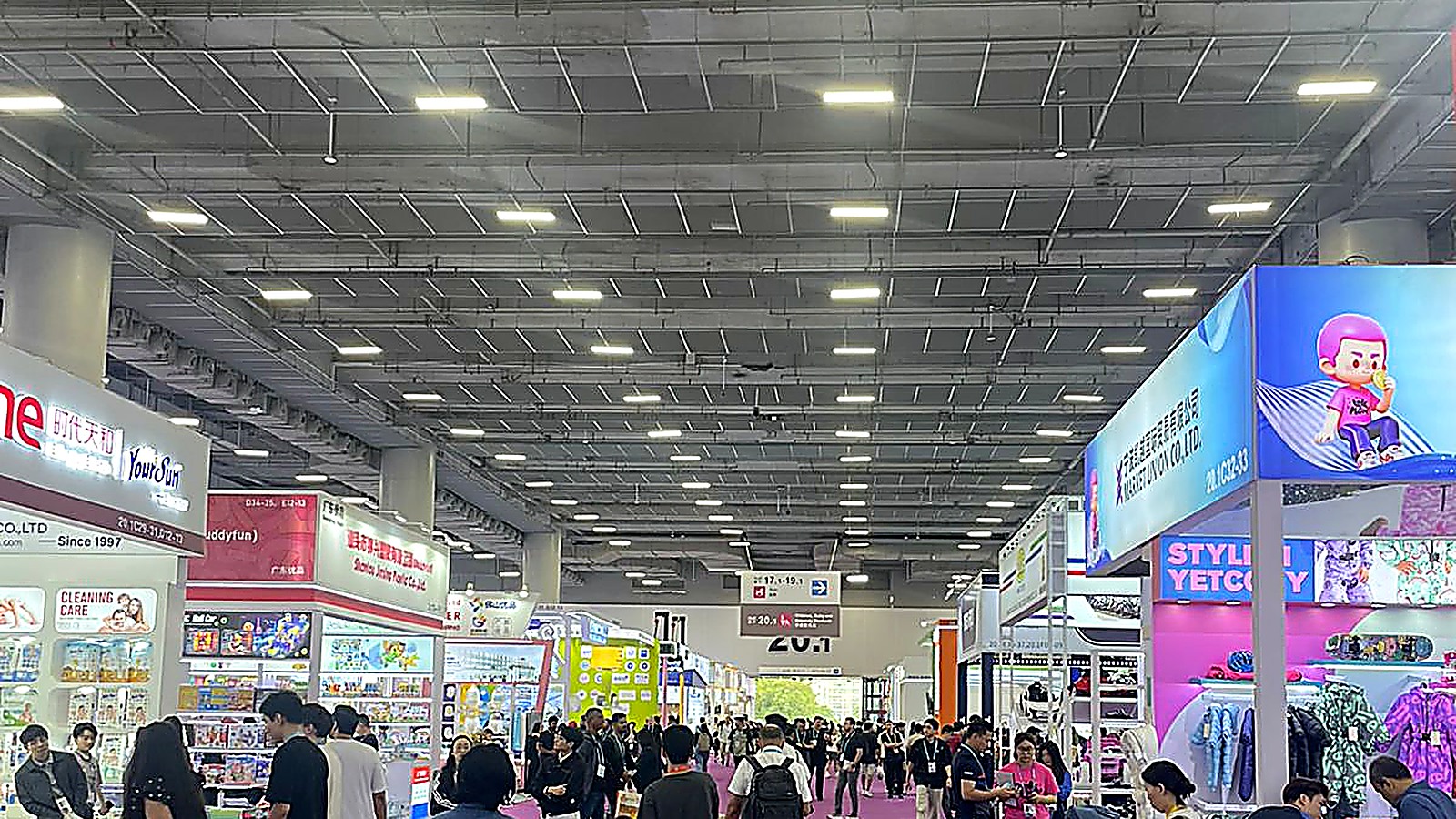
The size of the fair makes a completely improvised visit difficult.
It is best to carry out an initial supplier search before the trip and prepare a list of exhibitors to meet.
A simple method is to distinguish three levels:
priority suppliers, whom you absolutely must meet;
interesting suppliers, to see if the schedule allows;
booths to discover freely in order to identify new opportunities.
The official Canton Fair platform notably allows you to search for exhibitors and products and to prepare certain meetings in advance.
It is also best not to overload your schedule. Moving between halls takes time and some discussions with a supplier can last longer than expected.
Prepare a form to compare suppliers
After several meetings in the same day, information can quickly become mixed up.
Preparing an identical form for each supplier makes it possible to compare offers on common criteria.
It can include in particular:
the company name;
the contact details;
the factory location;
the products manufactured;
the indicative price;
the MOQ;
production lead times;
customization possibilities;
available certifications;
main export markets;
payment terms;
sample availability;
points to investigate further.
It can also be useful to take a photo of the booth, the products concerned and the business card.
The goal is not to leave with the maximum number of contacts, but with enough information to genuinely compare suppliers.
Prepare the right questions to ask
A meeting at the Canton Fair makes it possible to quickly obtain initial information about a supplier. But you still need to ask the right questions.
Before the fair, it is useful to prepare a list to make later comparison easier.
For example:
are you a manufacturer or a trading company?
where is your factory located?
what products do you mainly manufacture?
what are your MOQs?
what are your usual production lead times?
what customization possibilities do you offer?
which markets do you currently supply?
what certifications or test reports are available?
can you provide samples?
These answers help to better pre-qualify the suppliers met. However, they constitute a first level of information and will need to be verified more precisely before placing a significant order.
Do not choose a supplier on price alone
At a fair, it can be tempting to quickly compare the prices announced by several exhibitors.
But two prices are only truly comparable if the offers correspond to the same specifications.
A price difference can notably come from:
the materials used;
the quality of components;
the finishes;
the packaging;
the MOQ;
payment terms;
lead times;
certifications;
the delivery terms offered.
Price must therefore be placed in a broader comparison including quality, production capacities, communication, lead times and supplier reliability.
This is also the logic used in a structured approach to supplier identification and qualification: finding a manufacturer is only part of the work, you then need to verify that they genuinely match the project.
Organize samples properly
Samples are particularly useful for comparing the products encountered at the fair.
But accumulating products without keeping track of their origin quickly becomes problematic.
For each sample or interesting product, it is advisable to note:
the supplier name;
the reference;
the announced price;
the characteristics;
modification possibilities;
the contact details.
For bulky products, it may be better to request a later shipment rather than carrying the sample immediately.
The essential thing is to keep a clear link between the product, the information collected and the supplier concerned.
Do a debrief every evening
A few minutes of sorting at the end of each day can save a lot of time after the fair.
It is useful to review the suppliers met in order to:
sort the photos;
complete the forms;
note still-fresh impressions;
identify missing information;
define priority suppliers;
prepare possible meetings for the next day.
Waiting until the end of the stay to do this work increases the risk of confusing contacts or forgetting important information.
What to do after the Canton Fair?
The real selection work often begins after the fair.
The pre-selected suppliers must be contacted again to obtain more precise information: detailed quotes, samples, documents, technical specifications or commercial terms.
Depending on the project, the next steps may include:
detailed comparison of offers;
analysis of samples;
negotiation;
verification of certifications;
supplier qualification;
the factory audit.
Before a first significant order, a Factory Verification Audit can notably make it possible to verify the existence of the factory, its organization, its equipment and its production capacities.
This step is important because a supplier's presence at the Canton Fair is not, in itself, a guarantee of its real capabilities.
Mistakes to avoid at the Canton Fair
A few mistakes can greatly reduce the effectiveness of a visit:
attending without a precise objective;
trying to cover the entire fair;
accumulating contacts without taking notes;
comparing only prices;
communicating different specification sheets to suppliers;
selecting a partner too quickly;
placing a significant order directly without additional qualification.
The Canton Fair is above all a tool for identifying opportunities. It does not replace the verification steps necessary before entering into a business relationship.
A few practical tips for organizing your visit
Preparing the trip also counts toward the effectiveness of the visit.
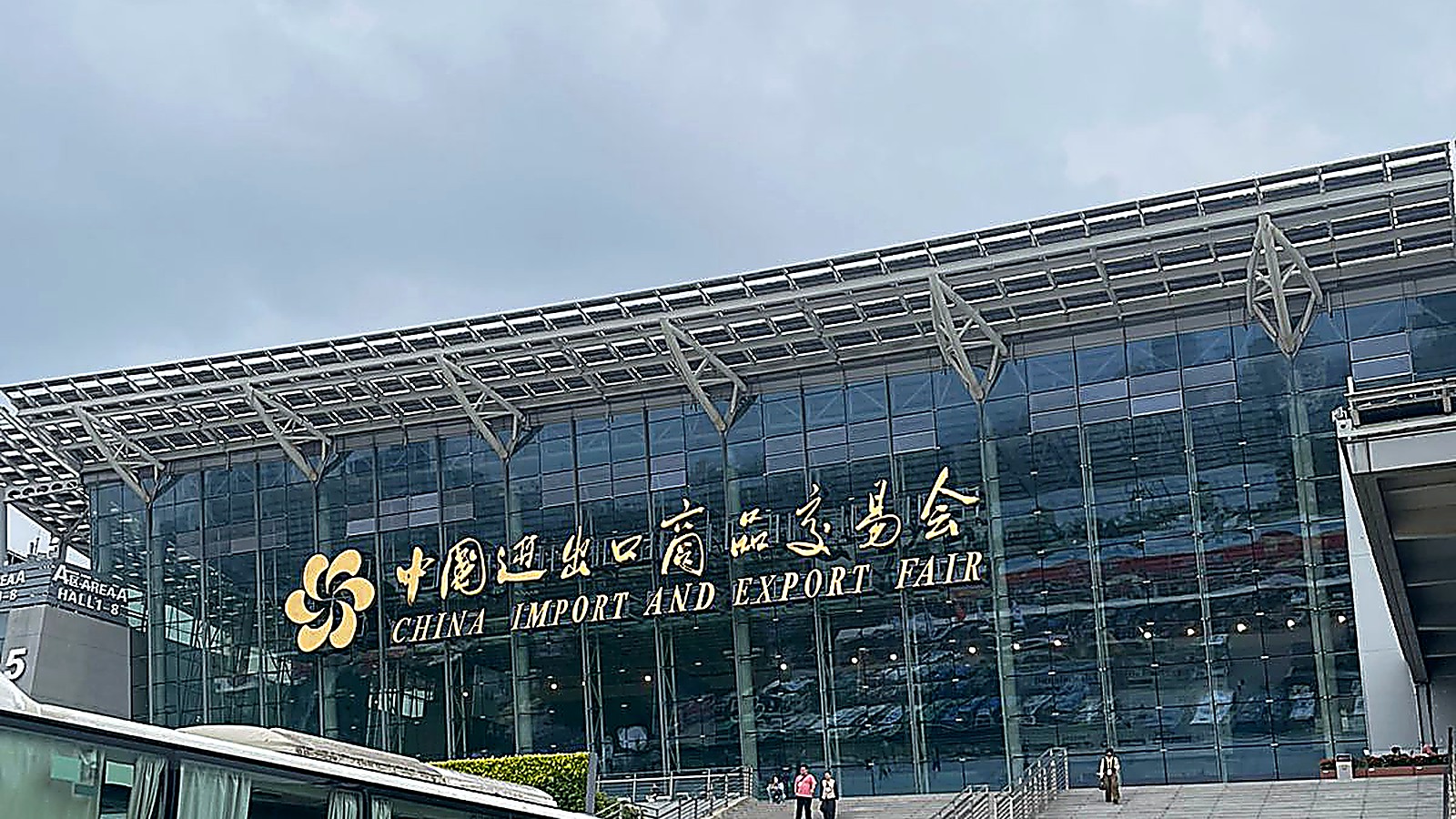
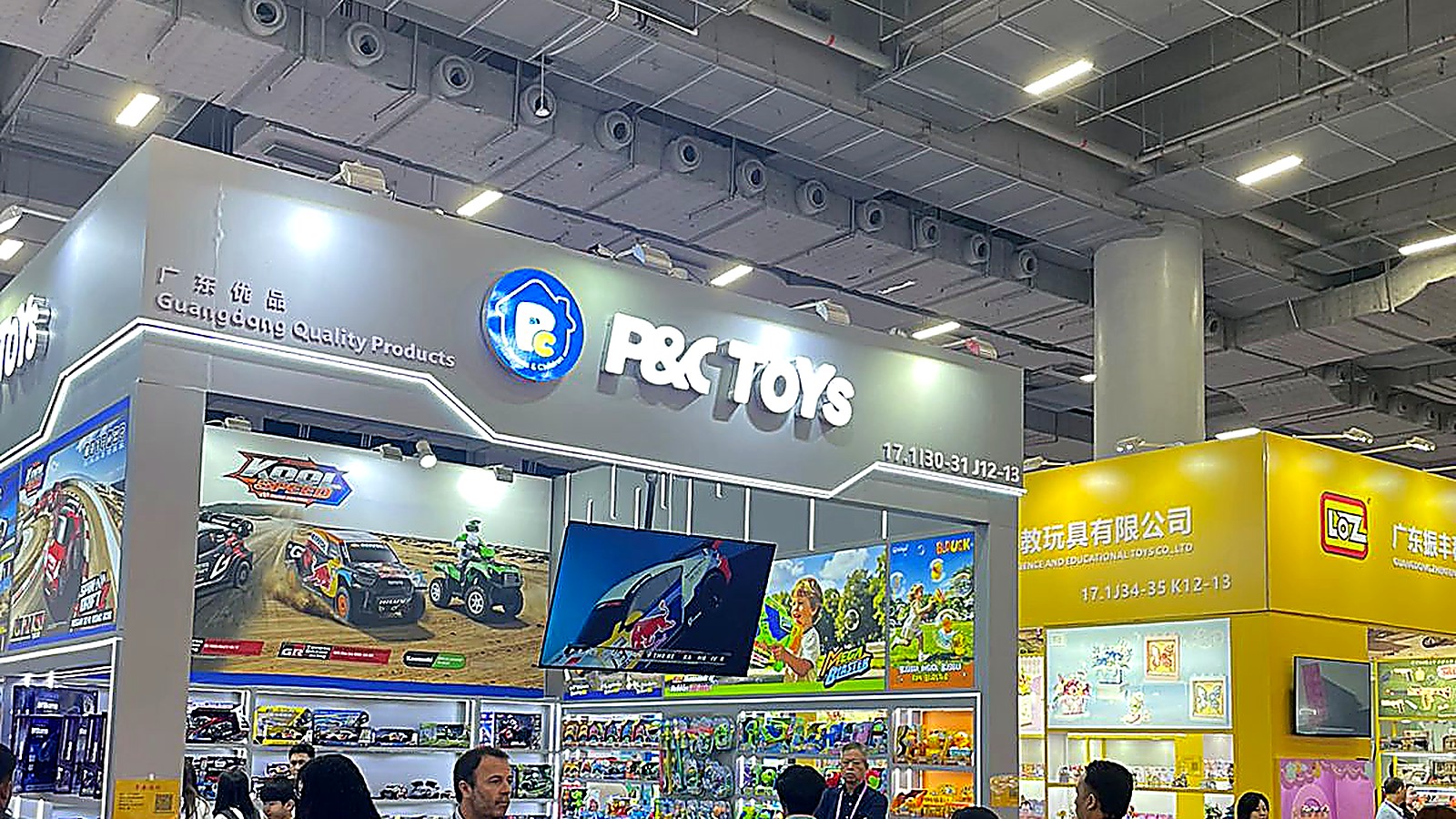
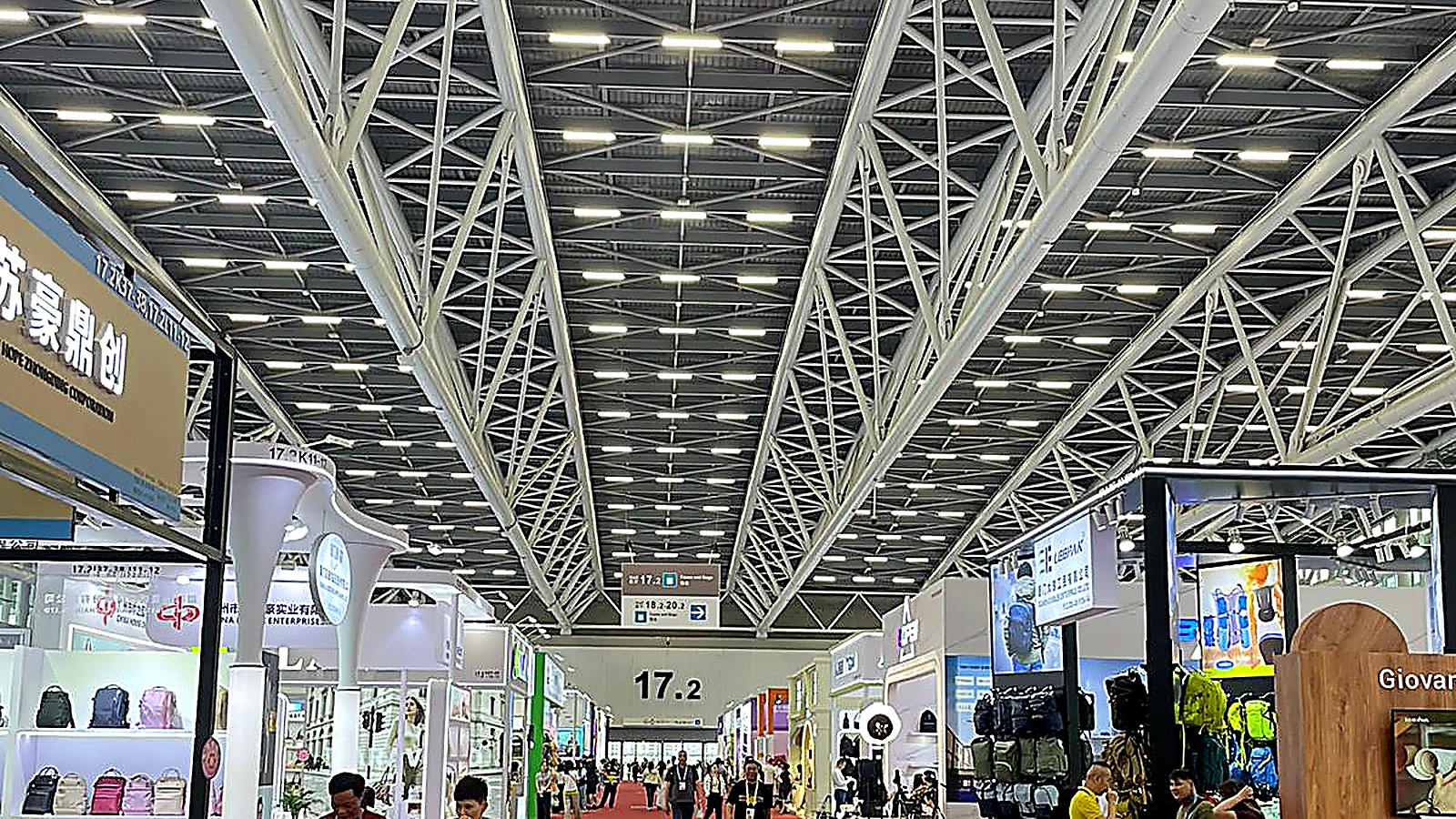
The Canton Fair takes place at the China Import and Export Fair Complex, in the Pazhou district of Guangzhou.
During the fair period, it is best to book accommodation early enough and check transport options between the hotel and the exhibition complex. A hotel well served by the metro or with a shuttle can be more practical than an establishment chosen solely for its proximity to the fair.
A few simple precautions also make the days easier:
bring shoes suitable for walking;
allow for travel time between halls;
keep a power bank for your phone;
organize your documents, contacts and meetings before each day;
complete your registration and badge-related procedures in advance.
Good logistical organization above all makes it possible to devote more time to the suppliers and products that are genuinely interesting.
An effective Canton Fair is prepared before departure
The success of a visit to the Canton Fair is not measured by the number of business cards collected.
The goal is to leave with a selection of genuinely relevant suppliers, comparable information and a clearer vision of the next steps of the project.
Preparing your objectives, your specification sheet, your meetings and your comparison criteria makes it possible to turn a few days at the fair into a genuine international sourcing approach.
Are you preparing a visit to the Canton Fair or looking for new suppliers in Asia?
Diex International supports you at the Canton Fair. We help you define your objectives in advance, organize your visit and prepare meetings with suppliers.
Our local team supports you throughout the day to facilitate exchanges with manufacturers, understand offers and identify suppliers suited to your needs.
If you would like to attend the Canton Fair and be accompanied on site, contact us directly.
Frequently asked questions
Which phase of the Canton Fair should you choose?
The Canton Fair is organized in three phases, each dedicated to different product categories. Before booking your trip, it is therefore important to check which phase includes the products or suppliers you are looking for.
How do you choose a supplier met at the Canton Fair?
Price should not be the only criterion. It is also important to assess product quality, MOQs, lead times, customization capabilities, certifications, commercial terms and the supplier's real production capacities.
Should you verify a supplier after the Canton Fair?
Yes, especially before a first order. A supplier's presence at the fair does not guarantee its production capacities or the reliability of its organization. Depending on the project, a supplier qualification and a Factory Verification Audit can make it possible to verify the company and its factory in more detail.