A Chinese factory offers you a competitive price. Its catalog is professional, communication is fast, and it provides several certifications. Can you trust it? Not necessarily.
Before placing a first order, you must be able to answer an essential question: who is really behind the supplier you are negotiating with?
Verifying a Chinese factory is not simply about checking its profile on a B2B platform or asking for a few photos of the factory. You need to cross-check multiple pieces of information: legal identity, actual activity, production capacity, certifications, product quality, export experience, commercial terms...
This is the challenge of supplier qualification: transforming an identified supplier into a partner whose profile, capabilities, and risks have been truly evaluated.
Why verify a Chinese factory before ordering?
Price should never be the only criterion for supplier selection.
A particularly attractive offer can hide various problems: a trading company presented as a manufacturer, insufficient production capacity, unsuitable certifications, quality different from the sample, or difficulties meeting deadlines.
Conversely, a perfectly legitimate supplier may not be suitable for your project. A factory may specialize in small batches while you are looking for large-scale industrial production, or have excellent expertise in one product but not master the requirements of your market.
The right question is therefore not only: "Is this a real company?"
You also need to ask: "Is it really capable of producing what I need, at the quality, volume, and lead time expected?"
1. Verify the legal identity of the company
First step: verify that the company you are communicating with actually exists and that the information provided corresponds to an identifiable legal entity.
Ask for:
• the exact company name in Chinese;
• the business license;
• the unified social credit code;
• the official address;
• the name of the legal representative;
• the bank information used for payment.
China has the National Enterprise Credit Information Publicity System, an official platform for publishing company information. It allows you to verify the existence and certain registered information about a company.
This verification helps avoid a common first mistake: negotiating with a contact or a brand without knowing which company will actually be on the contract and receive the payment.
The name displayed on a B2B platform is therefore not enough.
2. Verify that it is indeed a Chinese manufacturer
A company can sell products without manufacturing them itself.
It is therefore important to distinguish three situations: the manufacturer, the trading company, and hybrid structures.
Ask your supplier:
• Where are the products manufactured?
• Which factory will actually produce your order?
• What equipment is used?
• What is the monthly production capacity?
• Does the factory work with subcontractors?
• Can you conduct a physical visit or a live video tour?
Factory photos and commercial videos are useful for a first overview, but they are not sufficient proof.
The goal is to verify the consistency between what the supplier claims, its actual activity, and the needs of your project.
This is particularly important when you are looking for a Chinese manufacturer for custom or volume production.
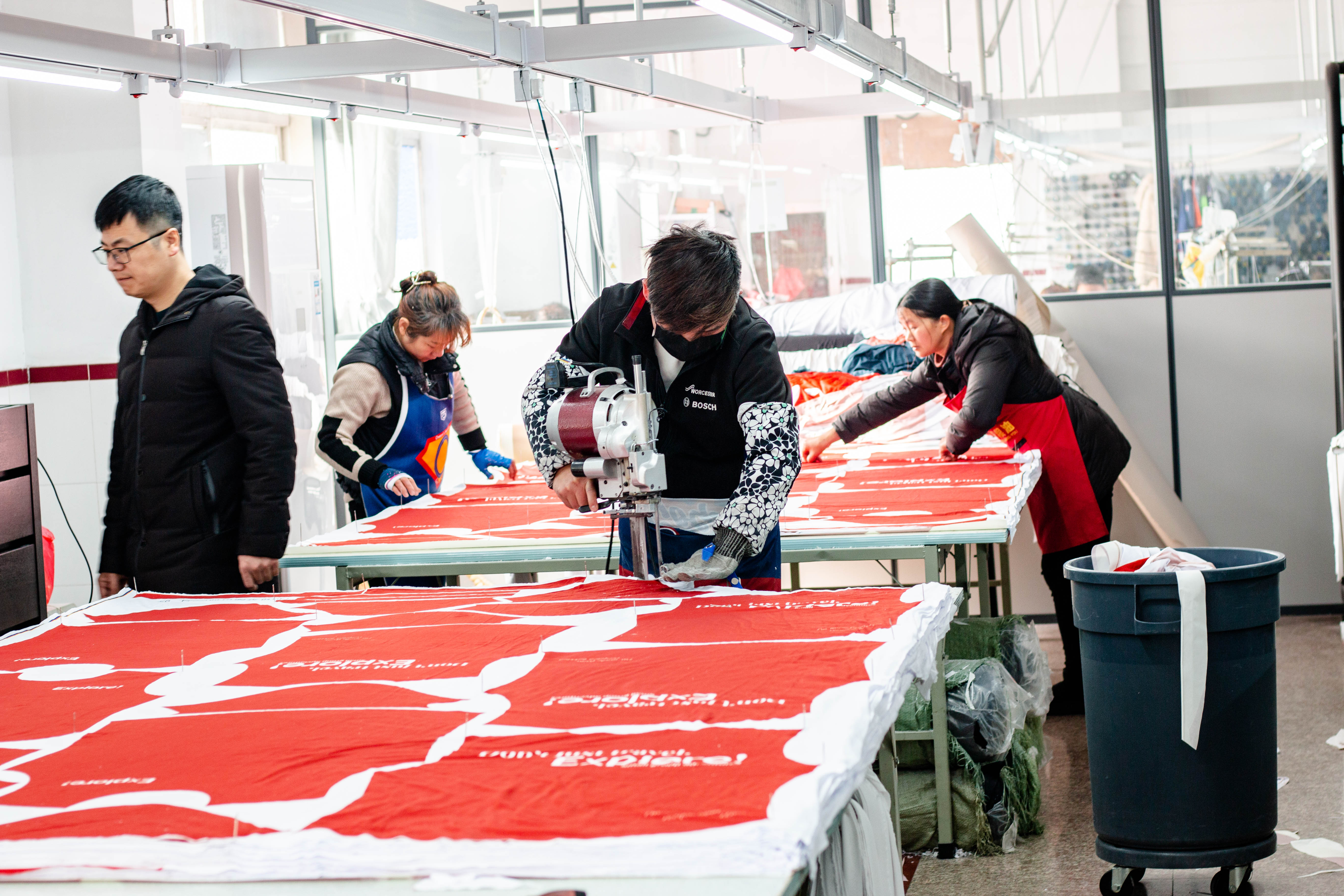
3. Assess the real production capacity
A factory can be serious yet not suitable for your order.
Before signing, you need to assess its ability to produce your reference in the required quantities and lead times.
Ask concrete questions:
• What is the MOQ or minimum order quantity?
• What volume can you produce each month?
• What is your usual lead time?
• What equipment is needed for manufacturing?
• What is your current production rate?
• What quality controls are performed during production?
• What capacity remains available for a new order?
This step helps identify inconsistencies between the sales pitch and industrial reality.
A factory that claims it can produce tens of thousands of pieces but lacks the corresponding equipment, teams, or organization should be thoroughly verified.
4. Verify certifications and their relevance
Receiving a certificate from a supplier is one thing. Verifying that it is authentic, valid, and suitable for your product is another.
Start by identifying the certifications actually required for your product and target market.
For ISO certifications, for example, IAF CertSearch allows you to search for certificates by company name or certificate number and to review their status, scope, certification body, and accreditation body.
You should also verify the correspondence between:
• the company name;
• the production site;
• the product or scope covered;
• the standard concerned;
• the validity period.
A certification should never be considered a general guarantee of quality. It is one verification element among others.
5. Test the product before launching a large production
Even after verifying the company, an essential question remains: does the product really match your specifications?
This is why sampling is an important step in the sourcing process. The sample allows you to evaluate:
• the materials used;
• the dimensions;
• the finishes;
• the functionalities;
• the packaging;
• compliance with the requested specifications.
For large production, it is also relevant to keep a clear reference of the approved sample so that you can compare the final production with what was approved.
A supplier can be perfectly reliable legally yet fail to meet the technical requirements of your project.
Supplier qualification and sampling are therefore complementary.
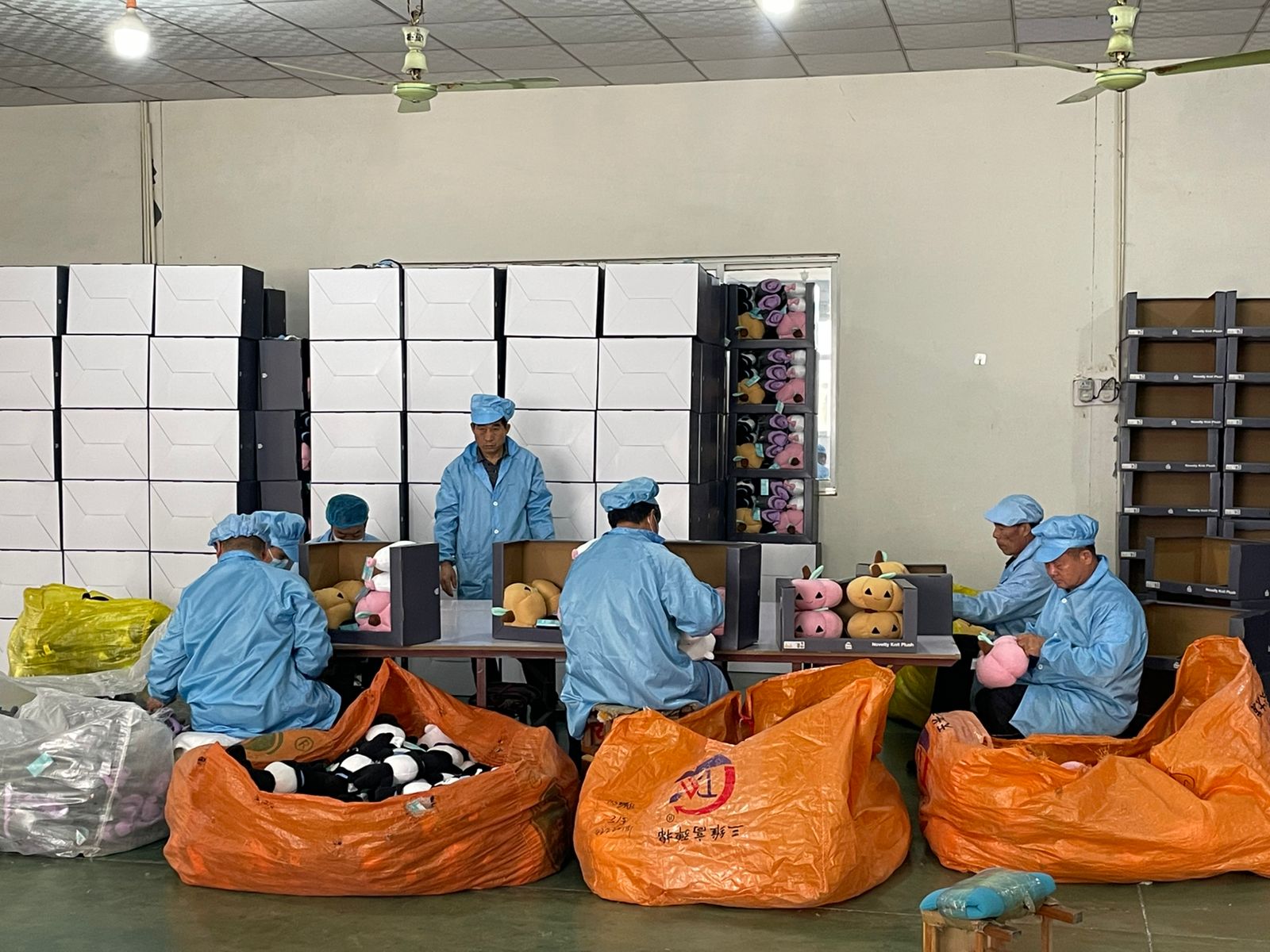
6. Go further with a factory audit
When financial or industrial stakes become significant, documents provided remotely are no longer always sufficient.
A factory audit allows you to directly verify the partner's capabilities: infrastructure, equipment, production organization, working methods, quality control, certifications, production conditions, and consistency of the information provided.
The goal is not simply to know whether the factory "exists".
A Factory Verification Audit helps determine whether the factory is truly capable of meeting your specifications and maintaining the expected quality level during production.
This is precisely the difference between a simple supplier search and a true qualification process.
7. Evaluate the supplier as a whole
A reliable Chinese supplier is not defined solely by its factory.
You should also observe how it works.
During exchanges, analyze in particular:
• its responsiveness;
• the precision of its answers;
• its ability to understand your specifications;
• its transparency about its capabilities;
• its export experience;
• its ability to provide coherent references or documents;
• its flexibility in solving problems;
• its consistency in the information provided.
A supplier that responds quickly but systematically avoids precise questions should draw your attention.
Conversely, a partner that accepts verifications, documents its answers, and communicates clearly about its limits generally presents a more reassuring profile.
8. Secure the terms before placing an order
Supplier verification does not stop once you have found a factory.
You also need to secure the commercial terms: price, MOQ, lead times, specifications, packaging, payment terms, and responsibilities of each party.
The payment beneficiary must correspond to the entity you are contracting with, or any difference must be clearly explained and verified before payment.
Last-minute changes concerning the bank account, price, or production conditions should also be treated with caution.
A good supplier qualification should ultimately help reduce unpleasant surprises before, but also during, production.
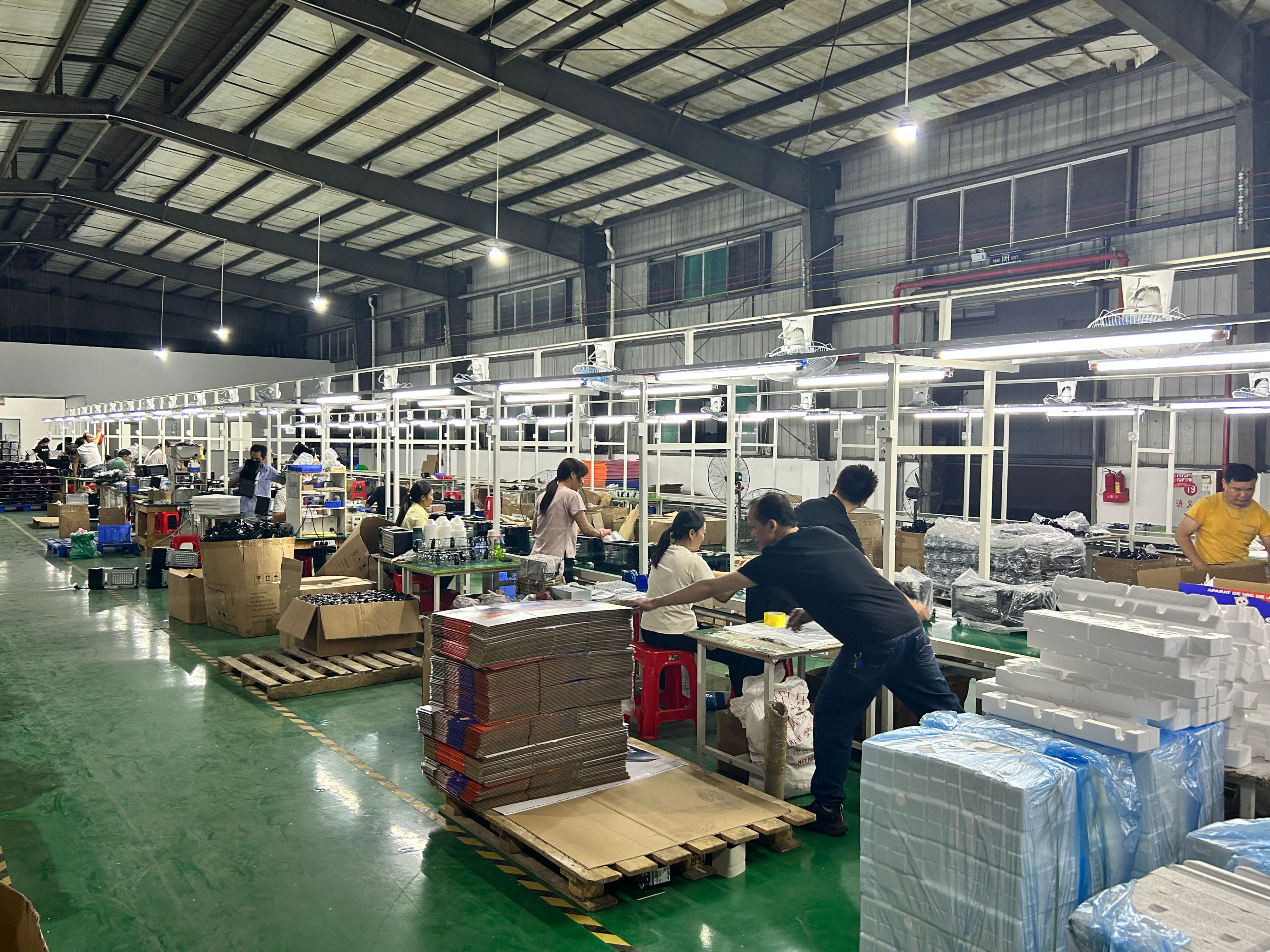
Why use a sourcing specialist?
Verifying a supplier yourself is possible for the first steps. But when volumes increase, the product is technical, or the financial stakes become significant, remote verification can quickly show its limits.
You then need to cross-check administrative information with on-the-ground reality, identify truly suitable manufacturers, compare several options, and assess their ability to precisely meet the specifications.
This is where field expertise becomes essential.
At Diex International, sourcing relies on a three-step approach: identify, qualify, and secure. The goal is not simply to find a factory, but to select a partner suited to the project and verify its capabilities before launching production.
Diex thus supports companies in supplier research and qualification, factory audits, production monitoring, and quality control.
This approach helps evaluate the essential criteria for a buyer: price, MOQ, lead times, quality, production capacity, and purchasing terms.
The checklist before placing an order
Before validating a Chinese supplier, make sure you have verified:
Its legal identity and business license
The correspondence between the company and the actual factory
Its production capacity
Its infrastructure, equipment, and organization
Its certifications and their validity
Samples and their compliance with specifications
Its export experience
Its commercial and contractual terms
Payment terms
Quality control and production monitoring procedures
None of these elements alone is sufficient. It is their combination that provides a truly reliable view of the supplier and limits risks before placing an order.
Have you identified a factory in China?
Finding a supplier is only the first step. You still need to verify that it truly matches your project and is capable of keeping its commitments.
With its field knowledge and network of suppliers in Asia, Diex International supports companies in their sourcing efforts, from partner research and qualification to audit, quality control, and production monitoring.
Would you first like to assess the feasibility of your project?
Diex's sourcing pre-study provides an initial view of available suppliers, prices, MOQs, and lead times before going further in the collaboration.
Identifying the right supplier is one thing. Ensuring it can keep its commitments is another.
In international sourcing, it is better to verify before ordering than to discover problems after production.